make preferable
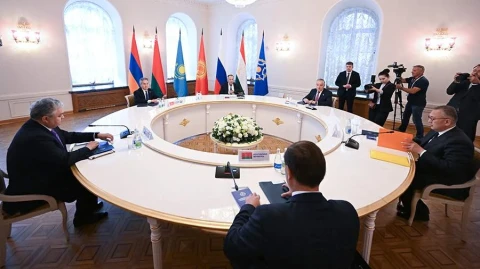
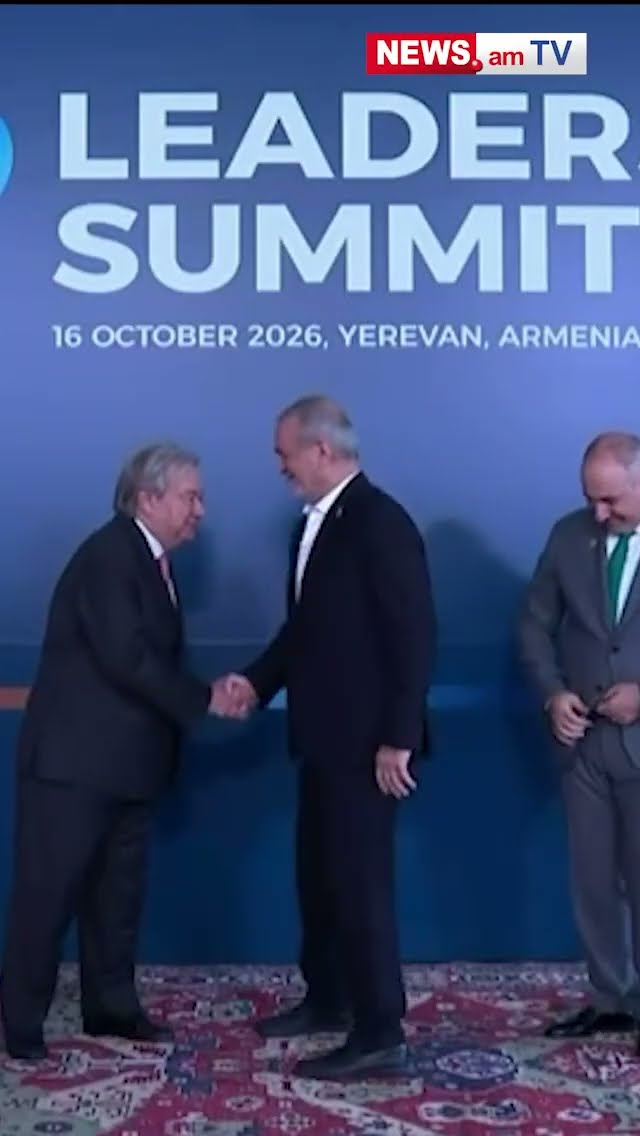
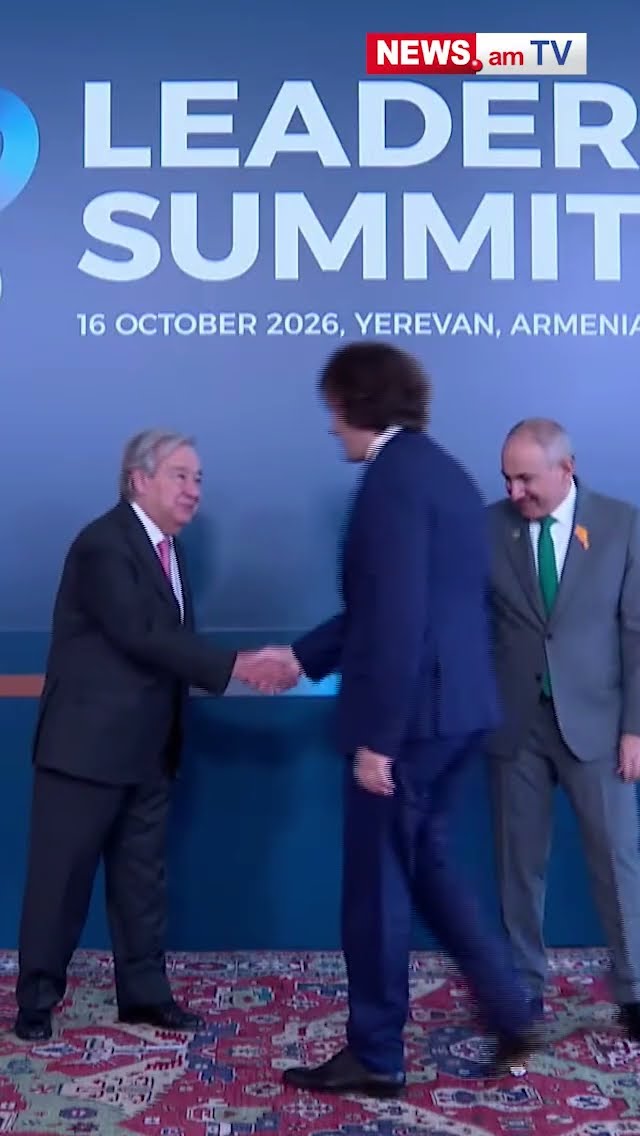
Canada will become the first country outside Europe to take part in a meeting of the European Political Community when Prime Minister Mark Carney joins the summit of the grouping, which includes more than 48 countries, on Monday in Armenia’s capital, Yerevan, The Guardian writes.
Carney said he intends to build a new network of trade and diplomatic alliances after losing access to US markets under Donald Trump.
The newspaper’s diplomatic editor, Patrick Wintour, emphasizes in his article that Mark Carney’s participation will also serve as a demonstration of Western support for Armenia in its effort to distance itself from Russia — at a time when the US approach to Moscow’s adversaries, including Ukraine, remains ambiguous.
Canadian diplomats, meanwhile, dismissed suggestions that Ottawa might be seeking EU membership.
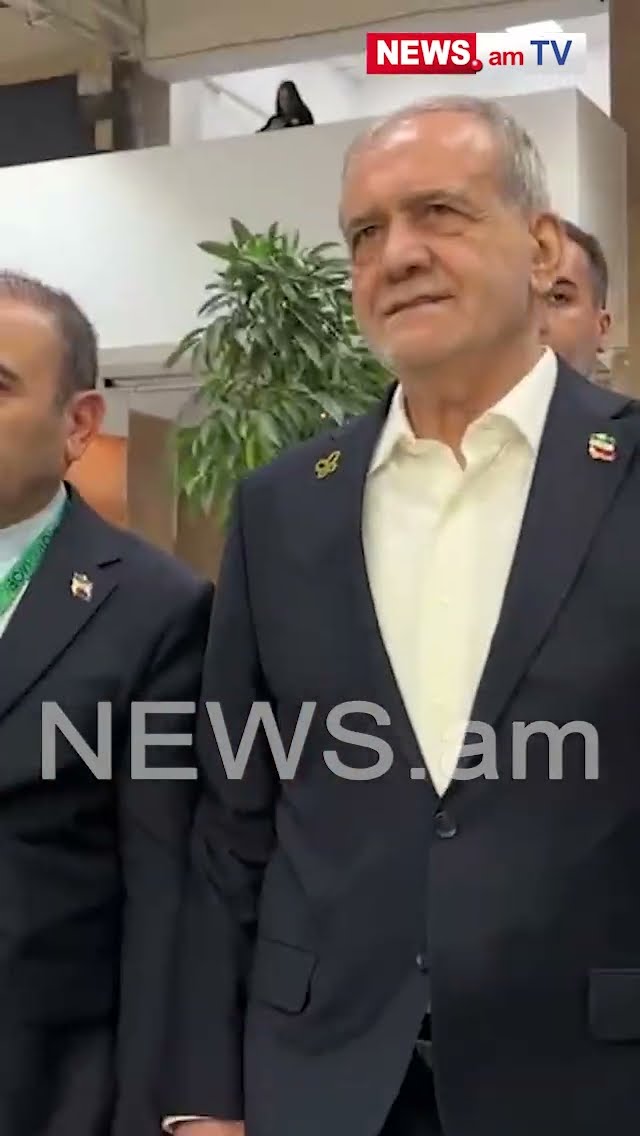
US President Donald Trump’s plans to withdraw more than 5,000 American troops from Germany over the next year, as well as the economic consequences of the protracted conflict between the US and Iran, will be among the key topics of discussion in Yerevan. Armenia borders Iran but, unlike neighboring Azerbaijan, has not reported Iranian missiles falling on its territory.
The choice of Yerevan as the venue for the European Political Community summit — an institution promoted by French President Emmanuel Macron and also including the United Kingdom — is seen as an opportunity for Armenia to demonstrate strengthening ties with Europe and the continuation of its gradual drift away from Russia, its former ally.
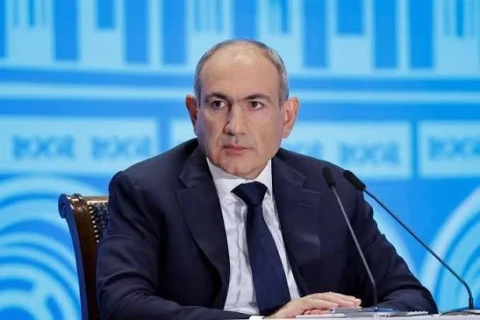
“Prime Minister Nikol Pashinyan is pursuing a policy of diversification that in practice is gradually bringing the country closer to the European political space. His Civil Contract party is preparing for parliamentary elections in June and is counting on a convincing victory to continue the course toward a peace agreement with Azerbaijan. At the same time, he faces three opposition parties that are more oriented toward Russia,” Wintour writes.
Thomas de Waal, a senior fellow at Carnegie Europe specializing in the Caucasus, noted that European leaders in Yerevan will have to strike a balance: “They are providing what looks like election support for Pashinyan, but at the same time they need to have a broader conversation about building a more resilient and less polarized Armenia.”
He stressed that Armenia is on the verge of a difficult but transformative peace agreement with Baku, which could lead to the opening of its borders with Azerbaijan and Turkey, closed since the 1990s. In addition, the country is getting a historic chance to reduce its dependence on Moscow as the war in Ukraine distracts and weakens Russia.
The day after the European Political Community summit in Yerevan, the first bilateral Armenia-EU summit is expected to take place. According to Armenian expectations, it could lead to additional funding for democracy and progress on visa liberalization. During a visit in March, EU Enlargement Commissioner Marta Kos said that “Armenia and the EU have never been this close.”
Armenia, a country of about 3 million people, signed a Comprehensive and Enhanced Partnership Agreement with the EU in 2017, and last year passed a law declaring its intention to apply for membership in the European Union, clearly setting its political course apart from that of neighboring Georgia.
At the same time, Armenia remains a member of the Russian-led Eurasian Economic Union and the Collective Security Treaty Organization, although in 2024 it suspended its participation in the latter.
In April, Vladimir Putin warned Yerevan that simultaneous membership in the EU and the CSTO is impossible.
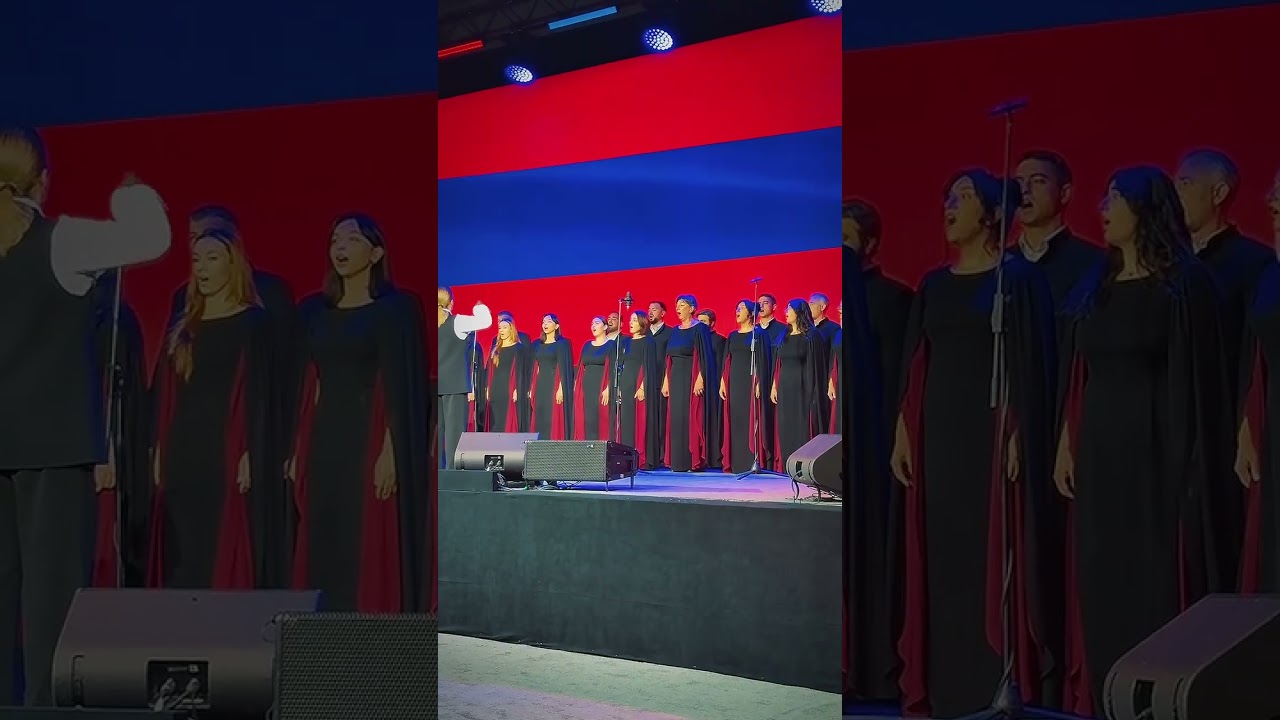
French President Emmanuel Macron is considered the main advocate of closer ties between Europe and Armenia, and his participation in the summit is being given a status comparable to a state visit. He also plans to attend a concert in Gyumri, Armenia’s second-largest city.
The European Political Community, created in 2022, brings together EU countries and a wide range of states outside the bloc — including the United Kingdom, Turkey, Norway, Switzerland, Iceland, and the Baltic states.
The format has no permanent secretariat and usually avoids cumbersome final documents, preferring direct bilateral contacts between leaders.
It was initially viewed skeptically, as a compromise platform for countries awaiting progress on the issue of EU accession. However, the regular participation of leaders shows that the format has proved to be in demand.
“After the suspension of hostilities with Donald Trump’s support, Armenia and Azerbaijan preliminarily agreed on a peace agreement in Washington on August 8, 2025. However, Azerbaijan said it would sign the document only after Armenia amends its Constitution, claiming that it contains territorial claims.
Armenian authorities have repeatedly rejected these accusations, stating that the country’s Constitution contains no territorial claims against Azerbaijan,” the author of the article notes.