make preferable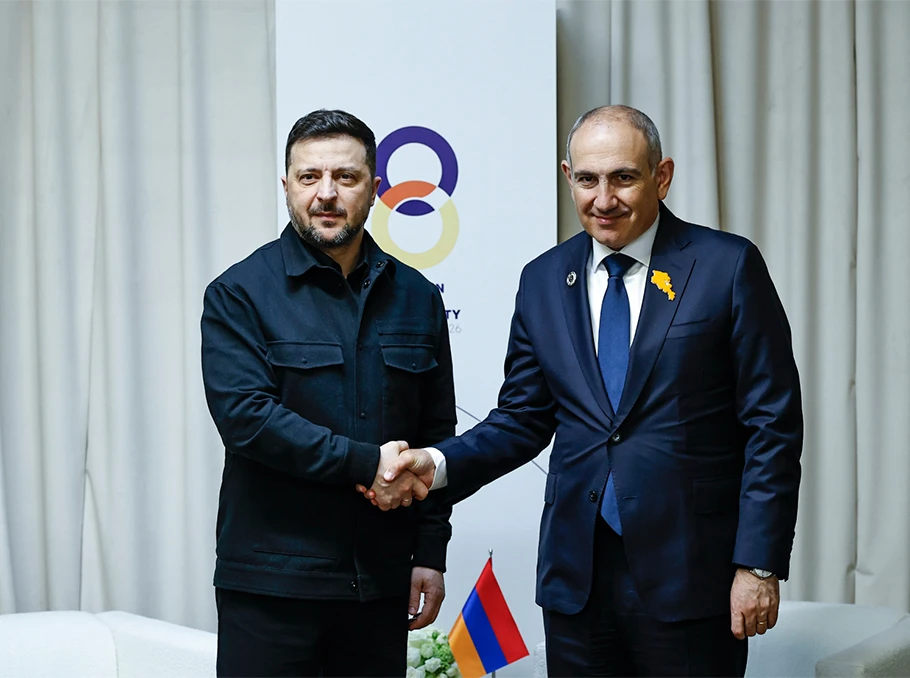
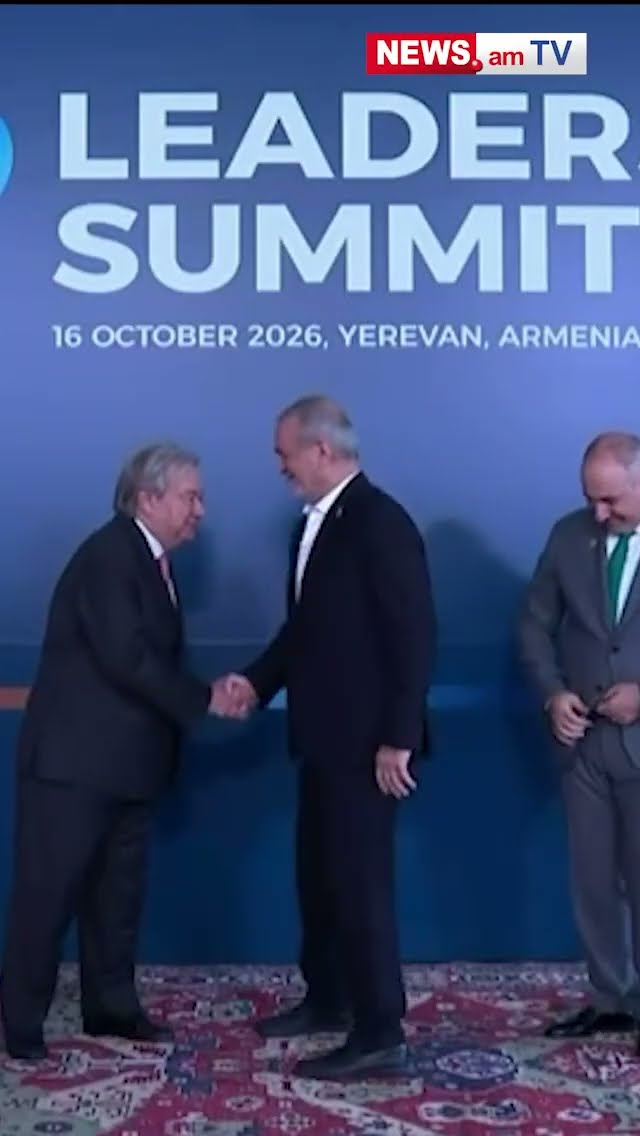
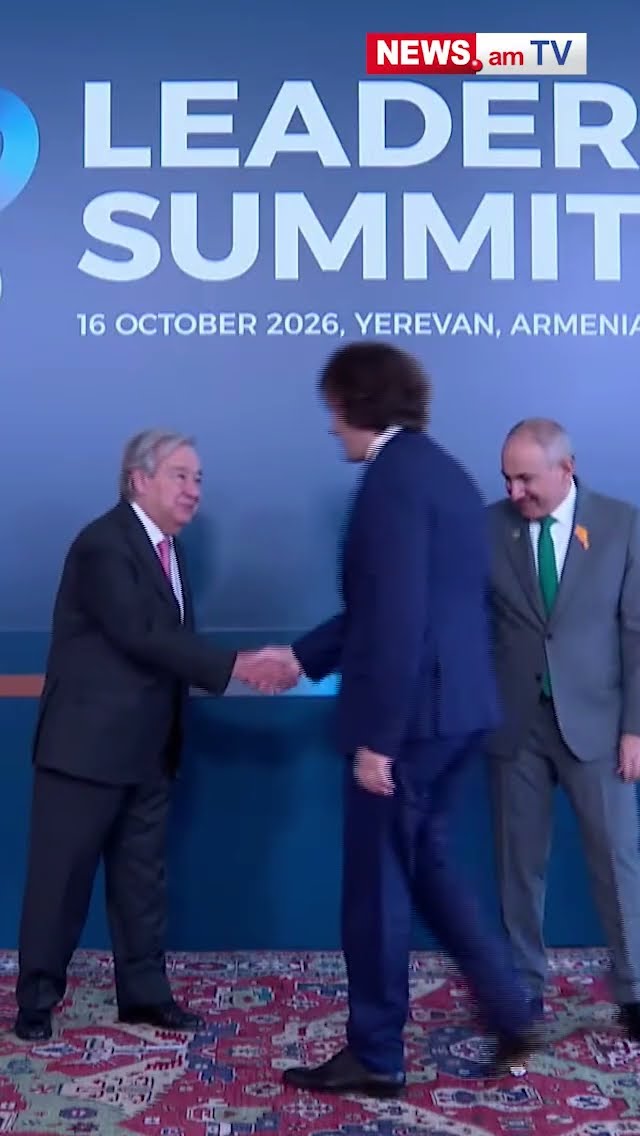
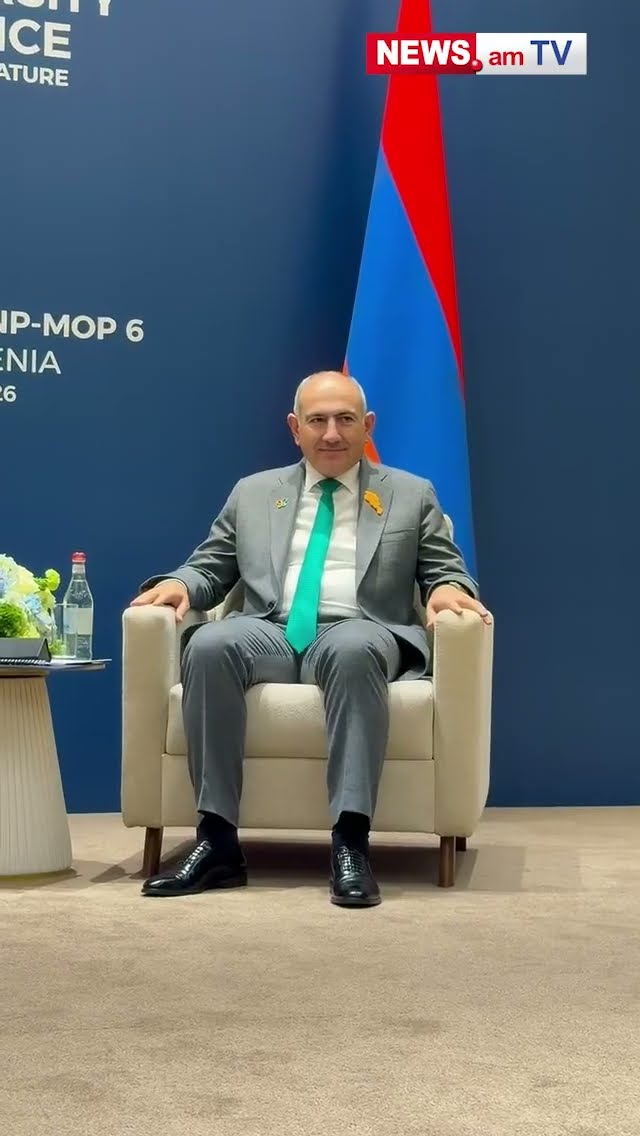
Real memoranda and agreements were expected from the European Union (EU) summit in Yerevan, within the framework of which the EU would act as a guarantor of peace. However, instead of all that, the summit brought war to Armenia, in the person of Ukrainian President Volodymyr Zelenskyy.
Past daily of Armenia adds as follows in this regard: And the resolution of the European Parliament on the right of return of Armenians of Nagorno-Karabakh, which preceded the summit, and which was addressed to the President of Azerbaijan, seemed to only anger Ilham Aliyev.
Zelenskyy’s visit to Yerevan itself is not just a signal, but a hostile step towards Armenia’s long-time ally Russia. Zelenskyy is an enemy for Russia, who leads a country with which it is in open military conflict. And the fact that the Ukrainian leader is being received with all honors in Yerevan cannot go unnoticed by Moscow.
At the same time, Zelenskyy has never been an ally of Armenia. During the 44-day war in Nagorno-Karabakh [in 2020], it was Ukraine that supplied Baku with phosphorus munitions. However, this fact has been decided to be ignored by both [Armenian PM] Nikol Pashinyan and Zelenskyy, who declined to answer reporters’ questions about the arms supplies.
The prime minister of Armenian turns a blind eye also to the fact that before coming to Armenia, Zelenskyy had visited Azerbaijan and held negotiations with Ilham Aliyev. Their results had been a package of cooperation agreements in the fields of defense and security, energy, trade, and humanitarian aid. Azerbaijan is increasing its military-industrial complex, while Armenia is reducing spending on the army.
But if Armenia is not preparing for war, does this mean that there will be no war? For his part, Aliyev has made it clear that he does not intend to spare the Armenian people. By expelling [the Armenian] people from Artsakh [i.e. Nagorno-Karabakh], he has proceeded to destroy the [Armenian] heritage they left behind: churches and holy sites. He was also not stopped by the European Parliament resolution on the right of return of Armenians of Nagorno-Karabakh and the release of [Armenian] captives held in [the Azerbaijani capital of] Baku. In response, Azerbaijan severed relations with the EU.
In addition, Aliyev spoke harshly about the role of the European Parliament in the settlement of the peace process: “This body, instead of supporting the peace process, is effectively engaged in sabotaging it. From May 2021 to April 30, 2026, the European Parliament has adopted 14 resolutions full of offensive wording against Azerbaijan. Just imagine—14 resolutions in five years—a kind of obsession..”
After that, a decision was made to suspend the [Azerbaijani] parliament's participation in the activities of the EU-Azerbaijan Parliamentary Cooperation Committee and to begin the process of suspending [Azerbaijan’s] membership in the Euronest Parliamentary Assembly.
Aliyev is playing “peace” with Armenia as long as it is beneficial to him and as long as the [Armenian] republic and its prime minister serve the interests of Azerbaijan. A ceasefire is a temporary measure and works only when it benefits the party with the more powerful military-industrial complex, and today such is objectively Azerbaijan.
When the conflict between Azerbaijan and Armenia flares up again, the EU is unlikely to be able to act as a peacemaker, especially since it has its own interests. As Armenian political analyst Tigran Kocharyan noted: “For European politicians, Pashinyan is ‘their man’ who fulfilled their main condition: he handed over Nagorno-Karabakh, recognizing it as part of Azerbaijan.”
For the EU, Armenia’s next step should be to abandon friendship with Russia. French President Emmanuel Macron directly noted this, stating that 8 years ago no one would have come to Armenia, and the reason for this was that “Armenia was de facto a satellite of Russia.” At the same time, Macron is trying to attribute all the merits for stable relations between France and Armenia to Pashinyan, ignoring the many years of [respective] work of the [Armenian] diaspora. Until 2018, all French presidents paid state visits to Armenia.
However, today, before the [upcoming parliamentary] elections [in Armenia], it is convenient to declare that it is Pashinyan who has normalized relations with Europe in order to help him garner political points. That is why the summit [in Yerevan] is being held before the elections, to cover up the real state of Armenia with beautiful words about friendship with Europe.
However, everyone will forget about the promises of the summit after a month, and the absence of democratic processes, repressions, arrests of people on the streets, attacks on the opposition [in Armenia] will remain even after the departure of the European leaders.