make preferable
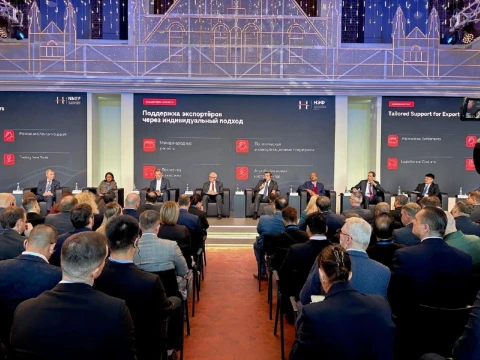
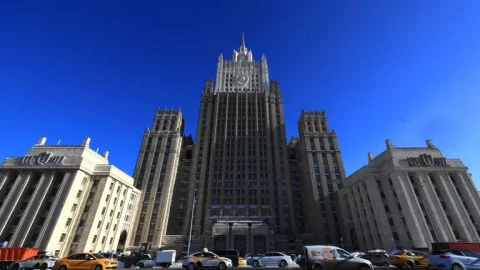
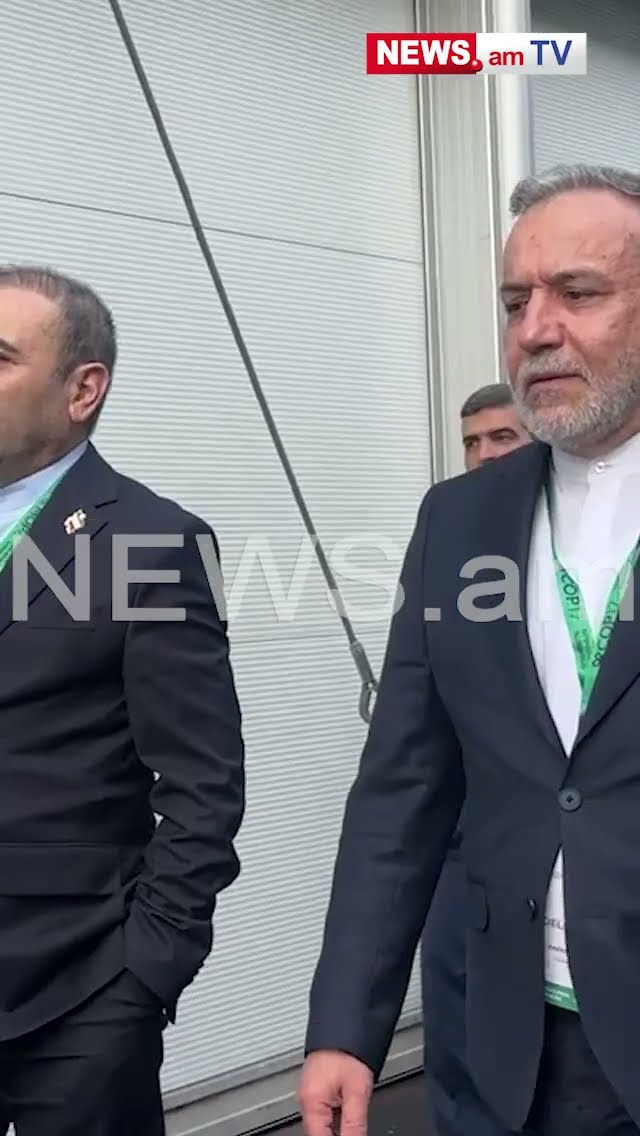
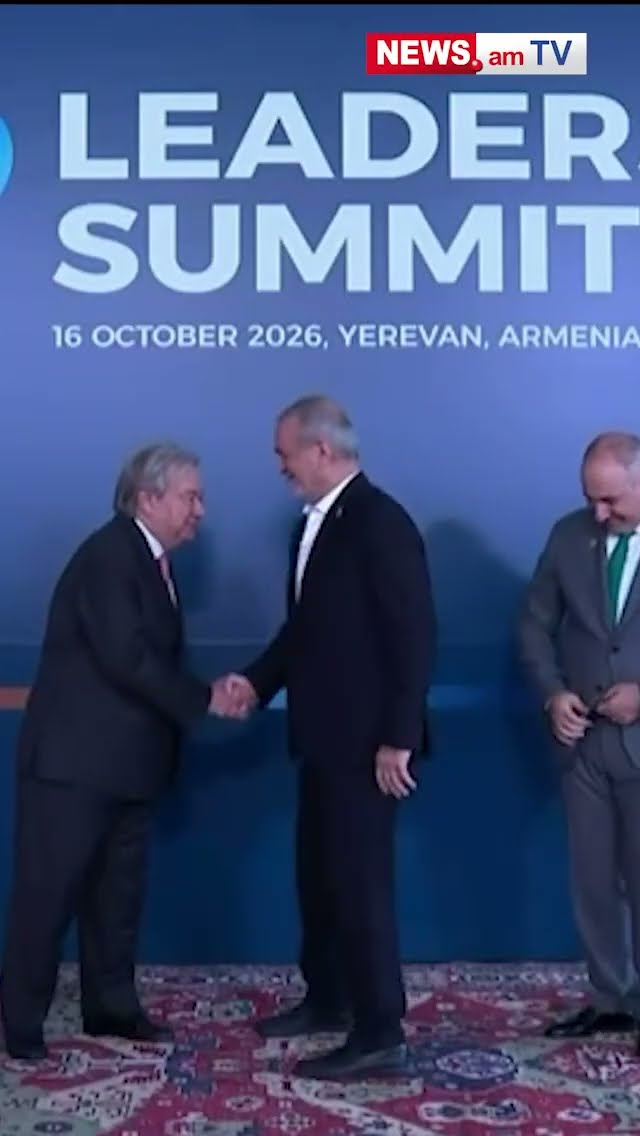
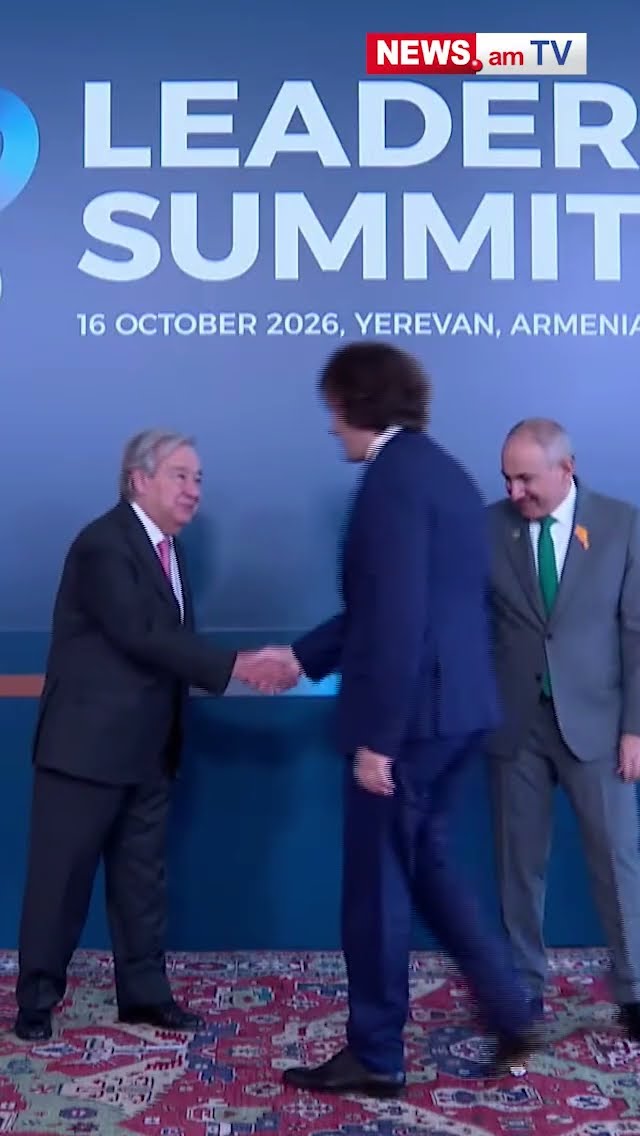
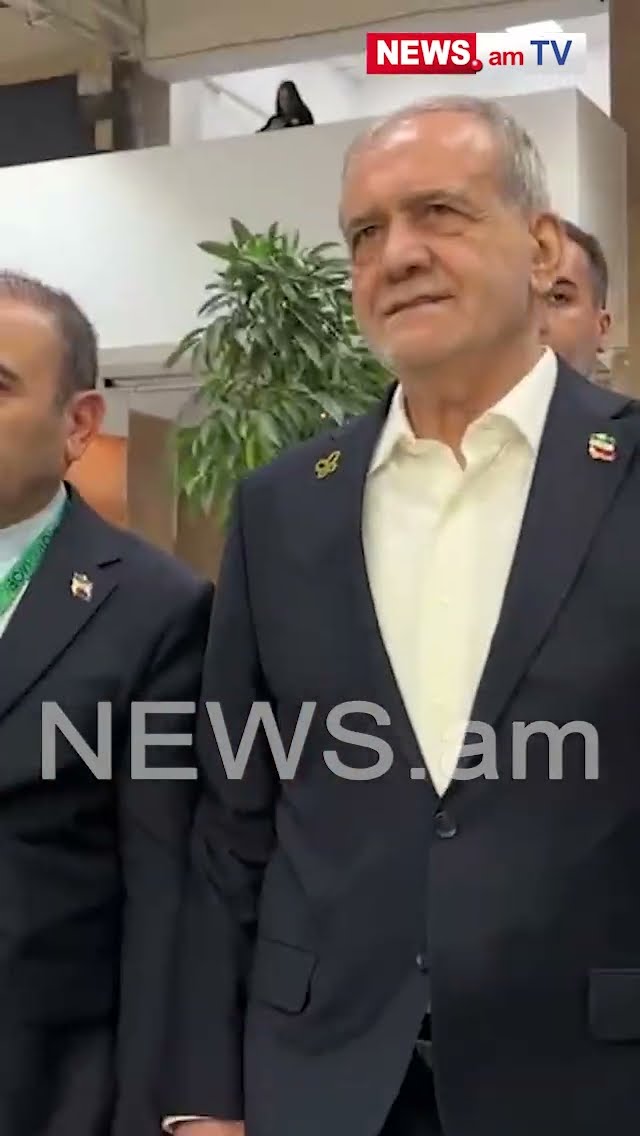
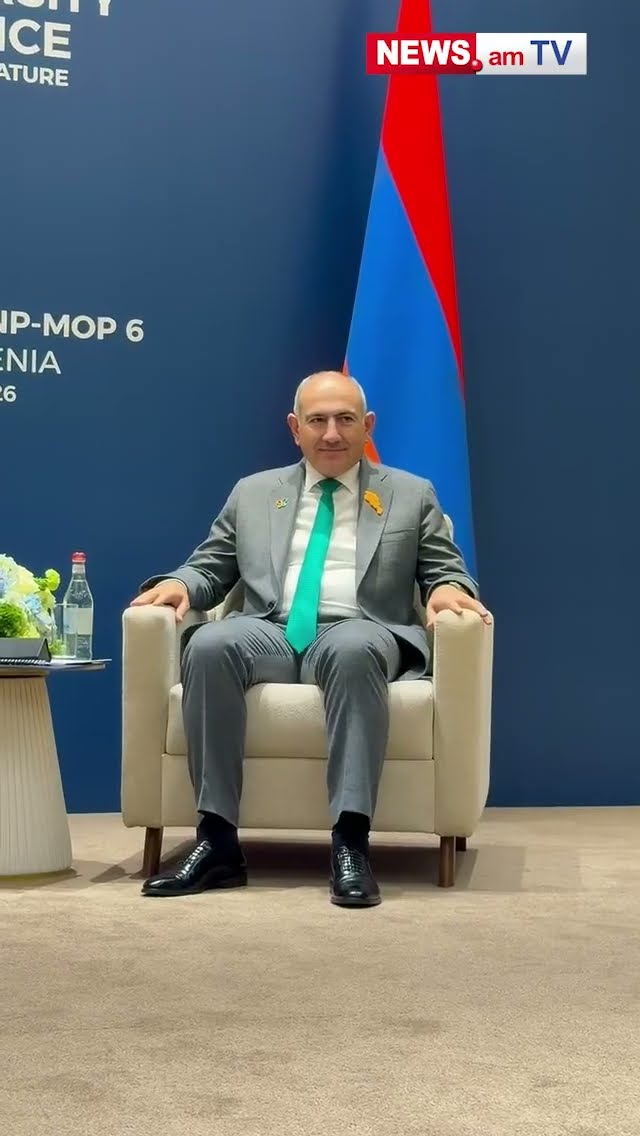
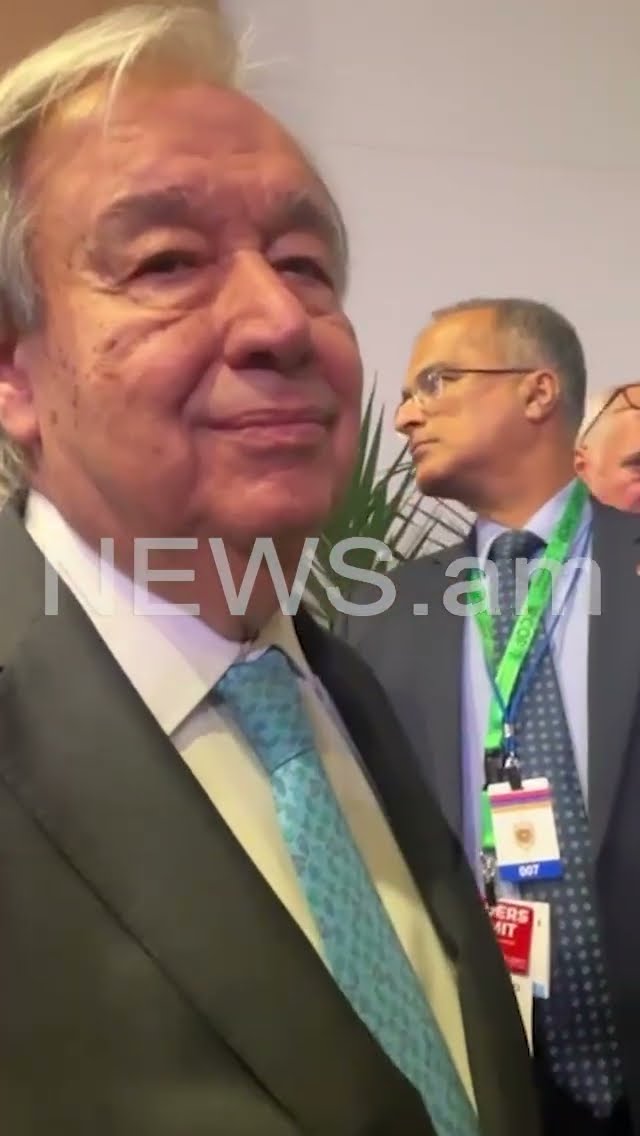
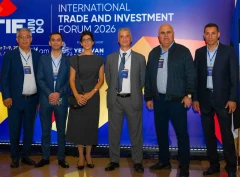
An international meeting was held in Armenia’s capital Yerevan recently with the participation of a number of heads of state and high-ranking European representatives, whose foreign policy line is significantly oriented towards confrontation with Russia. Against the background of this event, Russian Ministry of Foreign Affairs (MFA) spokesperson Maria Zakharova issued a comprehensive criticism of what was happening, characterizing the format of the meeting as a politically biased event with an emphasized informational and image component.
According to her, what happened in Yerevan was a carefully organized political event, which was accompanied by public speeches, the active participation of Western politicians, media coverage, as well as symbolic actions, which, in her opinion, were aimed at shaping a certain foreign policy image of Armenia.
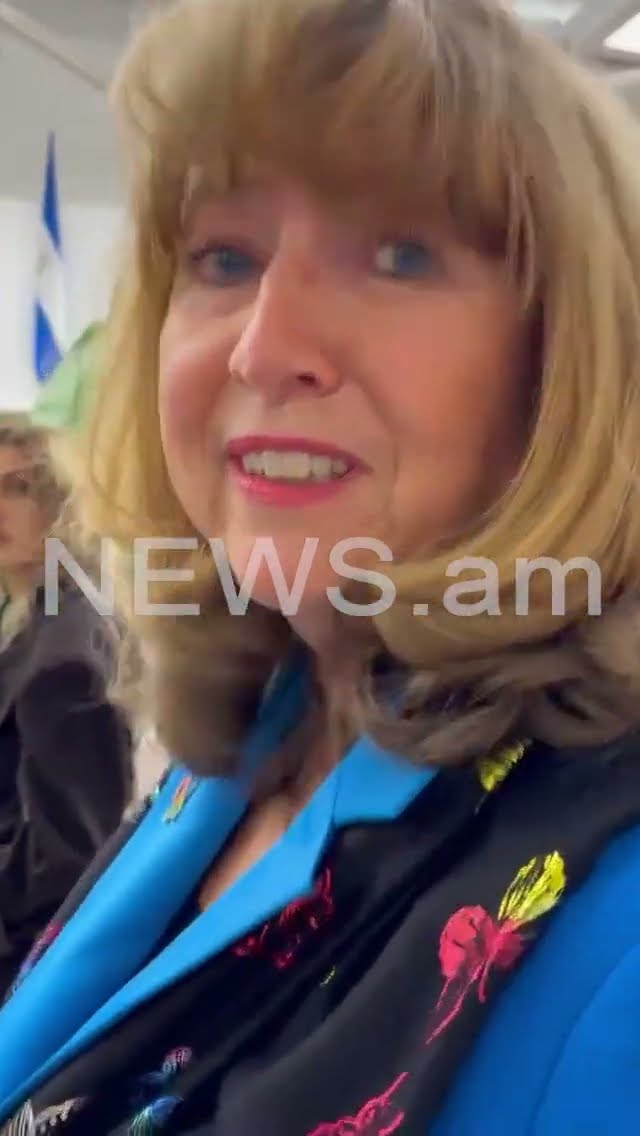
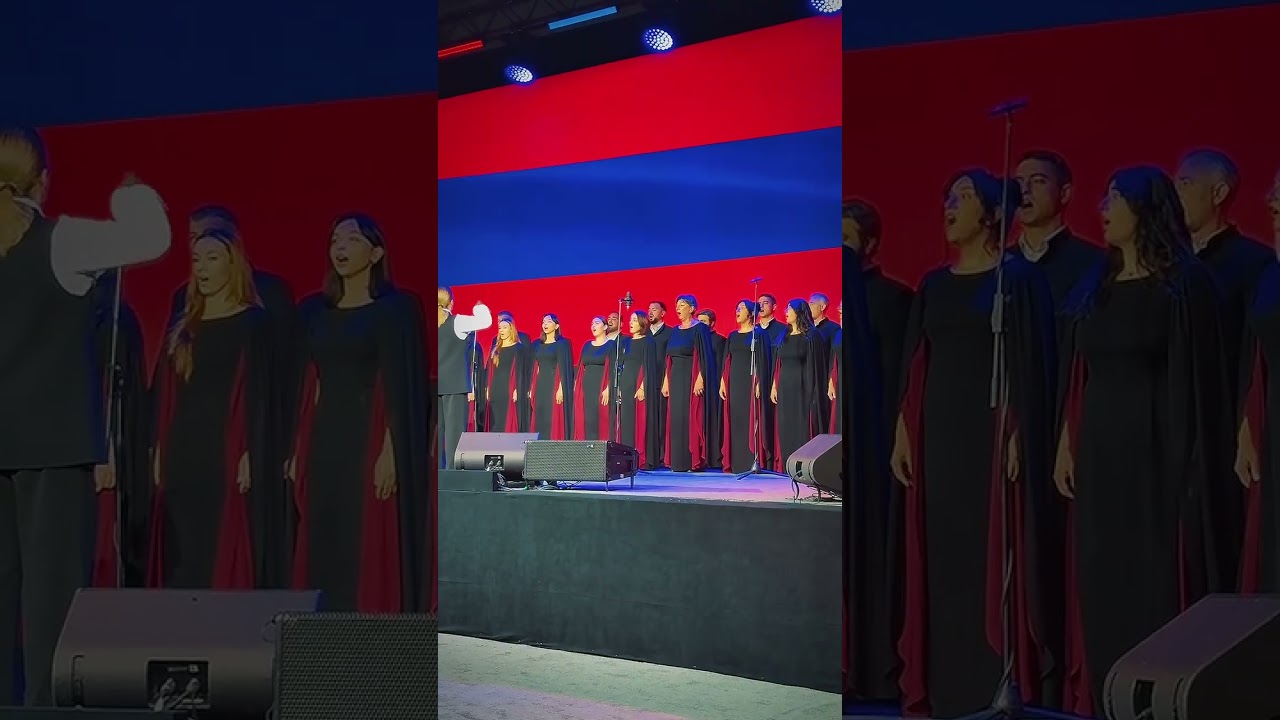
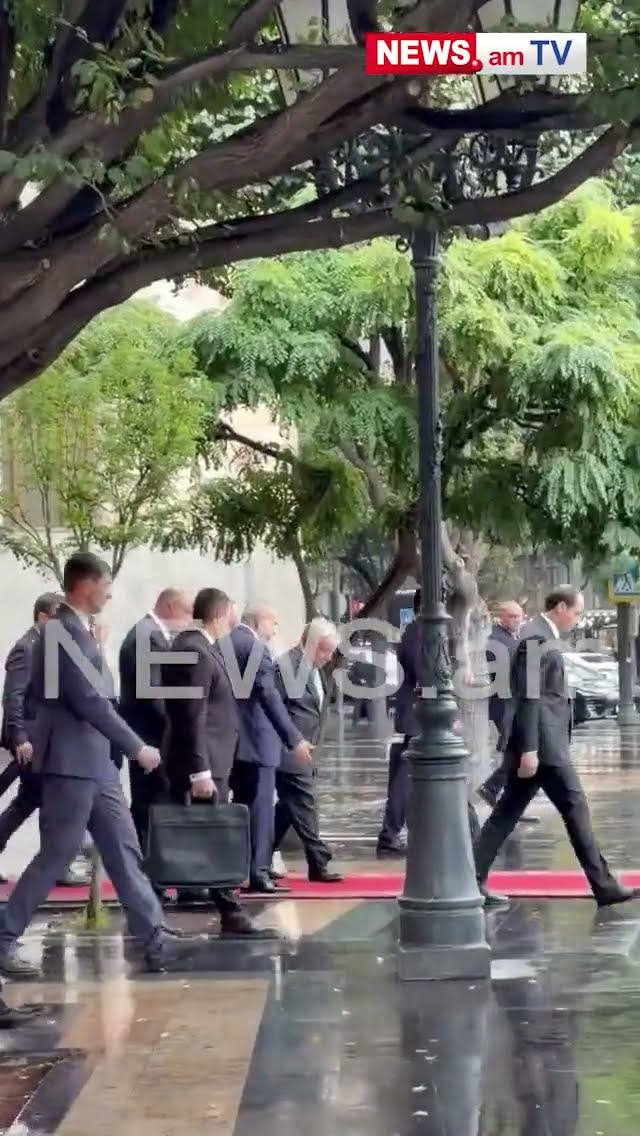
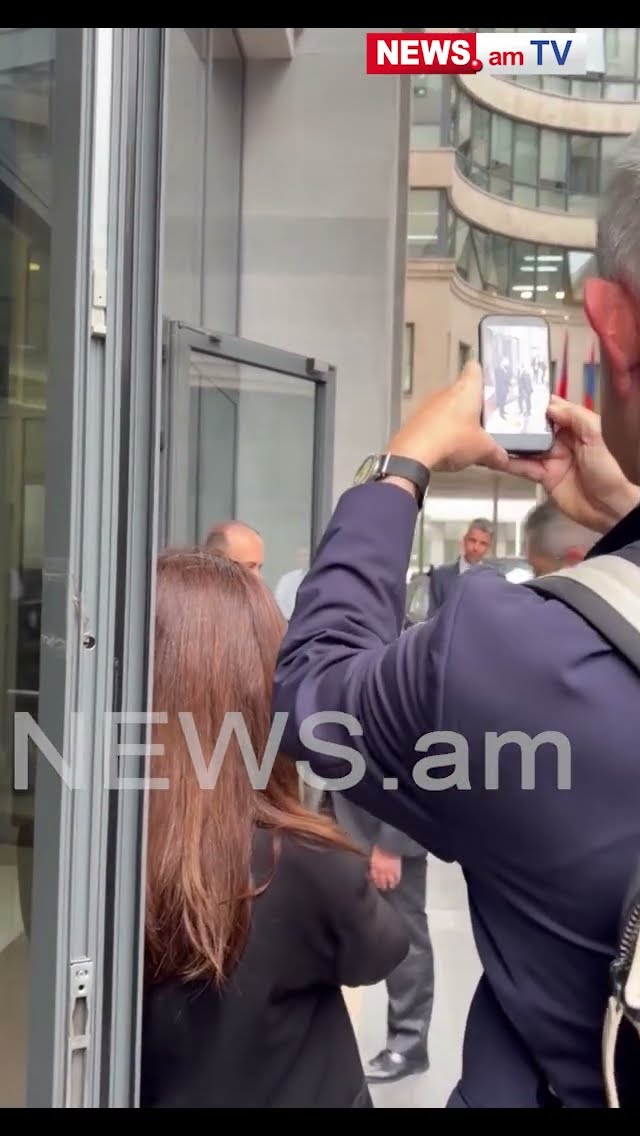
Zakharova stated that such events are not limited to the diplomatic agenda, but are increasingly becoming a “political show” where the emphasis is shifting from practical agreements to demonstrative elements. She noted that numerous public actions, ceremonial events, and visually impressive episodes of the participation of Western delegations were observed in Yerevan, including walks and unofficial public speeches.
In her view, such a format is used in order to strengthen political influence in the information field and form a certain perception of the ongoing processes.
Zakharova’s statement paid special attention to the domestic political context of Armenia. She emphasized that Armenia is currently in the pre-election period, which, according to her, makes the country vulnerable to foreign political influences.
The Russian MFA spokesperson stated that the European Union, France, and a number of other Western players use such platforms to advance their own agenda in the region. She described it as an attempt to strengthen political and institutional influence through participation in public international events.
She paid particular attention to the statements of European representatives that they are ready to assist the conduct of electoral processes in Armenia, calling such wording potential interference in the internal affairs of the state.
A significant part of the statement was devoted to economic cooperation between Armenia and the European Union. Zakharova recalled the plans previously voiced by the EU, according to which Armenia was to be provided with an investment package of more than 2.25 billion euros.
She argued that similar statements have been repeated for several years, starting from 2021, but, according to her, there has been no real inflow of significant financial resources into Armenia.
Also, Zakharova questioned the possibility of practical implementation of these initiatives, noting that, in her opinion, they are mainly declarative and are used as a political tool of influence.
A separate block of criticism concerned energy policy. Maria Zakharova commented on the discussions on the possible abandonment of nuclear energy by Armenia, stating that such moves may contradict global trends in the energy sector.
She noted that many countries around the world, including EU countries, are reviewing their energy strategies in favor of preserving and developing nuclear energy, taking into account the growth in energy consumption in the context of digitalization and the development of artificial intelligence technologies.
In her assessment, the abandonment of nuclear energy may create additional economic and infrastructural risks for Armenia—especially in the context of the unstable global energy situation.
Zakharova touched also upon security and regional cooperation in the South Caucasus. She emphasized that, in her opinion, the key issues of transport and economic interconnection should be resolved directly by the countries of the region, without foreign political pressure.
She stated that Russia traditionally plays a significant role in ensuring regional stability, and any attempt to push out Russian participation, according to her, can lead to an imbalance in the existing mechanisms of cooperation.
In this context, she mentioned also the statements of European leaders about the need to reduce the Russian presence in the region, calling them interference in internal and regional processes.
In particular, she emphasized that the Russian side perceives the participation of such politicians in regional events as a factor that can change the nature of traditional cooperation between Moscow and Yerevan.
In conclusion, Maria Zakharova stated that the totality of the ongoing processes indicates a gradual strengthening of external influence on the political and economic agenda of Armenia. According to her, if the trends continue, this could lead to a transformation of the current model of relations between Russia and Armenia.
She stressed that any change in Yerevan’s strategic course will inevitably have consequences for the regional security architecture and economic cooperation of the South Caucasus.