make preferable
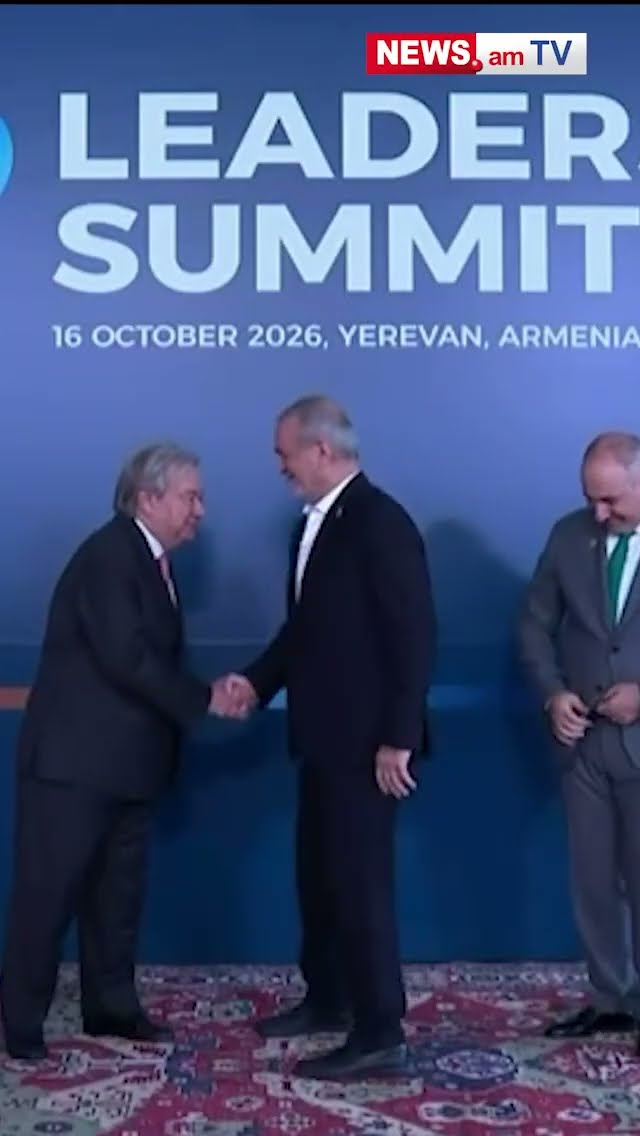
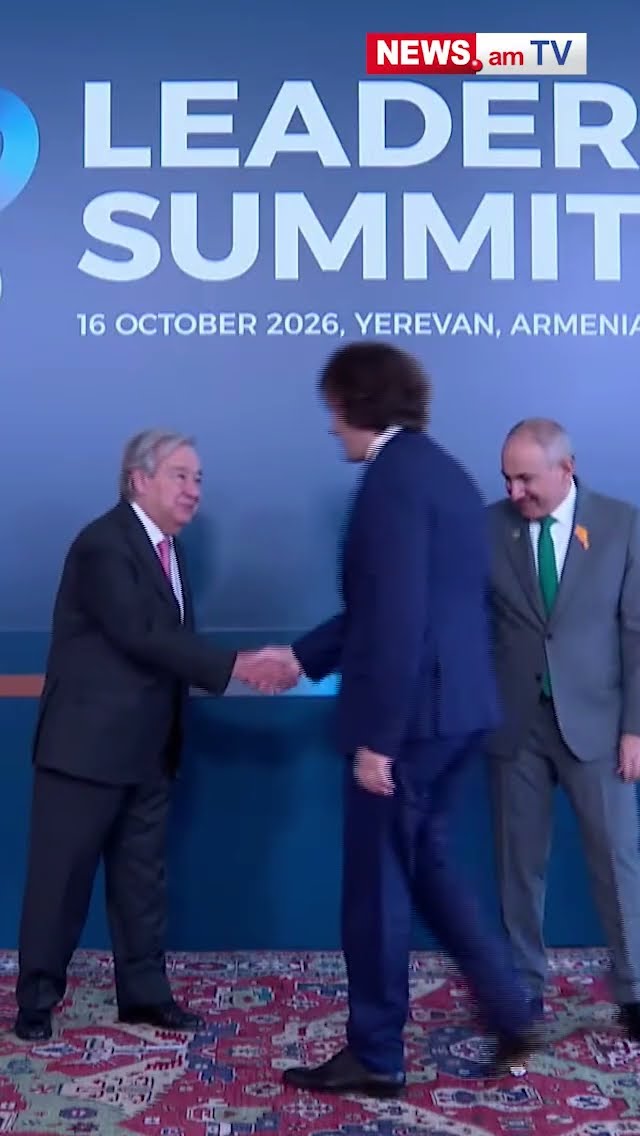
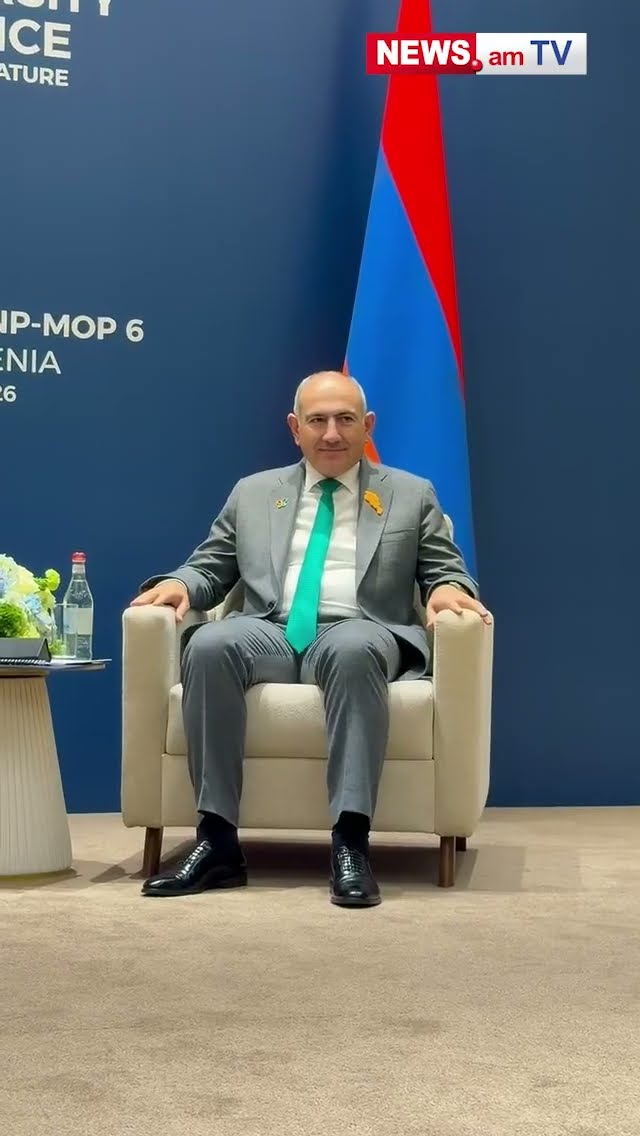
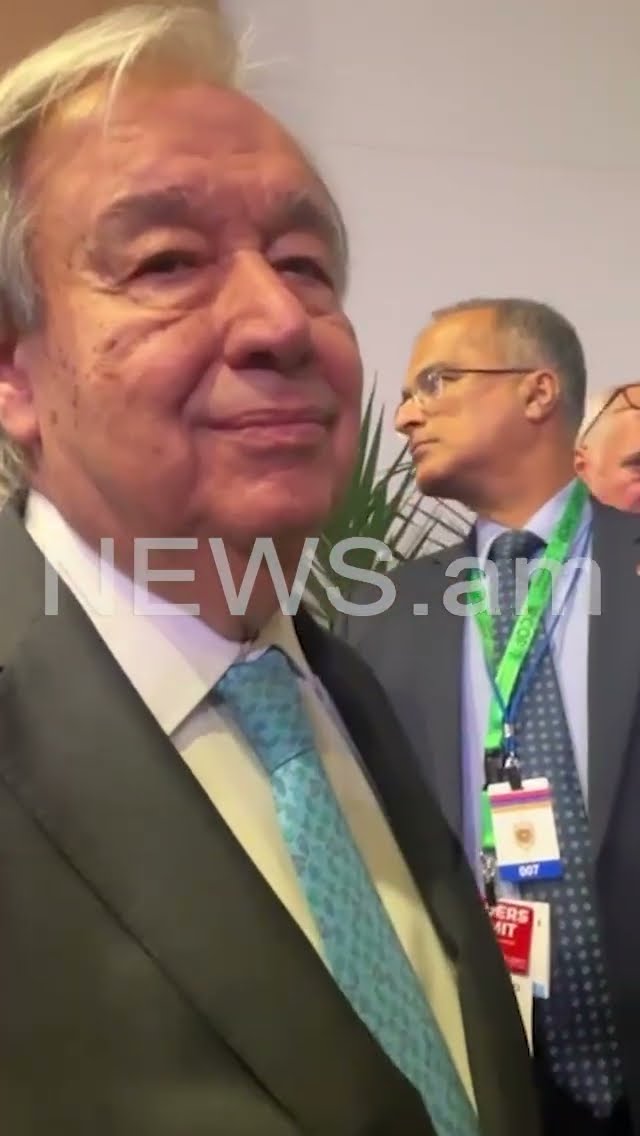
The Russian side has always emphasized its respect for Armenia's sovereign right to diversify foreign policy relations, with the understanding that this will not harm Russian-Armenian cooperation and our interaction within the framework of common integration associations. Russian ambassador to Armenia Sergey Kopyrkin stated this in an interview with Iravunk Media Holding, answering a question about Russia's position on the summit of the European Political Community (EPC) in Yerevan, taking into account the statements made, the results achieved, as well as the participation of Ukrainian President Volodymyr Zelenskyy there.
“Russia is not a participant in the EPC format. However, according to open sources, great attention was paid to the Russian topic, but exclusively with the logic of confrontation. Zelenskyy’s aggressive statements to Moscow not only provoked a harsh warning from the Russian defense ministry, but were also not understood by Armenia’s society.
The fact that Russia and Belarus were not initially invited to the EPC platform clearly indicates that its initiators do not seek to form a unifying agenda. Unlike them, Moscow and Minsk have come up with an initiative to form an open architecture for ensuring stability on the Eurasian continent, which is based on the principles of the indivisibility of security and the primary responsibility of Eurasian states for resolving Eurasian problems. We are ready to participate in the engagement of all states that are ready for dialogue and constructive cooperation,” the Russian ambassador to Armenia added.
The diplomat noted that, in particular, the situation in unblocking of regional transport routes is positively affected by the major progress observed in achieving peace between Armenia and Azerbaijan. "However, the waves of the Middle East crisis are reaching Transcaucasia, which are conditioned by the aggravation of the situation around Iran, which has been attacked by the US and Israel. The tense situation around the Strait of Hormuz, one of the key waterways for the global economy, is now being widely discussed. It is obvious that fluctuations in world prices for fuel, fertilizers, and food cannot but affect the countries of the South Caucasus. In this regard, the Armenian leadership has already stated in the media that the time frames for the implementation of the ‘Trump Route’ project are being put off. It is obvious that amid Tehran's loss of confidence in Washington, which was preparing military strikes under the guise of negotiations, American participation in the transport project on the northern borders of Iran will be perceived from the point of view of possible risks to the security of the Iranian state.
Various aspects of the situation around the road passing through [Armenia’s southernmost] Meghri [city] were commented on in detail by the Deputy Prime Minister of the Russian Federation A.L. Overchuk to the TASS agency on in an interview given on April 2, where he, in particular, noted that this route can open up an opportunity to improve transport links between Russia and Armenia,” the Russian ambassador to Armenia noted.
Speaking about the priorities for the development of Armenian-Russian relations in the future, Sergey Kopyrkin noted that bilateral relations are multi-layered and comprehensive in nature, and based on a solid contractual and legal basis accumulated over 34 years.
“The list of directions is very wide, from politics, security and economy to energy, culture, science, tourism, etc. At the same time, it is obvious that both our countries, regional realities, and the global situation are changing. All this requires the adaptation of our interstate cooperation. We aim to move forward based on the accumulated positive potential. Such powerful unifying factors as shared history, geography, economic, interpersonal ties, and the role of the diaspora have not disappeared.
We have everything we need to develop new standards and cooperation algorithms based on a pragmatic convergence of interests: direct contacts at the highest and high levels, an intergovernmental commission on economic cooperation between the National Assemblies of the Russian Federation and the Republic of Armenia, an interparliamentary commission on cooperation between the Federal Assembly of the Russian Federation and the National Assembly of the Republic of Armenia, mechanisms for effective interaction in the field of foreign policy and other departments, an interregional forum, etc.
The main thing is to demonstrate political will and maintain focus on the result. There is such a readiness on our part," the Russian ambassador to Armenia concluded.