make preferable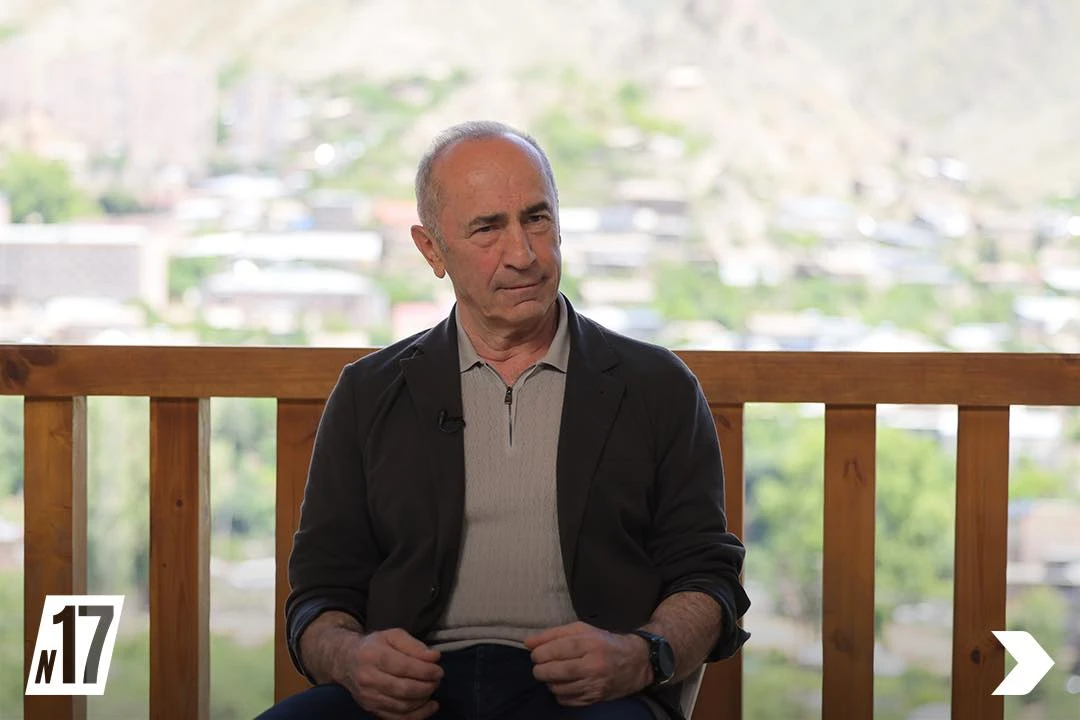
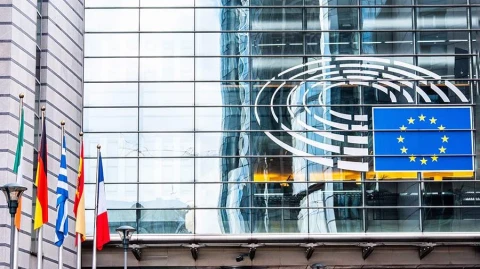
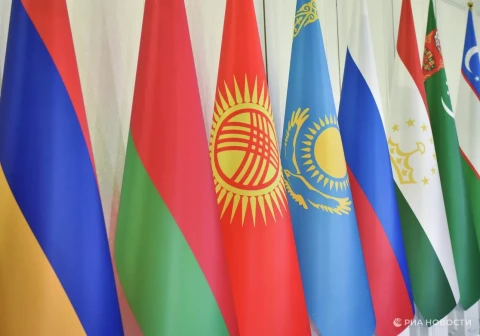
It is obvious that membership in the EAEU and the EU are incompatible, which is also accepted by the Armenian authorities. This was stated in an interview with a number of media outlets in southernmost Meghri city by the second president of Armenia, the candidate for prime minister of the "Armenia" bloc, Robert Kocharyan.
"But they [i.e. the Armenian authorities] say, ‘We have decided to follow this path, when we decide and make a final decision, we will announce [it].’ You do not speak in such language with a superpower like Russia," Kocharyan added.
The politician reminded that this is an accepted practice in the world: countries define their trade regimes based on their own interests and relations.
"From this point of view, Russia is extremely patient [with Armenia]. But the approach is this: if you are a friendly country [with Russia], a trade regime operates with you. If you come out of the status of a friend and move towards countries that are currently in hostile relations with Russia, then you may find yourself in other regimes,” Kocharyan explained. He recalled that over the past two months, Russian officials have repeatedly spoken about this.
“I always say in my speeches that foreign policy cannot contradict economic interests, otherwise it will ‘hit’ people. The question is, did the [Armenian] authorities make such calculations, or was this a surprise for them, or maybe they thought that they would ‘manage.’ Russia will be guided by its own state and national interests, there is no other option. In my impression, they consider the Armenian people friends and want Armenia to remain a friendly country. But interviews and statements prove: seeing Armenia as a friend, they see an unfriendly government and are trying to remind that this cannot continue indefinitely,” Kocharyan noted.
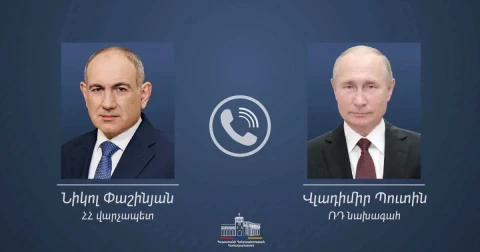
Referring to the question of the 200 phone calls between Armenian PM Nikol Pashinyan and Russian President Vladimir Putin, the politician noted that by bringing such arguments, Pashinyan apparently believes that his agile—or rather, falling this way and that—behavior in domestic politics gives hope for the same in foreign policy.
“But in foreign relations, it is called ‘diplomacy.’ If you confuse diplomacy with attempts to ‘escaping unscathed,’ in the end you will fall into a pit. Russia is not a country that does not see or understand what is happening,” Robert Kocharyan concluded.