make preferable
The entire export-oriented agricultural sector of Armenia has been paralyzed, and the situation is very difficult, farmer Harutyun Mnatsakanyan told Armenian News-NEWS.am.
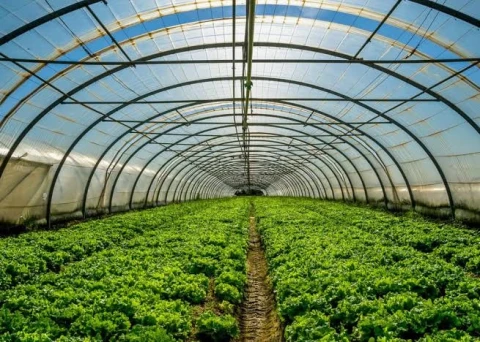
He noted that the situation for Armenia’s flower producers is so difficult that they have filled the stores with their products at very low prices. "In addition, today in supermarkets one kilogram of tomatoes can be found for 90 drams, from which we can conclude that the procurement price is about 60-70 drams. This means that farmers are already working at a loss, which will also have negative consequences for greenhouse farms," Mnatsakanyan noted.
According to him, Armenia has managed to export several thousand tons of apricots, but uncertainty prevails regarding the rest of the agricultural products.
He informed that Armenia annually exports $1.2–1.4 billion worth of agricultural products, more than 80% of which was destined for the Russian market, which is no longer the case.
“If the situation does not change, [Armenia’s] farmers will face serious problems, greenhouse farms will begin to massively cease their activities, horticultural farms will face the threat of bankruptcy, there will be no purchases of technical grapes, and so on,” the expert added. In his words, talk about the possibilities of the European market is an imitation. He noted that small batches being exported from Armenia to Europe do not change anything.
“The European market sets clear requirements, while the lack of standards does not allow exporting products there. Long-term work at the state level is necessary to achieve the desired results.
The [Armenian] state, which talks about market diversification and reorienting exports to Europe, should have already organized procurement stations, logistics centers, laboratories of appropriate quality by this time, established clear control, regulated the sale of fertilizers and chemicals," Mnatsakanyan concluded. In late May, Russia imposed restrictions on the import of agricultural products from Armenia, including tomatoes, cucumbers, peppers, and strawberries.