make preferable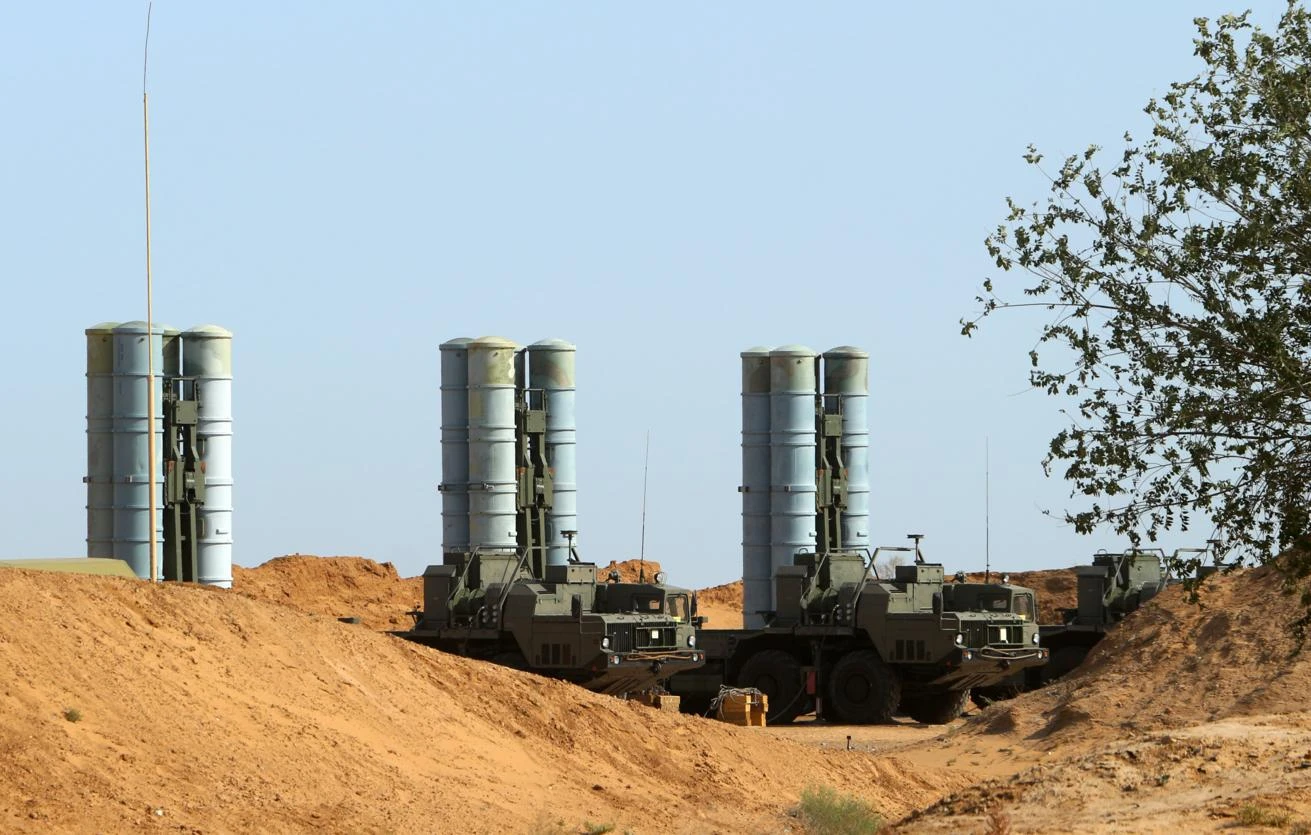
Turkey and the United States are discussing the option of transferring the Russian S-400 air defense missile systems delivered to Ankara to one of the Persian Gulf countries, according to Hande Fırat, a columnist for the newspaper Hürriyet.
According to her, the Turkish side wants to get out from under the US CAATSA sanctions and is looking for a legal formula that would satisfy Washington. Options such as deactivating the S-400s, dismantling the launch systems of the complexes, or storing the S-400s in the republic in a deactivated state under US control do not meet US legal requirements for lifting CAATSA. In this regard, as Fırat notes, the issue being discussed is ensuring that the S-400s are no longer physically present in Turkey.
A formula is being discussed for selling the Russian air defense missile systems to a third country from the Persian Gulf region. Moreover, some Turkish media outlets name the UAE as a likely buyer of the systems.
The imposition of CAATSA restrictions on Turkey led to its exclusion from the fifth-generation F-35 fighter production program and a ban on receiving these aircraft. However, as Hürriyet notes, lifting CAATSA in itself does not mean an automatic resolution of this issue for Turkey. The fact is that, in addition, the US Congress introduced provisions into the National Defense Authorization Act for Fiscal Year 2021 (FY2021 NDAA) restricting the delivery of F-35s to Turkey. “Therefore, even if CAATSA sanctions are lifted, Turkey’s return to the F-35 program will still require the completion of additional political, technical, and legal procedures. These are two different legal processes,” Fırat notes.
To repeal these provisions, amendments to the law or the adoption of a separate provision exempting Turkey from the restrictions will be needed. And this will require the involvement of the White House, which will have to convince Congress that Turkey has met the relevant requirements and that there are no legal obstacles to revisiting the issue of its purchase of F-35s. Moreover, the Pentagon and other agencies will also have to conduct their assessments and present their conclusions on this matter. And only if events develop positively can it be expected that, in the foreseeable future, it will be possible to resolve the primary issue of the six F-35s already paid for by Turkey but not received. Turkey’s return to the program is already a secondary matter.
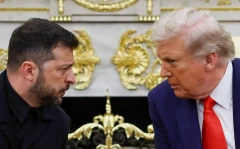
US President Donald Trump, during the NATO summit in Ankara, stated that America “will lift CAATSA sanctions.” As for the F-35 issue, although he was optimistic, he did not give an equally clear answer, saying that an assessment would be conducted on this topic and that no decision had yet been reached.