make preferable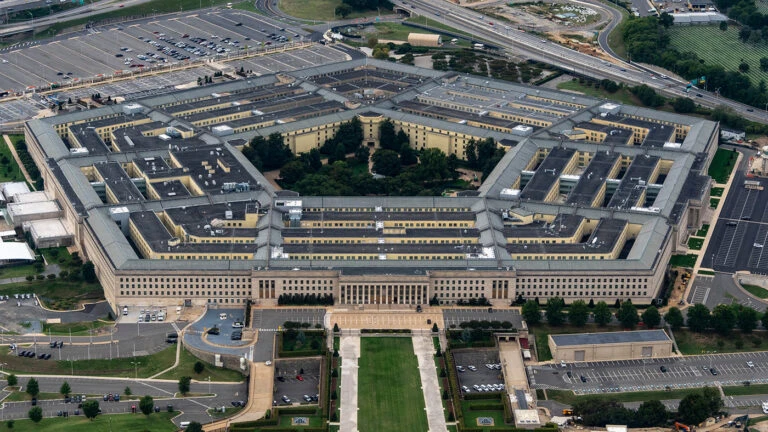
The Pentagon is facing an acute budget shortfall caused primarily by the war in Iran. According to lawmakers, as well as current and former U.S. officials, some key funding lines will be exhausted within the coming weeks — and this is happening amid the escalating conflict with Tehran being pursued by President Donald Trump, The Washington Post writes.
The financial crisis is already forcing the Pentagon to cut combat training and maintenance programs that support troop readiness, four sources said.
The collapse of the ceasefire agreement with Iran could hit the military budget even harder. After four American service members were killed during more than a week of intense fighting, Washington signaled that it is preparing for a larger-scale conflict.
The White House asked Congress to urgently allocate $67 billion to cover military expenses, but lawmakers have reached a deadlock over how to proceed. The House of Representatives plans to begin a month-long recess as early as this Thursday, delaying any deal on military funding for at least several weeks.
“Everyone needs to take a hard look at the situation and shake off complacency,” said Rep. Pat Harrigan, a Republican from North Carolina and a member of the Armed Services Committee, in an interview.
On Tuesday, after the article was published, press secretary Sean Parnell said Defense Secretary Pete Hegseth “will do everything necessary” to maintain troop readiness, emphasizing that defense funding is of “vital importance.”
On Tuesday, Hegseth and Chairman of the Joint Chiefs of Staff Gen. Dan Caine are set to appear before the U.S. Senate Appropriations Committee. These will be the first public hearings devoted to this aid package. The last time they appeared on Capitol Hill was in May, before the fragile truce collapsed.
White House budget director Russell Vought is also expected to address Republican lawmakers on Tuesday morning. According to sources, if Congress does not act, military leadership will be forced to make even more painful trade-offs.
Trump launched the airstrike campaign in late February, repeatedly saying it would end within a few weeks. However, the conflict has dragged on for months. Iran has closed the Strait of Hormuz — a crucial artery for the trade in oil and fertilizers — causing shockwaves in the global economy.
Last month, Vought told lawmakers that the war had already cost about $30 billion, but independent analysts believe the real figure is much higher. The White House estimates do not include the cost of restoring U.S. bases in the Middle East damaged by Iranian strikes.
The conflict has placed an unexpected burden on the U.S. Navy and Air Force, which deployed aircraft and warships to the Middle East. According to two congressional aides, budget lines for fiscal year 2026 covering the ongoing military operations of these two branches will be exhausted by the end of the current month.
To cover the shortfall until the start of the new fiscal year (October 1), the Pentagon is reallocating available funds. According to sources, military exercises and training are being canceled or scaled back, while budgets allocated for maintaining equipment and infrastructure are being used to plug holes.
According to a document reviewed by The Washington Post, in recent weeks the Pentagon has asked Congress for permission to redirect $4.3 billion from budget lines for exercises and weapons procurement to higher-priority needs. Congress has not yet approved that request.
A Trump administration official confirmed that the White House Office of Management and Budget is trying to redirect part of the funds to Pentagon operations and combat support accounts. However, this will come at the expense of cuts to other key programs.
Meanwhile, Republicans in the House of Representatives are drafting a bill using the complex budget reconciliation process to speed up the allocation of funds. The House is expected to vote this week on the framework of a measure providing $73 billion in new defense spending (slightly more than the White House requested).
However, this strategy faces serious obstacles in the Senate, where Majority Leader John Thune, a Republican from South Dakota, has expressed doubts about its prospects.
Democrats are blocking key defense initiatives, opposing funding for the Iran conflict, which has drawn criticism from both parties. Even those lawmakers willing to support the funding are expressing frustration that the Pentagon is delaying reporting.
When Hegseth testified before the House of Representatives in April, committee leaders urged him to provide data on the cost of the war as soon as possible. The Pentagon missed the deadline set by directive and for weeks failed to provide the requested details, including data on the remaining stocks of precision-guided weapons after thousands of munitions were expended in Iran.
“We need to know exactly what we are buying and why,” said Betty McCollum, the top Democrat on the relevant subcommittee.
Hegseth had previously publicly downplayed concerns about ammunition shortages, saying in an interview with CBS News that U.S. stockpiles were “fine and only getting stronger.” However, behind closed doors Pentagon officials are expressing far greater alarm, arguing that the military urgently needs money to replenish arsenals for deterring adversaries such as Russia and China.
McCollum noted that replenishing weapons stockpiles is an obvious priority and stressed that other Pentagon officials are “deeply concerned” that lawmakers are not receiving the information necessary to make decisions.
The U.S. defense budget for this year totals about $1 trillion, including $150 billion in one-time funding approved last year. For fiscal year 2027, the Trump administration has requested a record $1.5 trillion, sparking fierce disputes on Capitol Hill.