make preferable
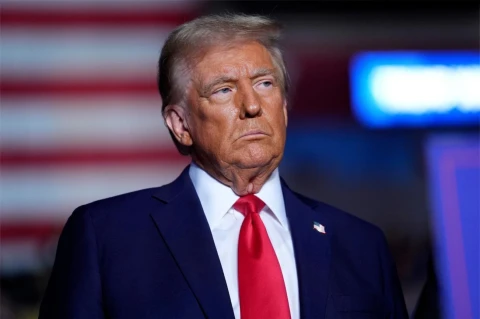
Canadian Prime Minister Mark Carney criticized the United States’ imposition of new 50% import tariffs on a wide range of goods from its neighboring country. The U.S. president signed a total of three executive orders, accusing Ottawa of pursuing a “discriminatory” trade policy.
Carney condemned the new import duties, calling them “yet another... step in a series of tariffs that directly violate” the United States-Mexico-Canada Agreement (USMCA).
“This trade dispute has already led to higher costs for families, especially in the United States,” Carney said in a post on the X platform. “Canada is ready for intensive dialogue to resolve contentious issues with the U.S. for the benefit of citizens in both countries.”
Earlier, the Trump administration had already imposed tariffs on Canadian steel, aluminum, as well as softwood and lumber.
The new tariff measures will take effect 30 days after signing. They are being introduced under Section 338 of the Tariff Act of 1930, which allows duties of up to 50% on imports from countries that discriminate against the United States.
The three executive orders signed by the president on Monday are aimed at what is described as Canada’s discrimination against three key categories of American exports: automobiles, alcohol, and dairy products.
Goods affected by the restrictions include wine, hockey sticks, cement, furniture, paper, plywood, dairy products, and much more. The main difference between the new measures and previous tariffs is that they apply to all of the listed goods without the exceptions provided for under the USMCA.
Mark Carney noted that over the past 18 months, Canada has prepared proposals to modernize the USMCA in response to changes in U.S. trade policy.
“We are ready to step up these discussions in the coming weeks,” the prime minister emphasized.
Over the past year, Trump has regularly exerted economic and political pressure on Canada in attempts to secure more favorable trade terms for the United States. In particular, the U.S. president’s suggestions about a possible annexation of Canada as the “51st state” provoked an extremely sharp and outraged reaction from Canadians.
In addition, after smoke from wildfires in Canada blanketed parts of the northeastern and Midwestern United States, Trump threatened to impose new levies on the country.