make preferable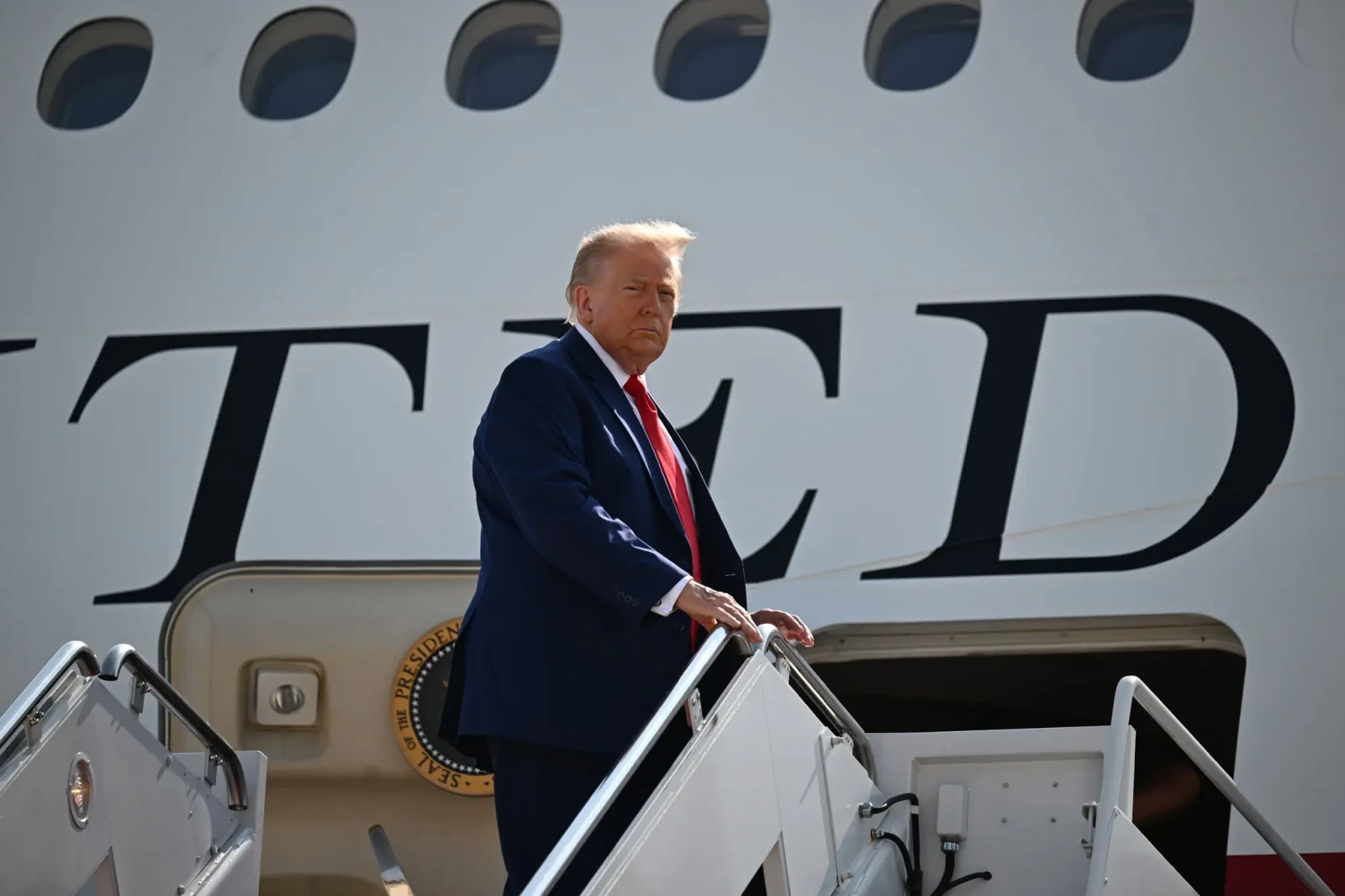
The United States paused the implementation of plans to escalate the war against Iran partly because of concerns about dwindling stocks of Patriot missile defense systems and other defensive weapons, The New York Times reported, citing two sources.
According to officials who discussed operational matters on condition of anonymity, closed-door discussions focused primarily on the decreasing number of Patriot interceptors and other air defense assets available to the Pentagon. According to a senior U.S. official, three American soldiers were killed in Jordan last Friday when a ballistic missile broke through the U.S. air defense system amid efforts to repel a barrage of Iranian missiles and drones.
According to sources familiar with the situation, the administration is also concerned about the possibility of fueling a broader war in the Middle East, alienating vulnerable allies in the Persian Gulf, and the prospect of further global economic shock.
At the same time, the pause in combat has not dispelled fears of a possible deterioration of the situation. In recent days, the Pentagon has moved additional forces into the region to prepare for any escalation. The U.S. military also damaged or destroyed a large number of railway bridges.
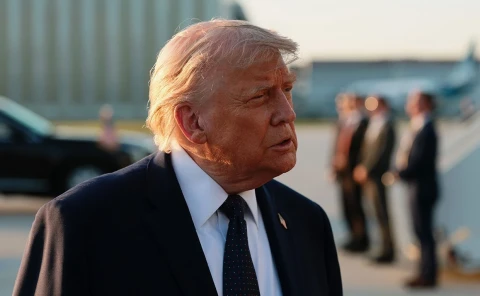
This comes just days before Trump is set to meet with Israeli Prime Minister Benjamin Netanyahu.
At the same time, Trump is grappling with how to proceed in his nearly five-month war against Iran, particularly how to reopen the Strait of Hormuz, as gasoline prices rise again amid renewed fighting over the past two weeks. Diplomatic efforts have failed, and the latest round of major U.S. attacks appears not to have stopped Iran militarily.
According to two sources, few in Trump’s inner circle considered the escalation plan reasonable. One senior U.S. official expressed doubt that resuming large-scale combat would force Iran back to the negotiating table.
An official said the strikes are having the exact opposite effect from what had been intended: they are helping to unite Iran and allowing Iranian leaders to focus attention on the external threat.