make preferable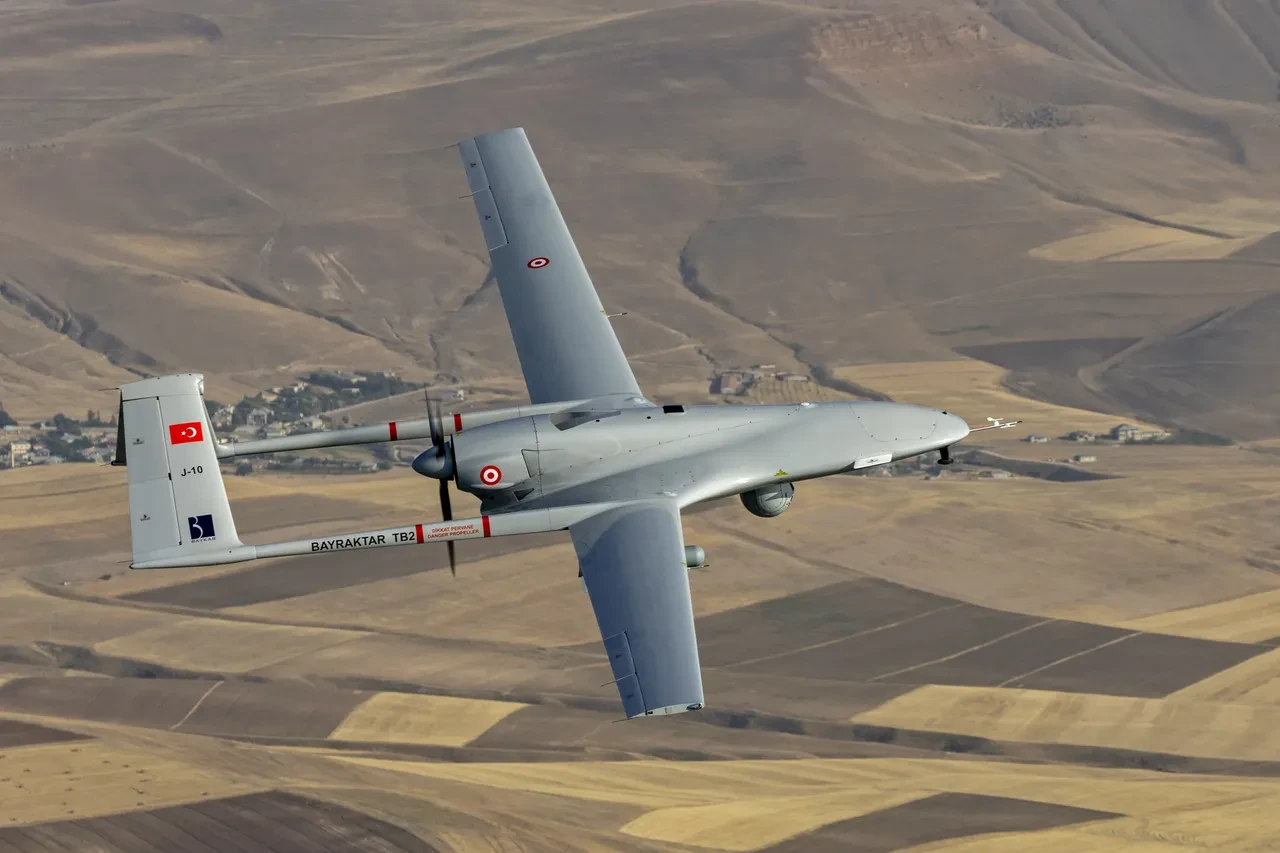
Turkey’s increasing use of unmanned aerial vehicles (UAV) to enter Greece’s National Airspace is creating a new operational and economic challenge for Athens, according to Greek officials and available flight-cost estimates, Ekathimerini reports.
Since the beginning of the year, and particularly during the past two months, Greek authorities have recorded an increase in such incidents. A notable shift is that most violations are now being carried out not by fighter aircraft but by UAVs of various types, including Bayraktar, Aksungur, and ANKA-S systems.
After recording no Turkish airspace violations in 2024, a year marked by a complete halt in aerial activity, Greece registered 225 violations in 2025. This year, before the end of summer, authorities have already recorded 433 violations, nearly double the previous year’s total, with the trend continuing upward.
Greece’s Air Force continues to rely primarily on F-16s and Mirage 2000-5 aircraft for interceptions. While these missions carry significant costs, officials note they also provide realistic training for pilots and the broader air-defense system, testing detection, identification, coordination and response procedures under real operational conditions.
While a Greek F-16 fighter jet scrambled for identification and interception missions is estimated to cost about €20,000 per flight hour, the operating cost of a Turkish Bayraktar UAV can be up to ten times lower.