make preferable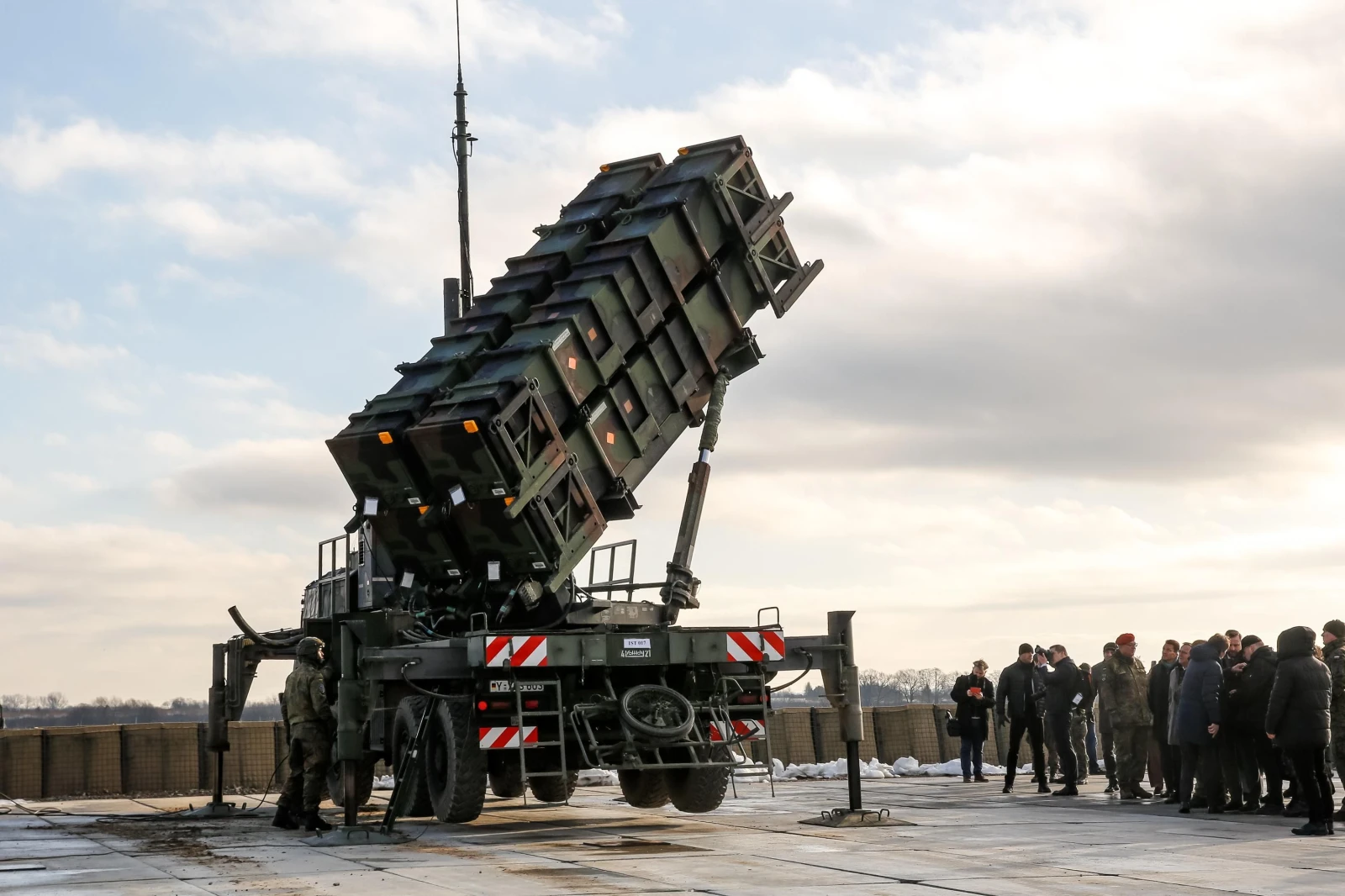
A European Commission official close to discussions over the EU's €90 billion loan for Ukraine has told Euronews that Kyiv has suggested that the next defense funding envelope could be used to acquire anti-ballistic missile systems, among other capabilities, Euronews reports.
The official could not specify whether these would be the American-made Patriot air defense missile system or its European equivalent — the Franco-Italian SAMP/T NG ground-to-air missile system—as the discussions were ongoing and no formal product schedule had been placed.
The upcoming order is expected to be made before September, with missiles and drones expected to also be requested.
The origin of potentially upcoming anti-ballistic missile systems could ruffle feathers as many EU member states, such as France, argue that financial support from the bloc should be used to buy European arms and support Europe’s defense industry.
While others believe that Ukraine must be given full flexibility to buy whatever it needs to immediately defend against Russia.
Ukrainian President Volodymyr Zelenskyy recently reiterated calls for Washington to release more Patriot interceptors so that Ukraine's armed forces can repel Russian missiles, get through the winter and “save people’s lives".
However, he also announced in July that Ukraine would become the first "combat user" of the Franco-Italian SAMP/T NG missile systems.
According to a public statement, Kyiv intends to order the systems through the 2026 and 2027 tranches of the Ukraine support loan, which should be delivered "as soon as possible" from next year.
Some €60 billion from the total €90 billion of the loan will be provided to bolster the country’s defenses during wartime, with the remainder propping up Ukraine's national budget.
A total of €28.3 billion will be provided to Ukraine in 2026 to support Ukraine's defense industrial capacities, with some already paid out.
The “Made in Europe” provision of the defense envelope aims to ensure as much funding as possible goes to European rather than foreign producers of military capabilities.