make preferable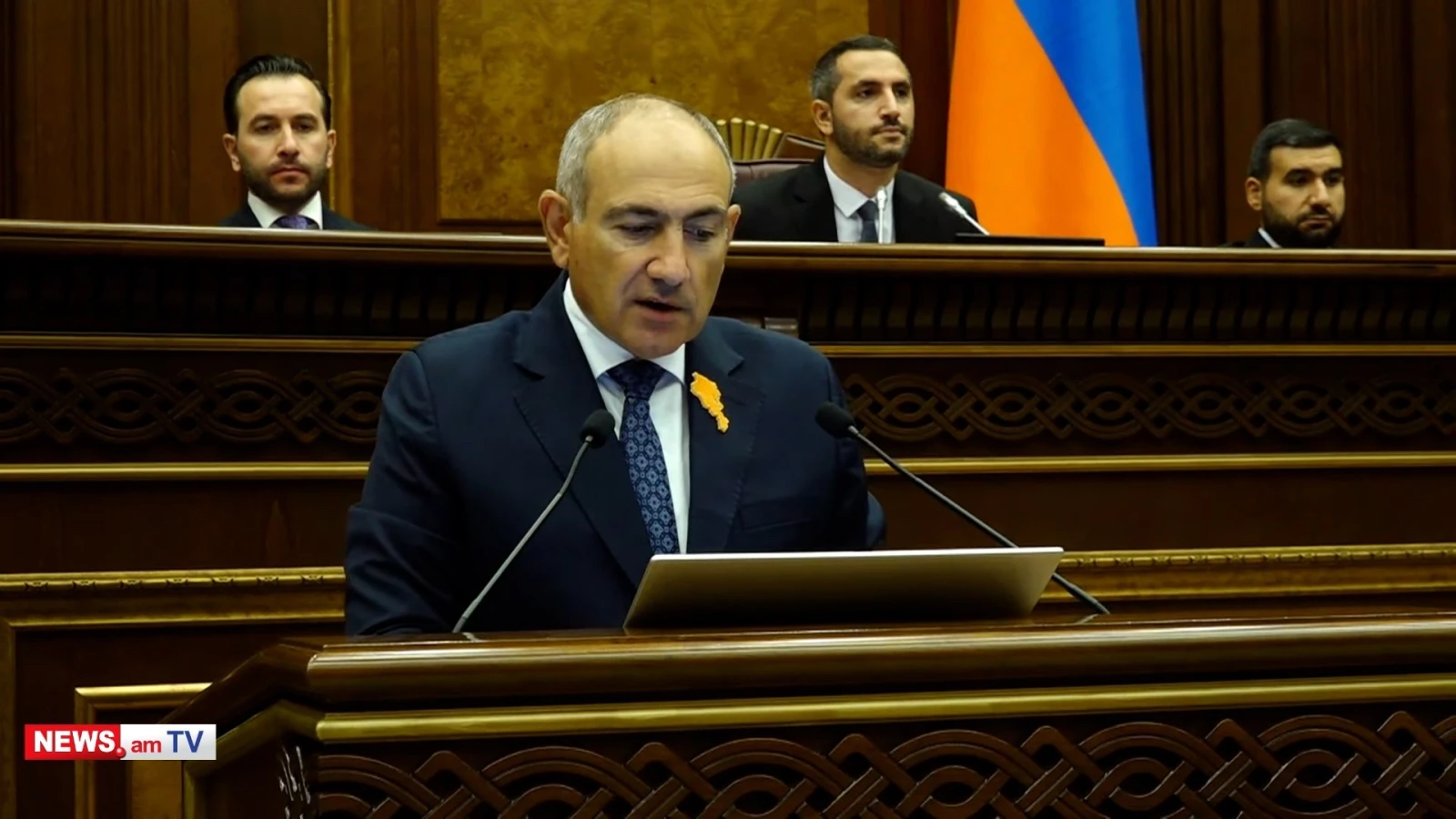
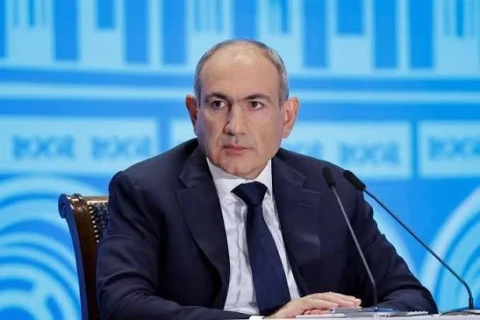
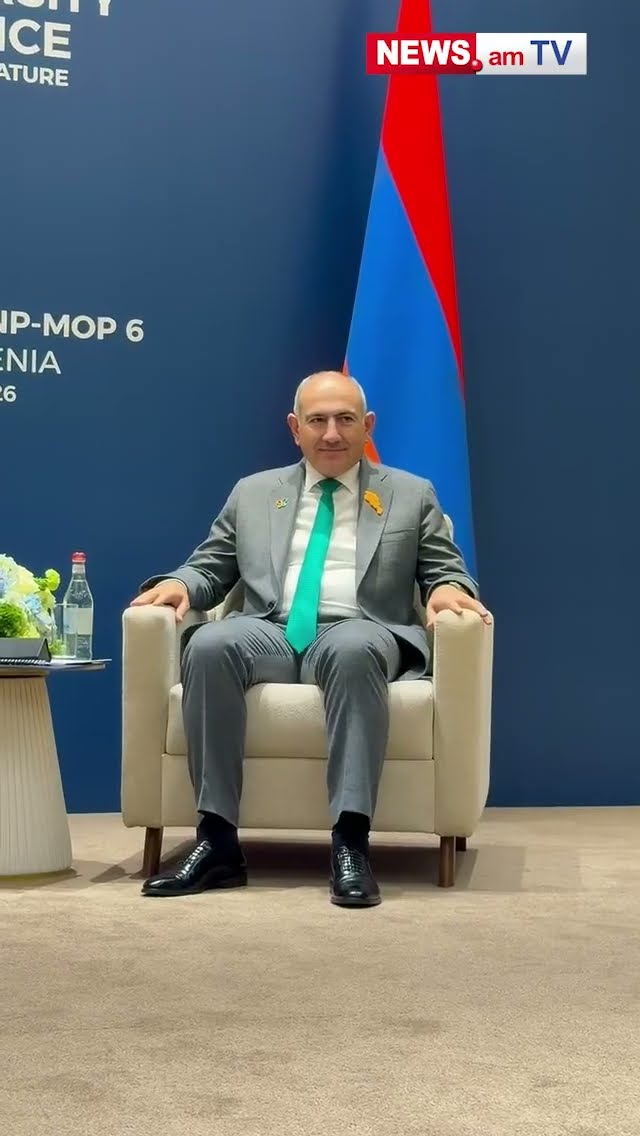
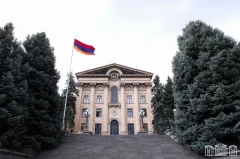
On June 7, 2026, the people of the Republic of Armenia voted for the ideology of a “real Armenia.” This [parliamentary] election result is historic because it redefines the functional significance of the Republic of Armenia. Prime Minister Nikol Pashinyan on Monday stated this at the National Assembly while presenting the upcoming five-year program of Armenia’s new government.
Pashinyan noted as follows, in particular: “The declaration of independence of the Republic of Armenia in 1990 was based on the philosophy that we need a state to restore historical justice, and this perception was expressed in the Karabakh movement.
The ideology of ‘real Armenia’ records that the only operational significance of the Republic of Armenia is to ensure peace, freedom, security, prosperity for its citizens in its internationally recognized territory of 29,743 square kilometers, to create an environment for the happiness of citizens, as it is customary to say in modern life, an ‘ecosystem,’ and to preserve and develop the identity of the people [of Armenia].
It is precisely such a state and vision that the citizens of the Republic of Armenia voted for on June 7, 2026, and it is this vision that we call the ‘Fourth Republic [of Armenia].’ And thus we can state that the Fourth Republic has been founded, the Fourth Republic is a reality. The [fact] that it is the state of peaceful life that our people expect becomes obvious to me with a retrospective analysis of the history of the Third Republic [of Armenia].
In [the] 2021 [parliamentary election], for example, in conditions when the opposition was developing the theory ‘the defeated authorities must leave,’ the people [of Armenia] gave a vote of confidence [again] to the [ruling] Civil Contract party. Meanwhile, none of the former presidents who have emerged as victorious leaders or with the theory of victory in the war since 1994 received the mandate of the people's trust in the elections and had to seize power through fraud, the use of force, or murder and intimidation.
It was such an attempt that was crowned with a revolution in 2018. All this is a sign of one thing: that our people realized much earlier that the Karabakh conflict is a trap and without facing this fact, it is impossible to have a truly independent [Armenian] state where a free, secure, and prosperous life is possible.
However, as has often happened in our history, these aspirations of the people have not received political formulation, because our historical tradition is to impose ideas on the people from the spiritual political elites and not to derive political ideas and views from the people's desires and aspirations; and this tradition continued until the popular non-violent Velvet Revolution of 2018.
The key result of the revolution was to increase the influence of the people [of Armenia] on the formation of policies and political concepts. This phenomenon first found intuitive expressions, then took on an increasingly consistent and systematic form, and what is happening here today is precisely its expression.”