make preferable
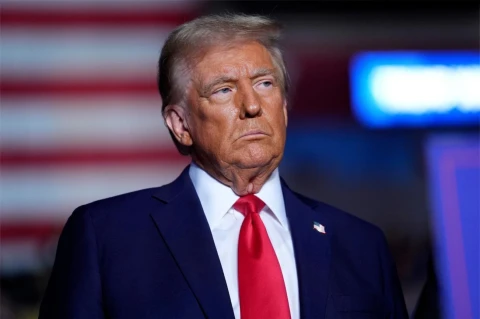
President Donald Trump's administration is tightening immigration controls not only for illegal immigrants, but also for foreigners entering the US legally, AP reports.
The State Department recently temporarily suspended the issuance of immigrant visas in order to familiarize consular officers around the world with new requirements for the "state burden." They allow taking into account the likelihood that a prospective immigrant will become dependent on state social programs.
According to a State Department spokesperson, the suspension began in early August and is expected to last until early or mid-September. The restriction primarily affected US visa applicants whose interviews were scheduled for August. The appointments were not canceled; they will simply be moved to September, October, or November.
This move could affect foreigners applying for immigrant visas outside the US, including those seeking to join spouses, parents, children, or siblings of US citizens. At the same time, some work visas are exempt from this suspension, since their recipients can prove income and are not considered recipients of social assistance.
In parallel, the Trump administration is preparing to revoke about 200,000 B1/B2 tourist and business visas issued between 2016 and 2026. These are foreigners who have sought asylum in the US or intend to do so.
If the decision is not appealed or reversed, the State Department could announce this in the coming weeks. According to the AP, this could be the largest mass visa revocation in US history. However, this visa revocation should not affect foreigners already in the US and who have applied for asylum.
The right to stay in the country is determined by the application review procedures, not tourist visas. According to experts, the planned actions reflect the Trump administration's overall strategy, aimed at reducing the number of people allowed to enter the US.
Also, the administration has restored rules under which a foreigner can be denied a residence card (green card) if the authorities find that this person is likely to become dependent on US social programs such as food stamps, Medicaid, or housing subsidies.
The new measures could lead to legal proceedings. More recently, the Trump administration had already imposed restrictions on issuing visas to citizens of 75 countries, including Armenia, but in mid-August, a US court overturned them.