make preferable
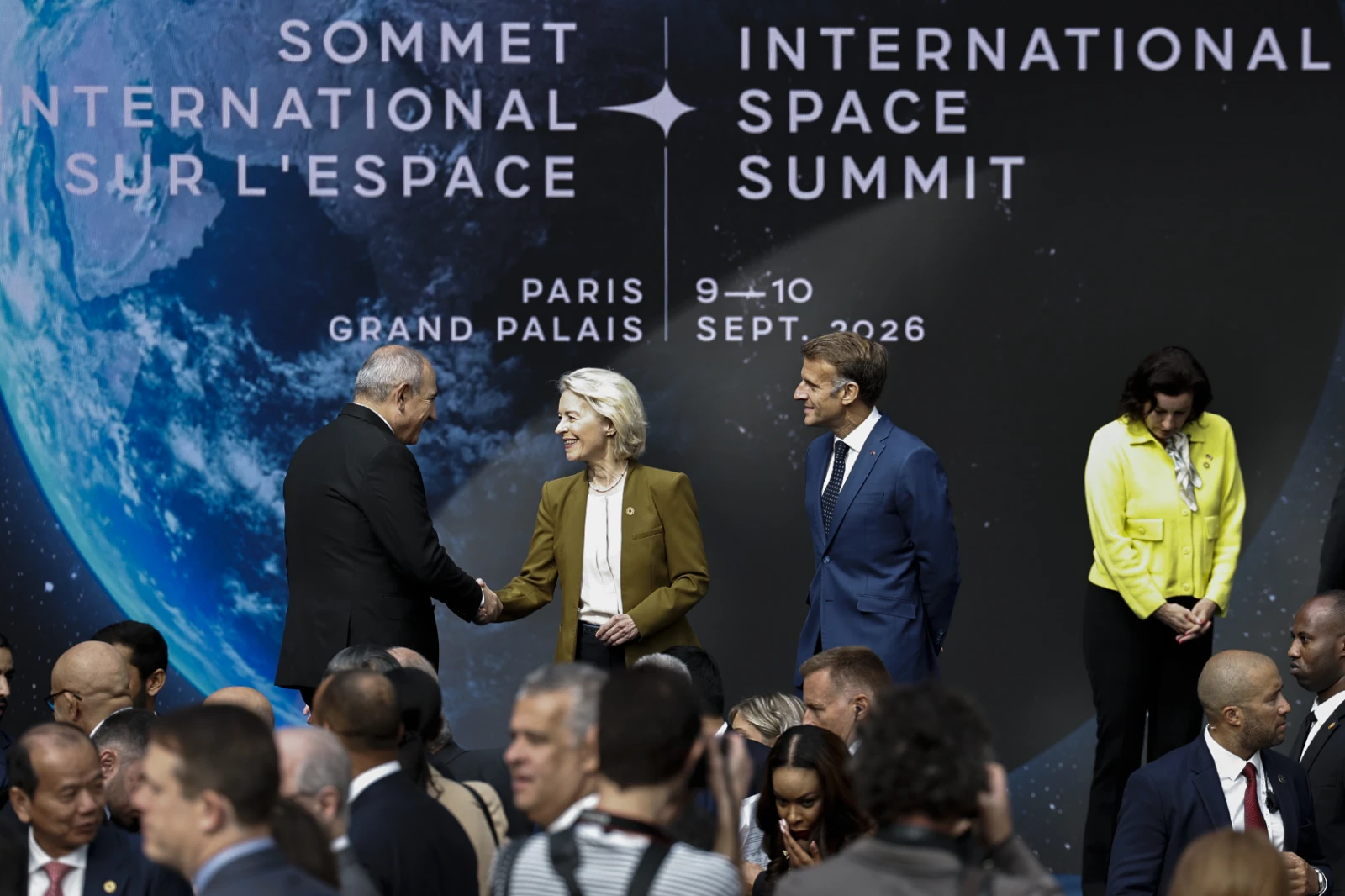
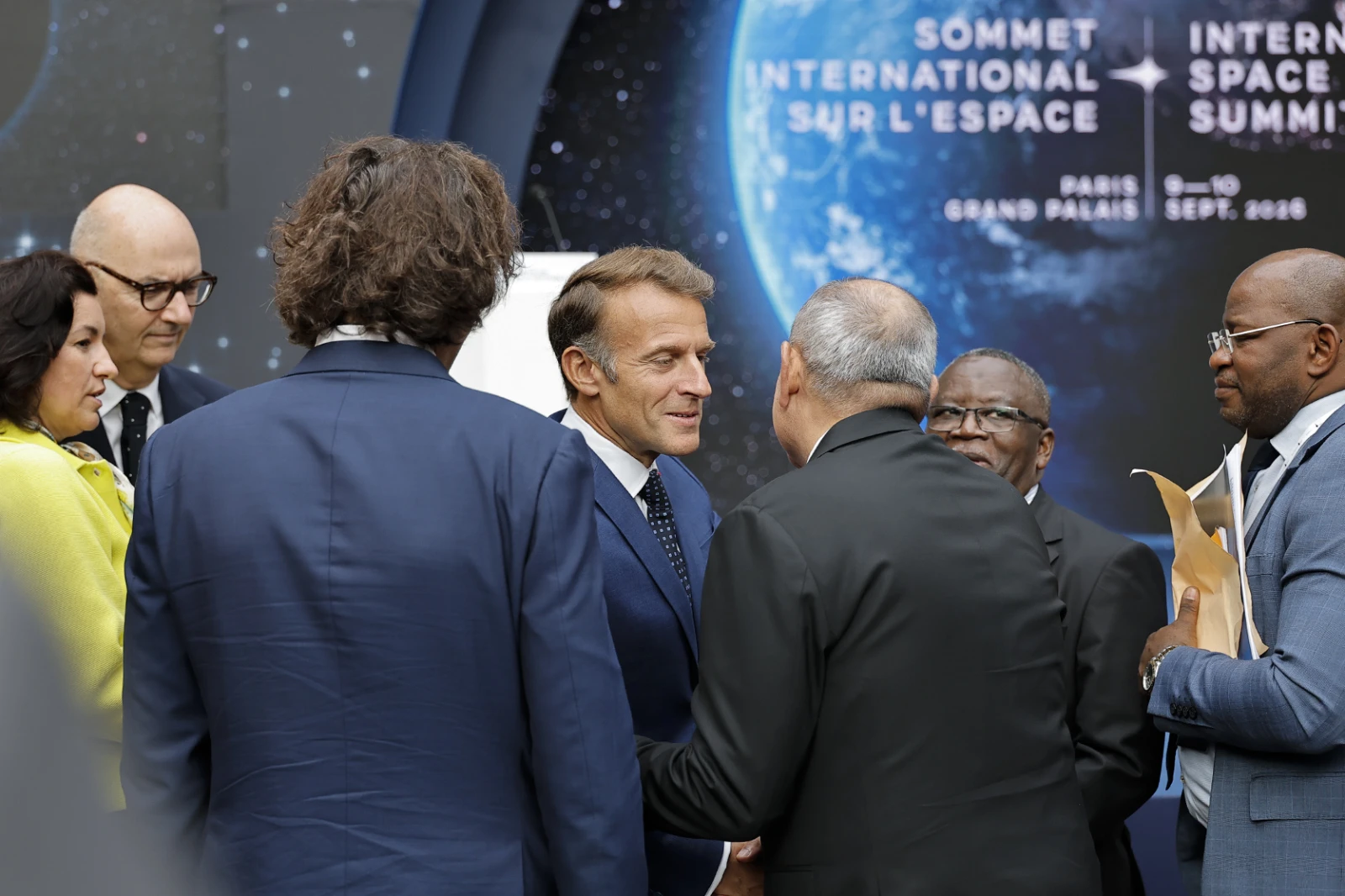
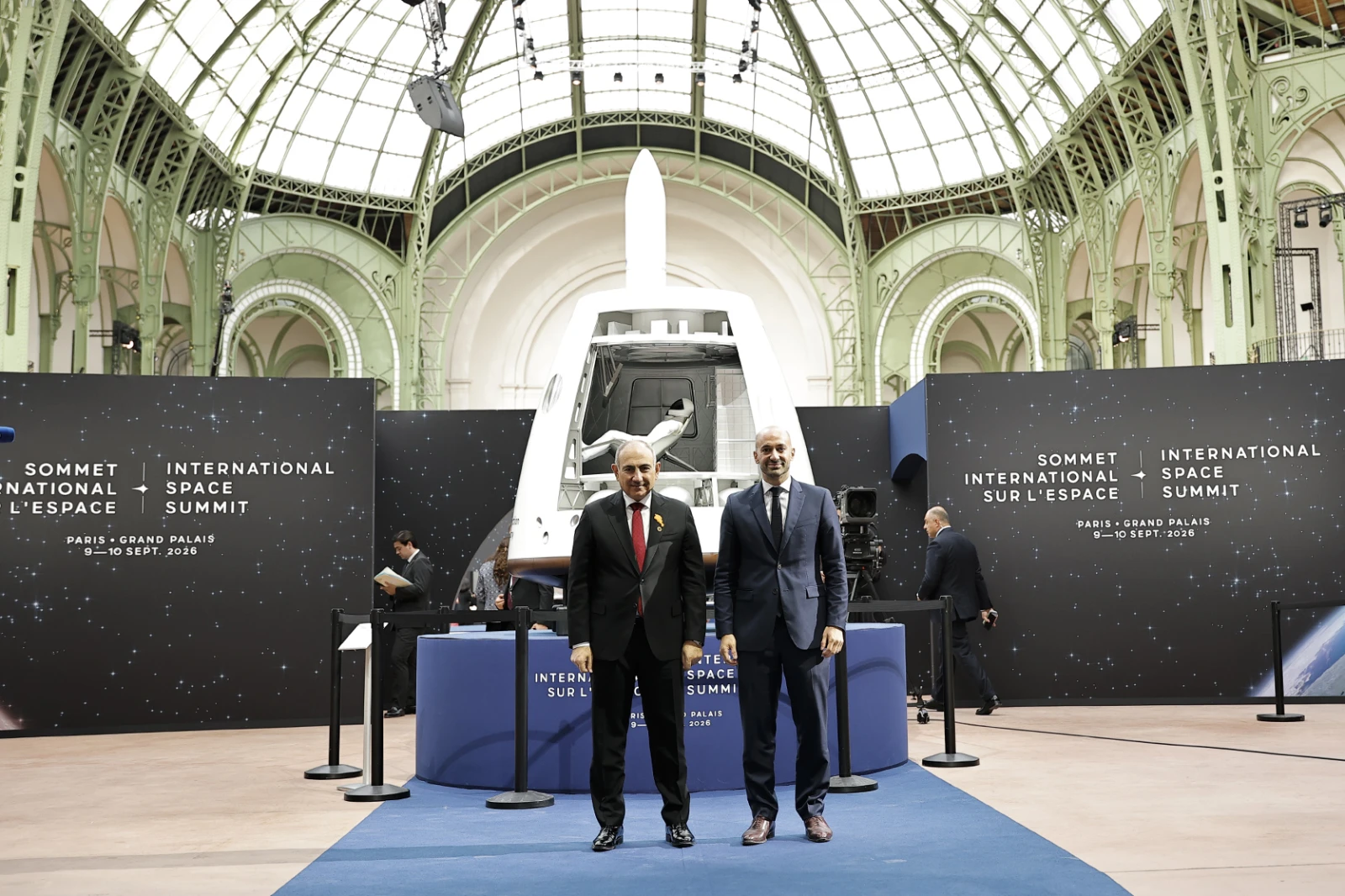
Armenia has entered a new stage in the development of its national space capabilities. Armenian Prime Minister Nikol Pashinyan stated this in his address Thursday at a panel discussion held within the framework of the International Space Summit in Paris.
Below is a transcript of the Armenian PM’s speech.
“At the outset, I would like to extend my gratitude to the Government of France and President Macron personally for the warm welcome and for convening this remarkable International Space Summit.
Dear guests, Armenia has entered a new stage in the development of its national space capabilities. In 2022, Armenia launched its first satellite, Armsat-1, developed with European technology and launched into orbit by SpaceX.
Just one year later, we reached another milestone with Hayasat-1, the first Armenian satellite fully assembled and tested by Armenian specialists.
The Government Program of Armenia for 2026-2031 identifies Armenia’s intention to operationalize at least three satellites, two for Earth observation and one for telecommunications, while developing sovereign ground-based infrastructure and domestic capacity for satellite command and control, data reception, processing and analysis.
Looking ahead, Armenia aims to participate more actively in international space programs, enabling Armenian engineers and companies to contribute to the design, engineering and manufacturing of complex systems and equipment for space exploration.

At the same time, the Strategic Program for the Development of the Science Sector for 2026-2031, among others, identifies space technologies and aerospace as a strategic priority.
Armenia also acknowledges the growing convergence between space and AI. In this context, we are developing a broader national concept of Garden of AI Factories, aimed at creating an ecosystem of advanced computing and AI capabilities to support research, innovation and technological development across sectors.
In this regard, I am pleased to inform you that the Firebird AI Factory, developed in cooperation with NVIDIA, has recently been inaugurated in Armenia.
The Academic City, which Armenia is currently developing as a new academic and research ecosystem, will be another important component of this transformation. By bringing together universities, research institutions, students, researchers, international partners and the private sector, we intend to create stronger links between education, science and industry, and provide an environment for advanced research and technological development.
Dear guests, dear participants, we believe that the expansion of the global space economy should be accompanied by broader access to its benefits. Countries with emerging space capabilities should have opportunities to participate not only as users of technologies and data, but increasingly as contributors to research, innovation and technological development.
In conclusion, I would like to reiterate Armenia’s commitment to investing in science and human capital and strengthening international partnerships to ensure that space, science, technology and data contribute to sustainable development and a better future for humanity.”