make preferable
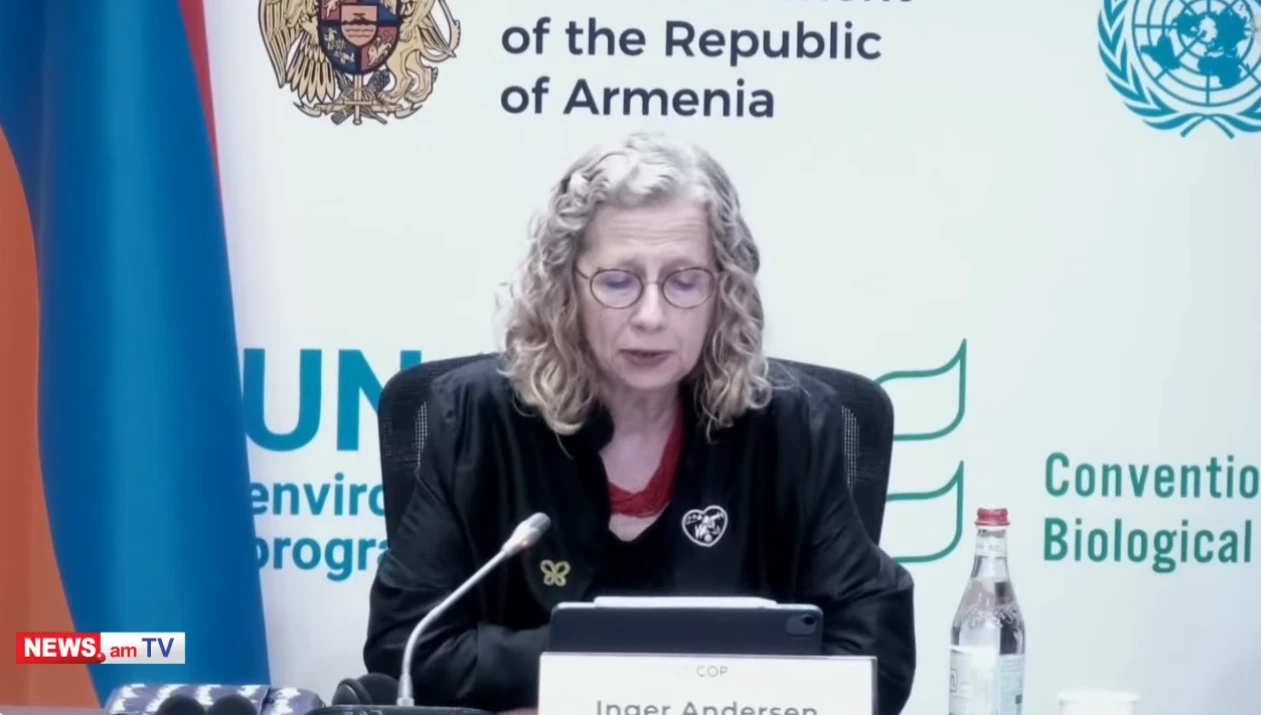
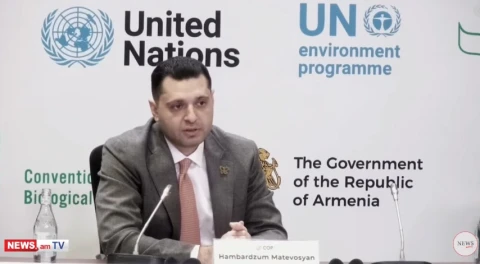
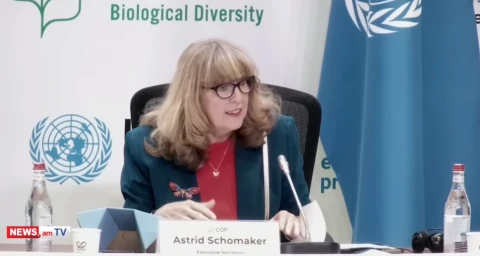
To combat biodiversity loss, it is necessary to ensure increased financial flows and unite efforts within the framework of multilateral cooperation. UN Under-Secretary-General, Executive Director of the United Nations Environment Programme (UNEP) Inger Andersen on Monday stated this at a press conference in Yerevan.
According to her, the 17th meeting of the Conference of the Parties (COP17) to the UN Convention on Biological Diversity, being held in Yerevan, is being held against the backdrop of large-scale geopolitical changes taking place around the world, but the first week of COP17 has shown that multilateral cooperation in environmental protection continues to yield results.
According to the head of UNEP, deepening cooperation between international conventions is not just a fashionable term, but a necessary condition for attracting coordinated actions and an amount of financing commensurate with current challenges. Andersen drew attention also to the conclusions of the latest UNEP report on the emissions gap.
According to her, the document reflects the seriousness of the climate situation: limiting global warming to 1.5 degrees Celsius is becoming unattainable, and even limiting warming to 1.7-1.8 degrees will have extremely serious consequences for biodiversity.
She stressed that unprecedented joint action, starting with financial support, is needed to prevent the most severe consequences of the crisis. Andersen supported the COP 17 Armenian presidency’s call to increase financial flows for nature conservation.
She noted that work on mobilizing resources is accelerating, including through the third day of finance ministers and the first dialogue led by the Armenian finance minister. In addition, according to her, the Kunming Biodiversity Fund meeting took place in the morning, which approved a package worth $21 million for the implementation of projects through 2026.
According to her, innovative, targeted, and effective funding mechanisms are needed that will enable to combat the causes of biodiversity loss. The consequences of the degradation of natural ecosystems affect every community, every ministry and every business, and the threats associated with it are already manifesting themselves.
Andersen noted that the COP17 is distinguished by a particularly ambitious and rich agenda. In her assessment, among the conferences dedicated to biodiversity that she has participated in for many years, the current one is one of the most large-scale in terms of the scope and level of engagement of issues.
She called on ministers and participants in the talks to focus on solving the most complex issues, including the mobilization of necessary resources, digital sequencing, and other topics of the global summary assessment.
Andersen expressed confidence that COP17, with the support of the Armenian presidency and the Secretariat of the Convention on Biological Diversity, will provide an opportunity to lay the foundation for the implementation of these goals if all parties act together.