make preferable
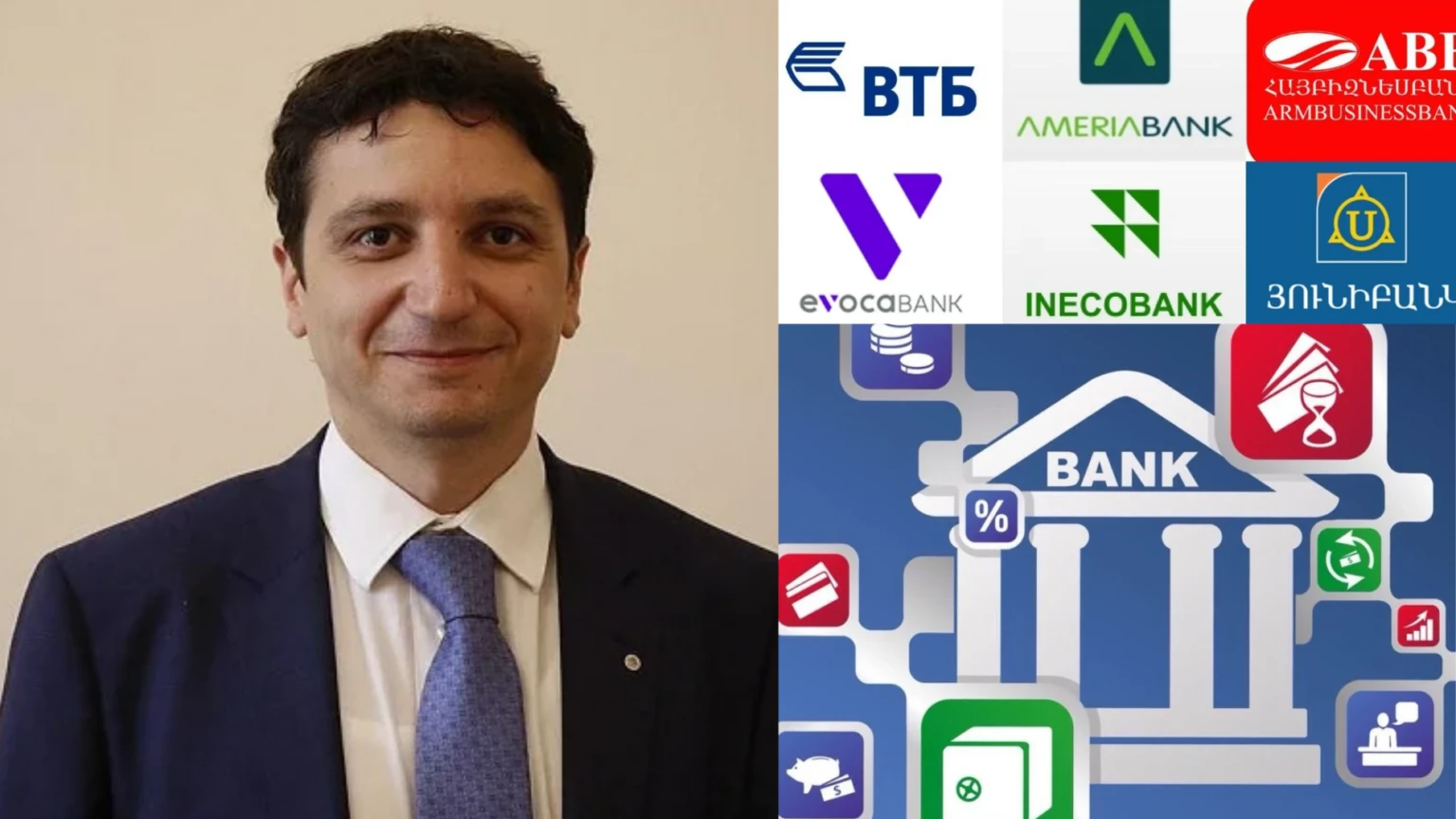
The Zhoghovurd daily of the Republic of Armenia (RA) writes as follows, in particular: In July of this year, we had presented an analysis where the questions raised not only did not receive answers, but also gave rise to new questions.
It was about a gift declared in the name of RA Minister of Finance Vahe Hovhannisyan with an estimated value of 567 thousand 463 drams; a flight to London on a private jet. The gift was provided by Ameriabank CJSC within the framework of an event organized on the occasion of the inclusion of the bank's parent company, Lion Finance Group, in the leading (FTSE 100) index of the London Stock Exchange. (...).
Trying to conduct a more in-depth study, we uncovered the decisions taken by the Government [of Armenia] at the suggestion of the Ministry of Finance over the past year, and the picture gradually began to come together like a puzzle.
(...)
Thus, an unequal situation and tax regime has been created between the Armenia shareholders of banks and foreign shareholders. Moreover, this difference does not concern only shareholders, this difference concerns banks themselves, because shareholders will demand from banks to ensure a certain level of profit, regardless of the taxation regime, in the form of net profit. Just as any citizen expects, upon employment, a net salary level after certain salary tax.
On the other hand, no one doubts that the [Armenian] Ministry of Finance, when developing this legislative initiative, did not know what kind of tax difference it was creating. Somehow, but the specialists of the Ministry of Finance itself are considered the most knowledgeable in the field of taxation.
In that case, why did the Ministry of Finance take this step?
Thus, the public gets a very justified reason to doubt: did the RA Minister of Finance’s expensive voyage to Great Britain bring him human obligation, or is it about manifestation of corruption?
According to our information, the issue has already reached the RA Prime Minister [Nikol Pashinyan], because banks that have Armenian shareholders have raised their voices in protest. The RA Minister of Finance tried to justify himself by noting that although foreign shareholders in the RA will not pay taxes or will pay a 5% tax, these investors will still have to pay the profit tax of that country in their countries, and an uneven field has not been created in terms of taxation. This explanation is very superficial, and the RA Minister of Finance is well aware that in a large part of foreign countries there is a certain tax privilege. A number of countries do not include profits received in other countries in the calculation of the taxable base in their country.
If the RA Minister of Finance fails to implement this option, the RA Law on the Protection of Foreign Investments, which was adopted back in the [19]90s for [Armenian businessman] Vatche Manoukian and HSBC Bank, will be mentioned as a backup option. According to this law, any unfavorable tax change for a foreign investor will come into force only after 5 years. (...).