make preferable
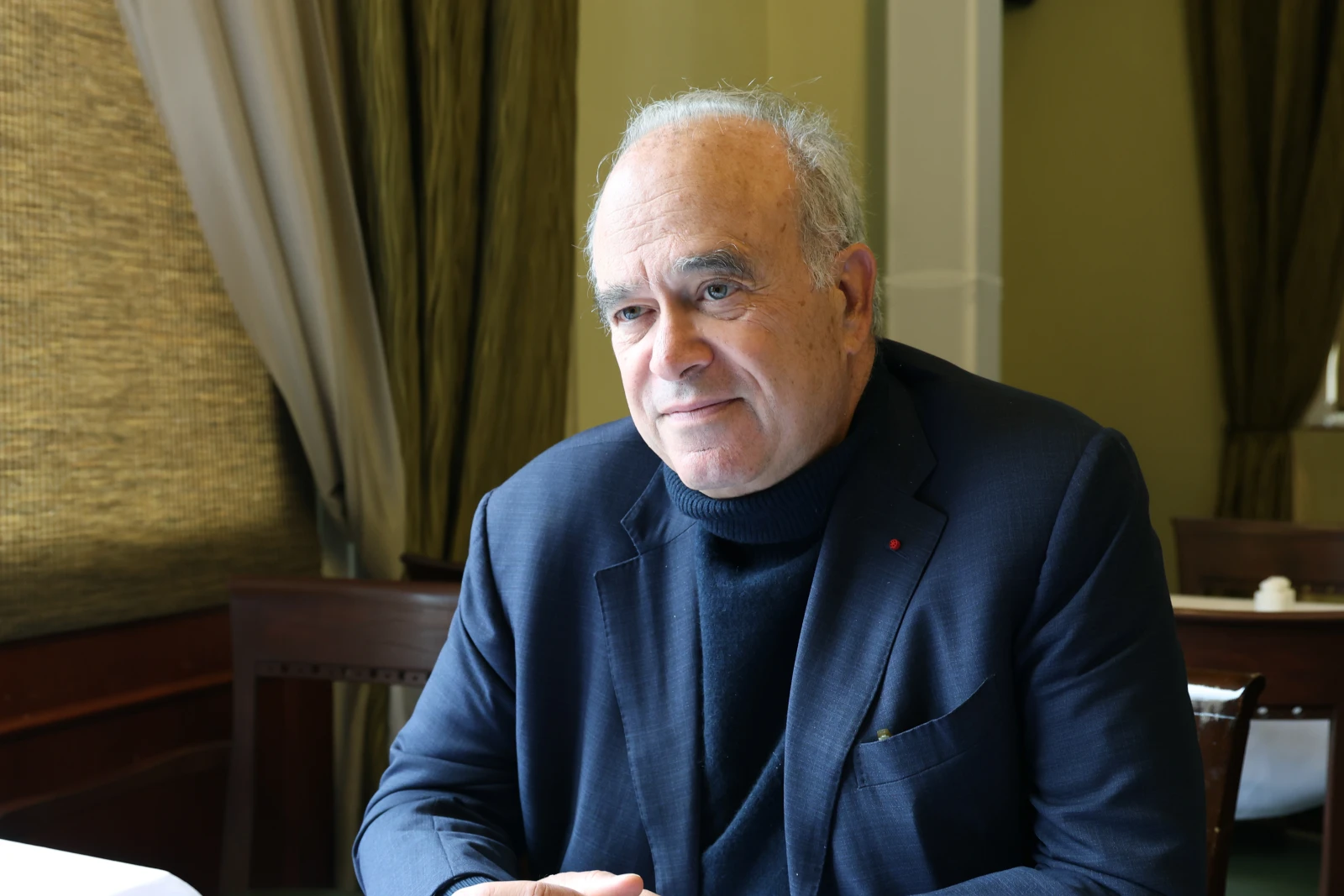
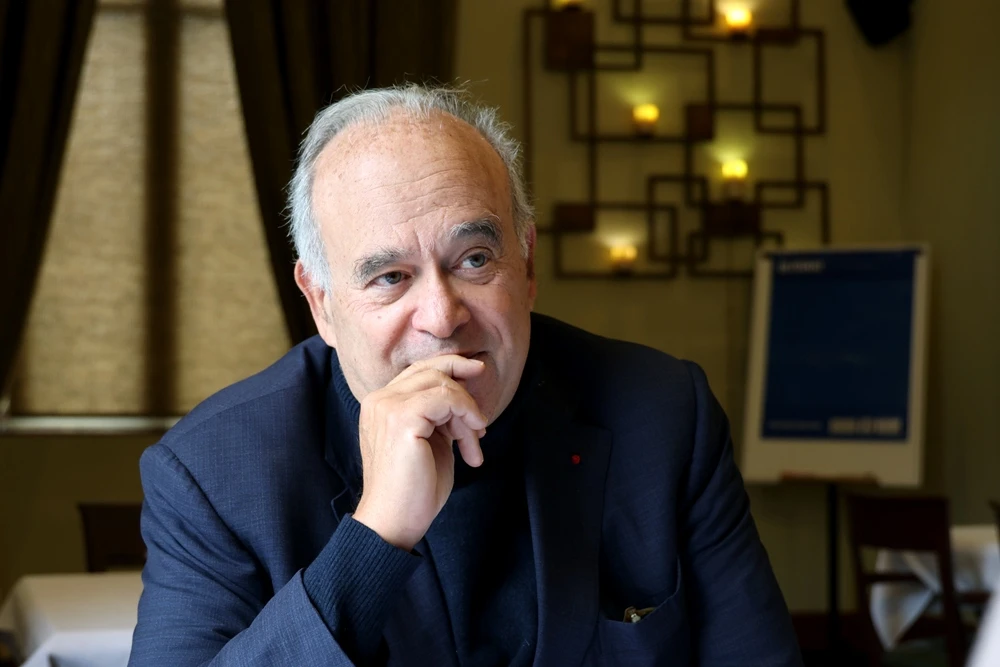
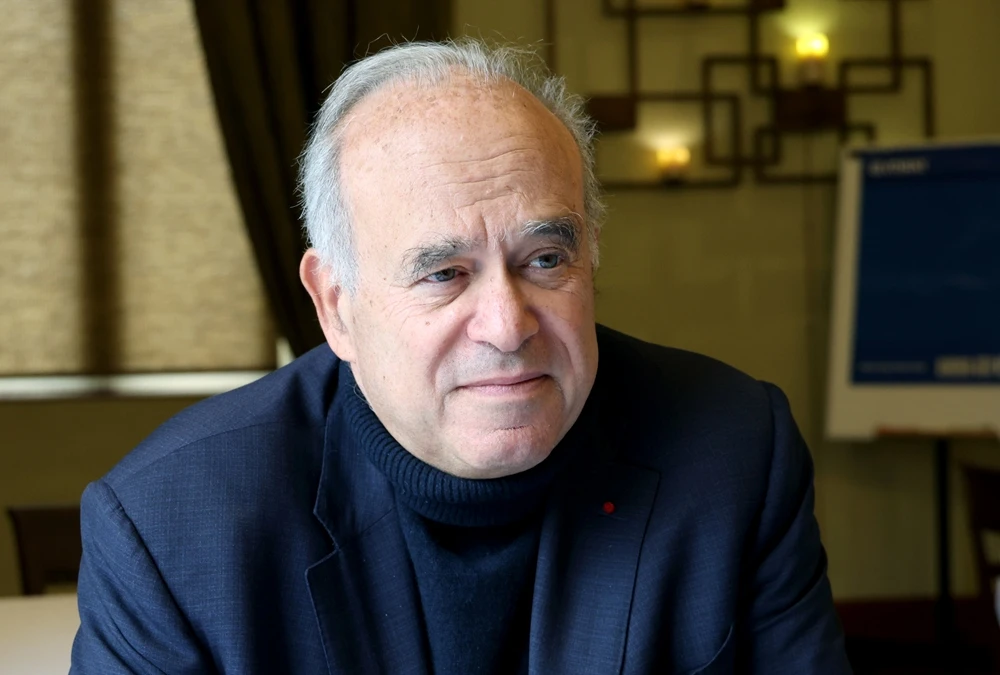
Over the past five decades, medicine has made enormous strides in oncology. Immunotherapy and targeted drugs have emerged, radiation therapy has become more precise, and surgical procedures have grown less invasive. Yet alongside advances in treatment, prevention must play a major role in the fight against cancer. Preventing the disease spares people suffering and the burden of intensive treatment, while also reducing pressure on healthcare systems. This view was expressed in an interview with NEWS.am Medicine by Professor David Khayat, a renowned French oncologist, former head of the Department of Medical Oncology at Pitié-Salpêtrière Hospital in Paris, and the first president of France’s National Cancer Institute.
According to Khayat, nearly half of all cancer cases are linked to lifestyle factors that people can influence themselves.
Nearly Half of All Cancer Cases Can Be Linked to Lifestyle
Throughout his career, Khayat has not only treated patients but also helped shape France’s cancer policy. He was also one of the founders of the Charter of Paris Against Cancer, an international initiative aimed at fostering cooperation in cancer prevention, research and treatment.
Over the years, the physician said, he had come to the conclusion that prevention could do far more good than attempts to tackle a disease once it had developed. Treatment is essential to give patients a chance of recovery and, for those who cannot be cured, to help them live as long as possible with a good quality of life. But preventing the disease means avoiding not only suffering but also intensive treatments, including chemotherapy, radiation therapy and surgery.
Khayat noted that some of the most significant risk factors for cancer in both Armenia and France include smoking, poor diet, alcohol consumption, insufficient physical activity, obesity and failure to get vaccinated against human papillomavirus (HPV).
In his assessment, nearly half of all cancer cases are associated with people's behavior and lifestyle. This means that the idea of cancer as an inevitable accident or a matter of “fate” does not reflect reality in many cases: some of the risks can be reduced.
This is the focus of a field known as lifestyle medicine. It aims to prevent noncommunicable diseases, including cancer, cardiovascular disease and other chronic conditions, by changing everyday habits.
Why Radical Changes Don't Work
Khayat believes prevention should be based not on prohibitions and rigid demands, but on gradual changes in behavior and lifestyle.
“People generally find it difficult to change their habitual lifestyle, and attempts to force someone, for example, to quit smoking immediately or start exercising intensively three times a week rarely lead to lasting results,” the specialist said.
In his view, rather than telling someone who has previously been almost entirely inactive to exercise for an hour three times a week, it is better to suggest starting with five minutes of exercise three times a week. After a month, they can increase the duration to ten minutes. This makes it much more likely that exercise will eventually become a lasting part of their lifestyle.
The same principle applies to other everyday habits. Someone who usually takes the elevator could start by walking up just one flight of stairs. Someone who takes the bus to work could get off one stop earlier and walk the remaining 200 meters.
According to the physician, small changes like these are much more likely to stick than a radical lifestyle overhaul that people will probably abandon after a week or two.
Education and accessible medical solutions also have an important role to play. For example, GLP-1 drugs are already being used to treat obesity and are highly effective when prescribed to patients for whom they are indicated. However, medication does not eliminate the need to address diet and physical activity.
As for smoking, completely quitting is, of course, the most effective way to reduce the risk of developing a range of cancers. But when quitting is difficult, the physician believes it is important to adopt a harm-reduction approach by offering less risky alternatives to people who cannot give up the habit entirely.
New Treatments Do Not Eliminate the Need for Prevention
Over the course of his 50-year career, Khayat has witnessed sweeping changes in oncology. When he began practicing medicine, doctors had only three or four chemotherapy drugs at their disposal. Radiation therapy caused severe tissue damage, and surgeons often had to resort to amputations and extensive operations.
Today, the situation has changed dramatically. Immunotherapy and targeted drugs have become available, radiation therapy is more precise and causes fewer side effects, and many surgical procedures are now performed using minimally invasive techniques.
The oncologist stressed that physicians have a duty to keep up with scientific advances and offer patients the most effective treatments available. In his experience, medical oncology is particularly receptive to new approaches: it is a relatively young and rapidly evolving specialty in which immunology and genetics are playing an increasingly important role.
However, progress in treatment has a downside: cost. New cancer drugs are extremely expensive, and in the future, governments may find it increasingly difficult to ensure that all patients have equal access to the most effective therapies.
This is precisely why prevention matters not only from a medical perspective but also economically. If some cancer cases can be prevented, the financial burden on healthcare systems will also decrease.
But this presents a political and budgetary challenge: investment in prevention does not produce immediate results. According to the physician, it may take around 20 years for a decline in cancer incidence to translate into a noticeable reduction in treatment costs. During that entire period, governments will have to fund both prevention programs and existing cancer care systems.
Why the Results of Prevention Are Harder to See Than the Successes of Treatment
Khayat served for five years as an adviser to French President Jacques Chirac, an experience that allowed him to assess the issue not only from a medical perspective but also at the level of government. He believes countries need to devote considerably more attention to prevention, despite the challenges of long-term planning and funding. At the same time, he acknowledges that preventive medicine has one particular feature: its successes are much harder to see and feel than the results of treating individual patients.
“People often ask me why I take the deaths of patients I have been unable to save so hard, and why I don't feel the same joy for those I have managed to cure. The reason is that saving a person's life has no sound, no smell and no visible trace. One day, a patient simply stops coming to see you because they have recovered. And that is wonderful - for both the patient and the doctor. But you never hear from them again,” he said.
A patient's death, by contrast, stays with a doctor for years: the specific day when the news arrived, the family members who come into the office with tears in their eyes, and the need to tell loved ones that their relative could not be saved.
“When you lose a patient, you always remember the day you were told they had died. Death has a date, a smell, an image. Recovery, on the other hand, is simply the absence of someone who no longer needs your help,” Khayat explained.
Something similar happens with prevention: when a disease has been prevented, the doctor will never meet the person who might otherwise have become their patient. The result can only be seen in statistics — for example, in a decline in the number of new cancer cases.
That is why, the oncologist believes, prevention requires not only medical knowledge and resources but also a long-term, patient approach on the part of governments. Its success may not be apparent in individual human stories, but behind declining cancer rates are thousands of people who have been spared a devastating diagnosis.