Preferred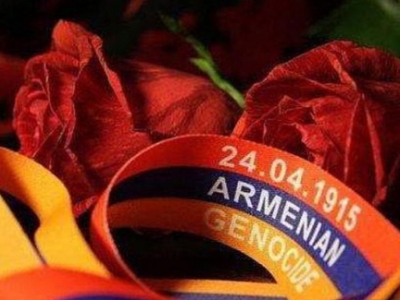
Acknowledgement of the crimes against the Armenians, voiced by the German President Joachim Gauck are even more significant after many years of silence, Hans-Lukas Kieser, History Professor at Zurich University, wrote in a German historical edition of Zeitgeschichte. The article reads, in part:
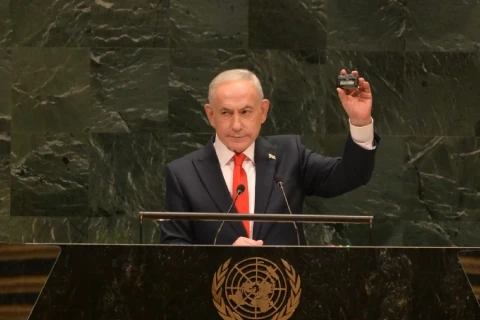
“On the Holocaust Commemoration Day in 2015, Israel President Reuven Rivlin started his speech at the UN plenary session with a mention about the 100th anniversary of the murder of Armenians. In April, Germany’s President Joachim Gauck went even further. He called the crime by its name and mentioned about the sufferings of the Christians in the Middle East and Mesopotamia.
And he did this for a serious reason: Germany needs to expand the horizon of the historical memory.
There was a time when the political leadership of Kaiser Germany decided to ignore the exterminations of Armenians and refused to help them.
Germany’s responsibility starts from the time when it ignored the plans of the Young Turks before the war. At the same time, Germany began to concentrate its military force and command in support of the Turkish military operations. Starting from March 1915, the defense of Constantinople directly depended on the German command and military experts. But Germany in no way interfered with the crimes committed against the Armenians.
German politicians and diplomats were silent about these crimes for decades; they didn’t speak out against the lie over the 1915-16 events.
Many others, starting with doctor Johannes Lepsius in 1915, behaved otherwise. But even that brave publicist was not ready to openly recognize the responsibility of the Kaiser regime for the Armenian Genocide.
Against this background, recognition and calling a spade a spade is even more significant today, so that the “appeasing and healing power of the truth,” as Lepsius put it, can prevail.”