make preferable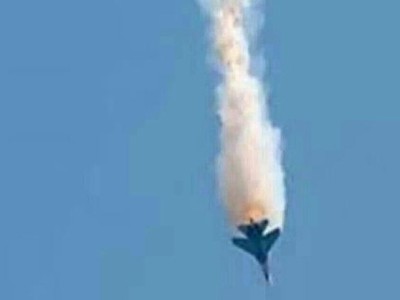
The incident at the Syrian Turkish border does only further underline the problems of forming a lasting coalition between the West and Russia against the ISIS, Gunter Walzenbach, a senior lecturer at the University of the West of England, Bristol, told in an interview with Armenian News – NEWS.am correspondent.
However, according to him, it has not created repercussions that would now exclude a more focused cooperation on ISIS.
“After the terrorist attacks in Paris and the downing of a Russian Airbus over Sinai there is movement in the international diplomacy surrounding the military conflict in Syria and the activities of Islamic State. Sparked by a presentation of Russian President Putin at the United Nations and fuelled by speculations around the recent G-20 meeting in Turkey, Russia and the West are talking again and seem to have their eyes set on a joint approach to defeat Islamic extremism in the Middle East. The references to the World War II alliance against fascism, to a ‘new grand strategy’ and a ‘single anti-terrorist coalition’ create the impression as if there are solutions ready at hand to bring to justice a commonly identified enemy,” the expert said.
But, according to him, on the ground, in Syria and elsewhere, things of course may look differently. “All too obvious are the historical parallels with the US American war on terror or Russia’s experiences with the wars in Chechnya. Few people believe that bombing suspected strongholds of ISIS militants is sufficient and wonder what else can be done; cutting off Iraqi oil supplies or supporting Kurdish resistance fighters, for example. It is not easy to build regional alliances in the Middle East even if global actors find themselves in basic agreement and exclude the future of Bashar al-Assad in their deliberations, at least for the time being,” Gunter Walzenbach noted.
Some hope for useful lesson-drawing may come from President Hollande’s decision to draw on the EU’s own fairly new solidarity mechanism in times of heightened internal crisis and to discuss matters in the European Council first. “Diplomatic history tells us that it makes sense to circumvent controversial issues and specific national interests in negotiations for the sake of working compromises. With this in mind we are not looking in the current situation as much towards the formation of another historic coalition in search of massive retaliation, but more towards a concerted, better orchestrated and co-coordinated effort to achieve a purposeful and adequate military response to dreadful events,” he concluded.