Preferred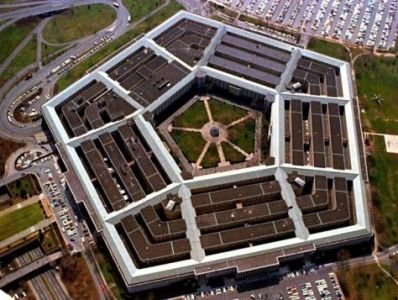
The Biden administration is facing a conundrum as it rethinks the location of the US military all over the world, AP reported.
Defense Secretary Lloyd Austin ordered a multi-month review of the global position just days after taking office. He will assess how the US can best organize and support its extensive network of troops, weapons, bases, and alliances to support President Joe Biden's foreign policy.
The review is part of the administration's efforts to pave the way for the military who are still involved in decades of conflict in the Middle East, facing fixed or shrinking budgets, and grappling with internal issues such as racism and extremism.
Its outcome could have a lasting impact on the military's top priority: ensuring their readiness for war in an era of uncertain arms control. Relations with allies and partners are also at stake, weakened in some cases by the Trump administration's approach.
Like the Trump administration, Biden's national security group views China, not violent extremists such as al-Qaeda or ISIS, as the No. 1 long-term security threat. Unlike his predecessor, Biden sees more value in the US commitment to European countries in the NATO alliance.
This could lead to significant shifts in US military policy in the Middle East, Europe, and the Asia-Pacific region.
It could also signify Biden's acceptance of recent military command efforts to find innovative ways to deploy forces outside of permanent bases. A recent example is the visit of a US aircraft carrier to a Vietnamese port. Commanders see value in deploying forces in smaller groups on less predictable cycles to throw China off-balance.