make preferable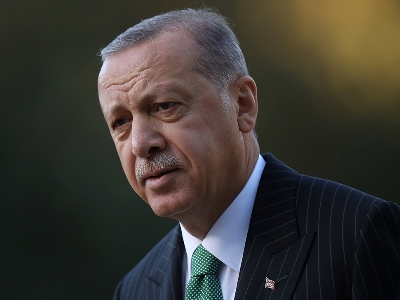
Turkey's efforts to normalize relations with Armenia and Israel represent a tactical shift in diplomacy rather than a value-based commitment to cordial relations, said Aykan Erdemir, senior director of the Foundation for the Defense of Democracies (FDD) Turkish program in Washington.
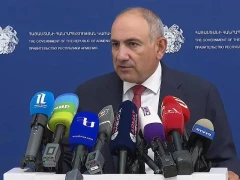
Turkey and Armenia have appointed special envoys to restore diplomatic relations interrupted since the early 1990s and open a common border. They held their first meeting in Moscow on 14 January.
Israeli President Isaac Herzog may visit Ankara next month after Israel cautiously welcomed Turkey's calls to repair relations torn apart by disagreements in regional politics and the Palestinian issue.
Erdogan hopes that his work with Israel and Armenia will have a big impact on what he sees as a very effective lobby, namely the Armenian and Jewish lobby in Washington and the US in general, Erdemir said on the Ahval podcast.
According to him, Erdogan hopes that this can be a quick solution to Turkey's problems, Erdemir said.
The Turkish approach is very naive, he said, because it does not take into account the complexities of policymaking in Washington.
The tactical shifts of the Erdogan government, based on a very naive and simplistic understanding of how complex foreign and security policy decisions are made in the United States, and I think will continue to create obstacles to the development and implementation of their policies, Erdemir said.
According to Erdemir, Turkey's attempts to normalize relations with Armenia and Israel are based on President Recep Tayyip Erdogan's models of establishing contacts with Egypt, then with the United Arab Emirates and finally with Saudi Arabia.
Erdemir noted that Turkey's diplomatic efforts in the region are based on the following main factors. First, Erdogan acknowledged that Turkey is becoming increasingly isolated in the eastern Mediterranean, which poses both a diplomatic and a military problem. Turkey is also seeking to expand its access to export markets and attract more investment from abroad, especially from the Gulf states, after the financial crisis.
Ankara believes that the international perception of its conflicts with Armenia and Israel undermines its image and diplomatic influence in both Washington and Brussels, so it also hopes that normalization efforts will serve to bolster Turkey's soft power and reduce the diplomatic deficit in both capitals, Erdemir said. .