make preferable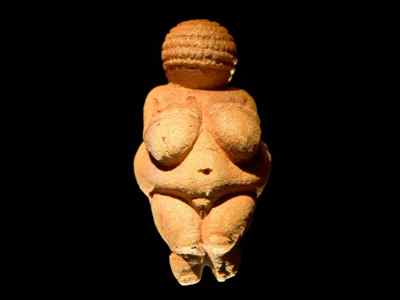
The 30,000-year-old Paleolithic figurine of Venus from Willendorf is one of the most representative examples of ancient human art in Europe.
The height of the figurine, found in 1908, is 11 centimeters. It was made from oolite, a stone that does not exist and has never been in what is now Austria.
However, scientists using the latest research methods managed to find out where the standard of femininity of the Stone Age originates from, according to the Archeology News Network portal.
Scientists led by anthropologist Gerhard Weber from the University of Vienna and two geologists, as well as historian from the Museum of Natural History in Vienna, conducted a tomographic study of the figurine.
The task of scientists was to find out where the oolite from which Venus is made comes from and, possibly, to suggest how the material got to the territory of Willendorf.
Usually the figures of Paleolithic Venuses were made from ivory or the bones of other animals; stone was rarely used for this purpose. However, the oolite turned out to be a more advantageous material from an artistic point of view.
Tomographic analysis showed that this material is heterogeneous, since it has different density and composition. Inside the figurine were several fossilized remains of shells and large, dense areas called limonites. Most of the material is porous and very easy to process.
Thanks to the analysis of fossilized shells, scientists were able to find out that this stone could have formed only in northern Italy during the Jurassic period. All other deposits of oolite known in Europe were formed much later, in the Miocene.
The material mined in the southern part of the Alps has come a long way to the Danube. Given the pace of migration and the peculiarities of the settlement of people in Europe at that time, experts believe that this journey could last for several generations of people.
However, there is another version of the origin of the material for the Willendorf Venus. Similar deposits of oolites are located in the east of Ukraine, more than 1.5 thousand kilometers from the place where the figurine was found.