make preferable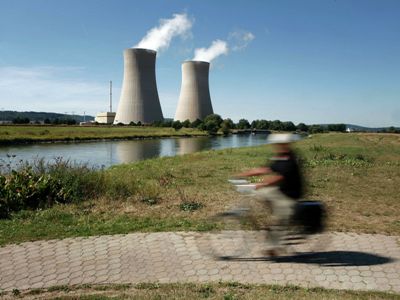
Germany dismissed hopes that extending the life of its remaining nuclear power plants would help reduce the country's reliance on energy imports from Russia, saying the costs and risks of such a move outweigh the limited benefits, Reuters reported.
Europe's largest economy late last month floated the idea of keeping nuclear power plants, the last of which due to close by the end of the year, as part of its energy mix to diversify away from dependence on Russia, which supplies most of Germany's natural gas.
The German ministries of economy and the environment said in a joint statement that they had considered both short- and medium-term scenarios to see if keeping nuclear plants could make a difference.
As a result of weighing the benefits and risks, extending the life of the three remaining nuclear power plants is not recommended, including given the current gas crisis, they said.
Germany's three nuclear power plants are operated by energy companies EnBW, RWE and E.ON.
In the wake of the Ukraine crisis, Germany has outlined changes to its energy system to reduce dependence on Russian gas, which accounts for two-thirds of Germany's natural gas imports. Alternatives are being considered, including more solar and wind power, liquefied natural gas (LNG) terminals, and gas and coal-fired power plants.