make preferable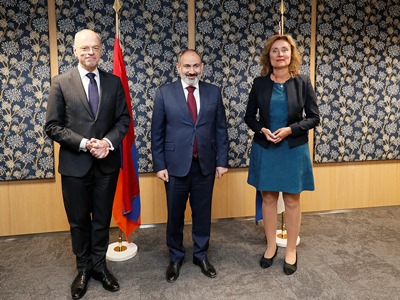
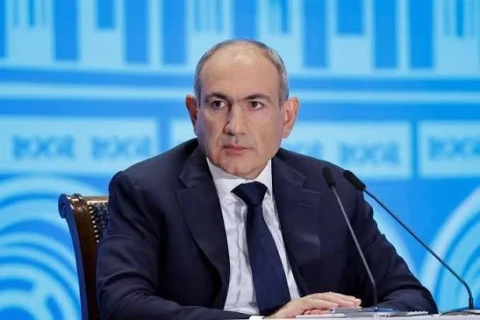
During his official visit to the Netherlands Prime Minister Nikol Pashinyan met with President of the Senate of the Kingdom of the Netherlands Jan Anthonie Bruijn and President of the House of Representatives Vera Bergkamp.
They welcomed the Armenian Prime Minister's official visit to the Netherlands and expressed confidence that it would promote the development of cooperation between the two countries in various spheres, including at the parliamentary level.
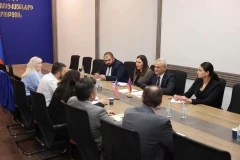
Armenian Minister of Foreign Affairs Ararat Mirzoyan, Minister of Education, Science, Culture and Sport Vahram Dumanyan, Minister of Territorial Administration and Infrastructure Gnel Sanosyan, Minister of Economy Vahan Kerobyan and Chairman of the NA Standing Committee on Foreign Relations Eduard Aghajanyan attended the meeting.
They highlighted the interest of their country in the development of interaction with Armenia, stressing the warm atmosphere in the country towards the Armenian people. In particular, they noted that the House of Representatives of the Netherlands had adopted a resolution on recognition of the Armenian Genocide. Both Jan Anthonie Bruijn and Vera Bergkamp welcomed the consistent steps undertaken towards democratic reforms in our country and added that the Netherlands is ready to contribute with its experience to their effective implementation.
Prime Minister Pashinyan noted that this is his first visit to the Kingdom of the Netherlands and expressed hope that it would give a new impetus to bilateral cooperation. The Prime Minister touched upon the reforms being implemented in Armenia and noted that the government will continue to consistently promote the agenda of reforms. Nikol Pashinyan thanked the leaders of the Senate and the House of Representatives of the Netherlands for the adoption of the resolution on the recognition of the Armenian Genocide and for the balanced position on the Nagorno-Karabakh issue.
Then the Prime Minister met with the members of the Committee on Foreign Relations of the two chambers of the parliament and answered a number of questions. They referred to the situation of Nagorno-Karabakh, Armenia-European Union relations, the processes going on in the South Caucasus and in the international arena.