make preferable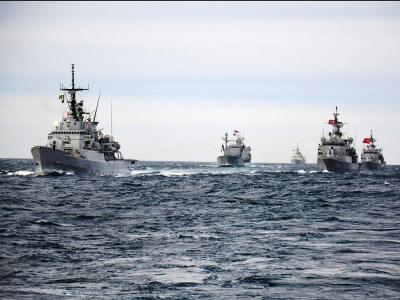
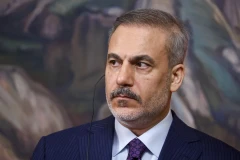
Turkey canceled or postponed some NATO exercises in the Black Sea due to the requirements of the Montreux Convention, Turkish Foreign Minister Mevlut Cavusoglu in an interview to Anadolu Agency.
Cavusoglu noted that the impact of sanctions is felt not only by those who impose the restrictions, or by the states against which restrictions are imposed, but also by many others.
"Turkey is located in a region where war is ongoing. Only the sea separates us from the conflict. Our country is also feeling the effects of sanctions, even though it did not support them. Russia is imposing retaliatory sanctions, restricting exports. This applies, for example, to exports of fertilizers, sunflower oil and grain," the minister said.
In addition, as we can see, the EU plans to reduce imports of Russian oil by 90 percent, which is reflected in the sixth package of restrictions. Restrictions are imposed on the banking sector and other sectors of the Russian economy. "As for Turkey, Ankara's position on this issue has been very clear from the very beginning: We are fundamentally against any form of sanctions. Turkey says it will support only restrictions imposed at the UN level. This is a principled position. Because in today's world, as we see it, every country can impose restrictions on the other. This applies not only to the Russian-Ukrainian war. It was so in the past, and it may be so in the future," the minister said.
"Second, Turkey is now making efforts to reduce tensions in the region. All sides welcome Ankara's steps. If Turkey supports sanctions, our country's role will be called into question...There are also Turkey's obligations under international law. We have started to apply the requirements of the Montreux Convention for military vessels. Turkey also keeps its airspace open. This is also our obligation," Cavusoglu added.
"To summarize, we did not support the sanctions. However, this does not mean that Ankara will allow restrictions to be circumvented through Turkey," the minister added.