make preferable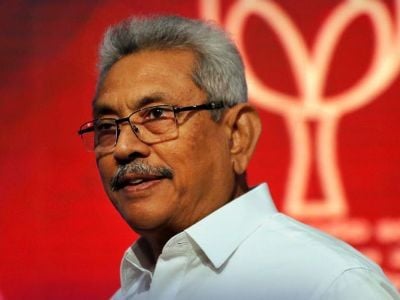
Sri Lanka’s President Gotabaya Rajapaksa has informed Prime Minister Ranil Wickremesinghe that he will resign, the prime minister’s office said on Monday, after tens of thousands of protesters stormed the official residences of both men, Reuters reported.
After Saturday’s sweeping protests in the wake of a debilitating economic crisis, the speaker of parliament said Rajapaksa would resign on Wednesday. However, there has been no direct word from Rajapaksa on his plans.
Wickremesinghe has said he would also step down to allow an all-party interim government to take over.
Leaders of the protest movement have said crowds would keep occupying the residences of the president and prime minister in Colombo until they finally quit office.
Colombo, Sri Lanka’s largest city, was calm on Monday as hundreds of people strolled into the president’s secretariat and residence and toured the colonial-era buildings. Police made no attempt to stop anyone.
Rajapaksa and Wickremesinghe were not in their residences when the protesters surged into the buildings and have not been seen in public since Friday. Their whereabouts are unknown.
Wickremesinghe’s private home in an affluent Colombo suburb was set on fire, and three suspects have been arrested, police have said.
Ordinary Sri Lankans have mainly blamed Rajapaksa for the collapse of the tourism-dependent economy, which was hammered badly by the Covid-19 pandemic and a ban on chemical fertilizers that was later reversed.
Government finances were crippled by mounting debt and lavish tax breaks given by the Rajapaksa regime. Foreign exchange reserves were quickly depleted as oil prices rose.
The country barely has any dollars left to import fuel, which has been severely rationed, and long lines have formed in front of shops selling cooking gas. Headline inflation in the country of 22 million hit 54.6% last month, and the central bank has warned that it could rise to 70% in the coming months.