make preferable
LTG Cargo, owned by Lithuanian Railways (Lietuvos gelezinkeliai), resumed on Friday the transit of sub-sanctioned goods between Russia and Kaliningrad, as provided by the guidelines promulgated by the European Commission, Interfax reported.
"According to the relevant regulations of the Council of the European Union and the EC guidelines, as well as the interpretations of the competent authorities, in accordance with the conditions for strengthening the control of transit goods stipulated in the EC guidelines, LTG Cargo will resume transportation from today, i.e. July 22," the company said in a statement to customers.
As it was reported on 13 July, the European Commission allowed Russia, with certain reservations, to transport subsanctioned goods by rail to and from the Kaliningrad region through EU territory.
The document states that the EU needs to ensure that transit is not used to circumvent sanctions. Transit of military and dual-use goods and technologies remains prohibited, regardless of the chosen method of transportation.
It was also reported that on 17 June came into force a ban on imports into the EU territory of Russian steel and ferrous metals, 10 July - cement, alcohol, wood products, glass, aluminum, paper products, plaster, ship parts. Since 10 August will come into force a ban on the transportation of coal and other solid fossil fuels, and 5 December - on Russian oil and petroleum products.
LTG Cargo specifies that rail freight volume will have to match the three-year average from January 2019 through the end of December 2021. The averages will be calculated for each commodity code separately, and applications will be rejected if their volume reaches the annual average.
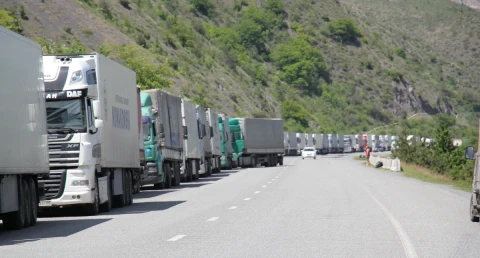
Goods previously transported by truck will not be included in the calculation of the transportation average.
Transportation of luxury goods specified in the guidance will not be resumed in transit until a separate clarification.
Lietuvos gelezinkeliai transported about 11.5 million tons of cargo in transit to and from Kaliningrad last year. Food products were transported the most (1.3 million tons).