make preferable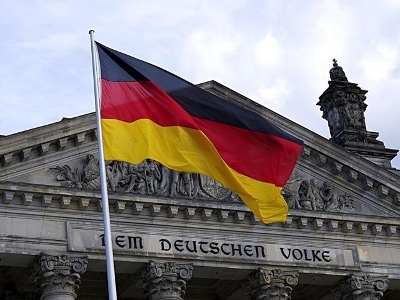
Germany is revising its plan to phase out nuclear power by the end of the year as concerns grow that cuts in Russian gasoline supplies could spark a winter power crisis in the country, the Financial Times reported.
A source close to the Greens leadership said the discussion concluded that all options should be on the table in the event of an energy crisis. One such option could be to extend the life of the Isar-2 nuclear power plant in Bavaria after its closure on 31 December.
He noted that a lifetime extension would only be possible for a few months, and any decision could depend on the results of the stress controls that are currently underway to determine whether the German nuclear power plant can continue to operate even with deteriorating conditions.
The test is forecast to show that Bavaria, in particular, may face problems with its electricity supply during the winter. This land, a key industrial center, has relatively little wind and photovoltaic power and is heavily dependent on gasoline and nuclear power.
Scholz's spokesman said the chancellor will further examine these findings before deciding on a course of action. The authorities will make a decision completely without ideology and without prejudice, the spokesman added.
The electricity shortage has forced the Scholz authorities to make decisions that run counter to typical Green policy, such as restarting several coal-fired power plants in Germany that are heavily polluting. His coalition has declared its desire to completely abandon coal vegetation, ideally by the end of the last decade.
Germany decided to phase out nuclear power in 2011 after the Fukushima disaster in Japan. All three operating nuclear power plants - Isar-2, Emsland and Neckarwestheim-2 - should be closed by the end of the year.
The authorities, made up of Scholz's Social Democrats, Greens and Liberal Free Democrats, are sticking to their timetable for phasing out the nuclear program even after the outbreak of conflict in Ukraine.
Green Finance Minister Robert Habeck argues that Russian gasoline was mainly used for home heating and trade, with nuclear fuel playing no role in either. In addition, the Greens are embarrassed that the three nuclear power plants accounted for only 6 percent of electricity produced in Germany in the first quarter, much less than gasoline - 13 percent.
But as many consumers switch from gasoline to other forms of energy, demand for electricity will rise, experts say, and nuclear power could help plug the hole in demand.
Pressure to rethink nuclear power is mounting both inside and outside the federal government, with the ruling party and opposition Christian Democrats demanding a delay for three nuclear plants.