make preferable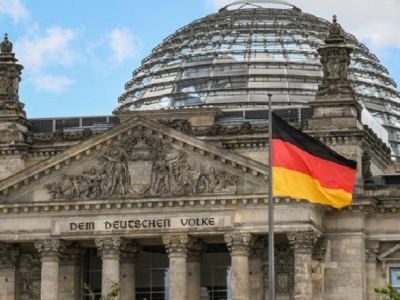
Berlin is struggling to make good on a promise to send old tanks to Ukraine, German Chancellor Olaf Scholz is under increasing pressure over the sluggish pace of implementation of the deal.
Not only is Germany's centre-right opposition blaming him, members of his own coalition are publicly voicing grumblings. Compounding the problems, NATO ally Poland has openly accused Germany of not fulfilling its obligations, with Defense Minister Mariusz Blaszczak saying the proposal was merely a propaganda effort.
In April, Scholz proposed a scheme for the exchange of tanks for supplies to Ukraine, which was called Ringtausch.
Ringtausch has stalled because of Chancellor Scholz's indecisiveness, said Friedrich Merz, leader of Germany's main opposition party, the Christian Democratic Union (CDU). Even Poland - one of our most important partners - is now sharply criticizing the German government for inaction, Politico reported.
Merz traveled to Warsaw to discuss political tensions with Polish officials, including Prime Minister Mateusz Morawiecki.
It's a political insult, highlighting the political crisis between Berlin and Warsaw - heads of government usually don't salute their partner's opposition leader. And for Scholz, new attacks are fraught with domestic political problems.
Although this week Berlin provided new military support to Ukraine - and granted Kyiv's request to buy 100 German-made howitzers in the longer term - the situation around Ringtausch has again drawn attention to the problem that has plagued the chancellor since the early days of the war: his unwillingness to supply Ukraine with the most powerful equipment. Germany.
At the center of the discussion are two of Germany's most powerful weapons: the Leopard battle tank and the Marder infantry fighting vehicle.
Instead of sending Leopards or Marders directly to Ukraine, Scholz proposed an exchange scheme in April in which NATO countries that still have Soviet-era tanks would transfer them to Kyiv in exchange for more modern German tanks.
The chancellor argued that the Ringtausch model would be more beneficial for Ukraine. The Kyiv military will receive the same models of Soviet-style tanks that their troops already use and, in theory, avoid the training and logistics required to operate and repair German tanks.
In practice, however, the replacement of tanks has made minimal progress.
So far, Germany has made significant progress only in concluding a deal with the Czech Republic. Other potential agreements with Slovakia, Slovenia and Greece remain under negotiation. And, to make matters worse, Polish officials say their swap deal has essentially failed.