make preferable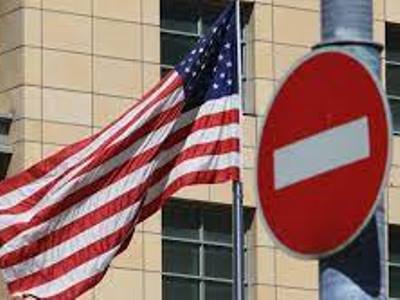
The Joe Biden administration likes to claim that Russia is internationally isolated because of the war in Ukraine. Still, Moscow's top officials have not become reclusive in the Kremlin and now the U.S. even wants to talk, writes AP.zz
President Vladimir Putin has been meeting with world leaders, including Turkish President Recep Tayyip Erdogan, whose country is a NATO member. Meanwhile, his top diplomat, Foreign Minister Sergey Lavrov, is jetting around the world, smiling, shaking hands and posing for photos with foreign leaders — including some friends of the U.S.
And on Wednesday, Secretary of State Anthony Blinken said he wants to end months of top-level U.S. diplomatic alienation with Lavrov to discuss the release of American prisoners as well as issues related to Ukraine. The conversation is expected in the coming days.
The handshakes and phone calls cast doubt on a key part of the U.S. strategy to end the war in Ukraine: diplomatic and economic isolation, along with failures on the battlefield, will eventually force Russia to send its troops home.
Even as Blinken announced his plans, he continued to insist that Russia was indeed isolated. He argued that the trip by Russian high-ranking officials was reparations and a response to Moscow's international criticism of the war in Ukraine.
U.S. officials say Russia is trying to strengthen the few alliances it has left, some of which are America's adversaries, such as Iran. But countries that are supposedly U.S. partners, such as Egypt and Uganda, are also warmly welcomed by high-ranking Russians.
And after arguing since February that there was no point in talking to Russia because Russia was not serious about diplomacy and could not be trusted, the U.S. admitted that it also needed to engage with Moscow.
The public address to Lavrov combined with the announcement of a “substantial proposal” to Russia to secure the release of detained Americans Paul Whelan and Brittney Griner took many by surprise.
The conversation between Blinken and Lavrov will be the first high-level contact between the U.S. and Russia since Feb. 15, and could set the stage for possible face-to-face talks, though administration officials say that is not planned.
The Kremlin appears to have reveled in the news that the U.S. is now seeking engagement and is likely to drag out the process of setting up the phone call in order to gain maximum advantage.
“They are going to drag this out and try to humiliate us as much as they can,” said Ian Kelly, a retired career diplomat who served as U.S. ambassador to Georgia in the Obama and Trump administrations. “I don’t think it goes along with (the administration’s) overall policy.”
Kelly said the call request is “counterproductive to our broader effort to isolate Russia.”
“Other countries will look at this and say, ’Why shouldn’t we deal with Lavrov or the Russians more broadly?’” he said.
Already, Western appeals to convince Asian, African and Middle Eastern countries to avoid Russia seem to have been ignored while Lavrov travels the world.
Still, Blinken downplayed the importance of Lavrov traveling the world. He said it was in response to the cold reception Russia has received because of Ukraine-related wheat and grain shortages.
“What I see is a desperate game of defense to try somehow to justify to the world the actions that Russia has taken,” Blinken said. “Somehow trying to justify what’s unjustifiable.”