make preferable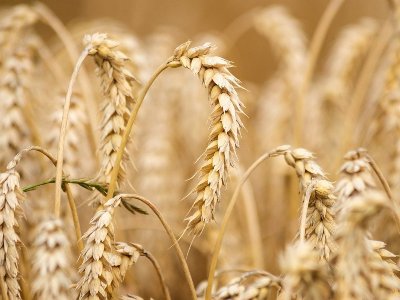
Prices of wheat, corn and other commodities that form the basis of much of the world's food supply fell sharply over the summer, the AP reported.
It's a welcome signal for consumers facing high food bills and investors hoping inflation will loosen its grip on the broader economy. Wheat prices are down about 40 percent, and corn prices have fallen about 25 percent since the spring.
It should help, it’s just a question of how long that is sustainable,” said Tom Martin, senior portfolio manager with Globalt Investments. “As we slow down, and the economy seems generally to be slower, you get less inflationary pressures.”
Sharp increases in food and energy prices have caused the highest inflation this year in four decades. Sustained demand, combined with tight supplies, has set the stage for rising inflation. The situation around Ukraine has made things worse as it has led to a halt in production and exports of wheat and other crops, as well as oil and natural gas.
Prices are now falling as supply and demand begin to even out amid the global economic downturn. Ukraine and Russia have reached an agreement on grain exports that will help further reduce the world's supply deficit. Ukraine exports about 10 percent of the world's wheat and corn.
The U.S. Department of Agriculture predicts increased wheat production this year and the possibility of a record soybean crop.
Falling commodity prices could also help large food producers, who face rising costs to produce products such as cereals and other packaged foods. Both Conagra and Mondelez have seen their profits fall over the past several quarters.
Investors are closely watching the drop in commodity prices, trying to determine the future path of inflation and whether the Federal Reserve will soften its aggressive interest rate hikes.
The U.S. economy contracted in the first half of 2022, but consumer spending remains strong and unemployment is at record lows.
The Fed has signaled that it intends to keep raising interest rates until it is convinced that inflation is beginning to cool. Wall Street is hoping that a sustained drop in commodity prices, from energy to food, will cause inflation to peak and begin to cool.