make preferable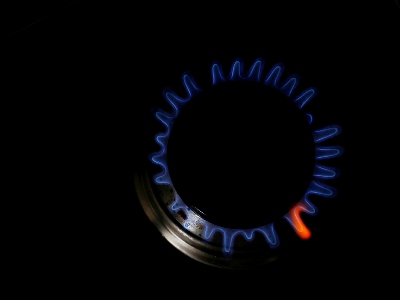
The European Commission plans to urgently prepare several different options for limiting natural gas prices in an effort to ease the energy crisis, but EU diplomats have warned that the timetable may not be realistic, Bloomberg writes.
The leaders intend to agree on specific plans during a meeting at a summit in Brussels. After a meeting of European heads of state in Prague, there is a growing consensus that measures are needed to combat rising energy prices, but there is still little specificity. Several countries have warned the EU that it needs to act quickly or the bloc's solidarity will be jeopardized as countries begin to go their own way.
European Commission President Ursula von der Leyen said earlier that she would use the letter sent to EU countries as a road map for proposals. Options include negotiating a decent price corridor with reliable suppliers, measures to curb prices in the overall market and a way to limit the impact of gas on electricity prices.
Several EU diplomats have warned that the timetable is extremely ambitious and that it will be very difficult for countries to coalesce around specific details by the next summit.
There are concerns that the restriction could limit Europe's ability to attract LNG from Asia and the U.S., a key reason the plans have been delayed so far.
According to a document reviewed by Bloomberg News, the most detailed plan for how the cap might work involves a corridor or range around the cap that would allow prices to fluctuate. The price range would be reviewed regularly to reflect the level of other key energy benchmarks, such as crude oil, coal and gas prices in North America and Asia.
According to the European Federation of Energy Traders, setting a price cap could exacerbate the energy crisis.
Other measures that are gaining momentum include a joint procurement platform that would seek to strengthen the negotiating position of member states that buy gas and ensure lower prices. Rising electricity prices also need to be addressed with proposals to cap the cost of gas used for power generation and a new benchmark linked to the cost of LNG in Asia.