make preferable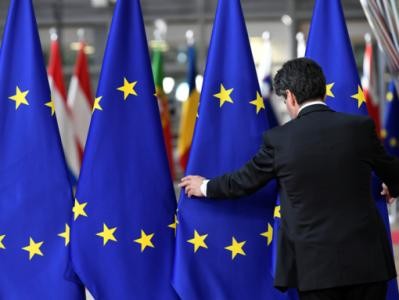
EU unity toward Russia is under threat because of political uncertainty in Bulgaria, Bloomberg reported.
After the fourth election in 18 months failed to produce a clear governing majority, the chances of a new government emerging soon are slim. This gave President Rumen Radev more power than his largely ceremonial status.
Radev rejected claims by his opponents that he was too friendly with Moscow. He has criticized EU sanctions against Russia and this month refused to sign a declaration supporting Ukraine's bid for NATO membership.
Until a government is formed, the interim cabinet appointed by Radev decides everything. Already criticized for renewing ties with Moscow, it represents a potential weak link that Putin could use to try to undermine Europe's resolve to support Ukraine.
“The president is inching toward the pro-Russian camp, which suggests an interim government would steer Bulgaria away from its pro-Western position,” said Capucine May, an analyst at risk intelligence company Verisk Maplecroft.
The current government appointed by Radev is defending the decision to resume negotiations with Russia's Gazprom to restore imports. This coincides with Radev's criticism that EU sanctions are hurting Europe's economy.
“When we impose sanctions, we need a very deep and comprehensive analysis so that they don’t hurt the European economy irreversibly,” he told reporters in Prague at an EU summit last week.
His stance echoed criticism from Hungarian Prime Minister Viktor Orban, who has made energy deals with Moscow and called for lifting sanctions against Russia to help curb inflation.
Hungary and Bulgaria are also the only EU countries that have officially refused military aid to Ukraine. Radev called sending weapons a dangerous step to involve Bulgaria in the war.
It is unlikely that Radev will be ousted as chief decision maker, an unusual situation in Bulgaria, where the president is head of state and commander-in-chief, but the prime minister takes most decisions with the support of lawmakers.
Failure to form a full-fledged government could trigger new early elections - the fifth in less than two years - although there is no guarantee that this would lead to a settlement.