make preferable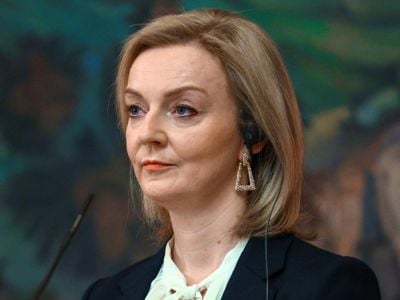
Liz Truss is being urged to abandon the "reckless" move of the British embassy from Tel Aviv to Jerusalem, writes the FT.
Foreign policy experts are calling on Truss to reconsider the decision to move the British embassy to Jerusalem, as fears are growing that the move could damage Britain's reputation and endanger security in the region.
In a meeting with Israeli Prime Minister Yair Lapid in New York last month, Truss confirmed that she would reconsider the current location of the British embassy, which could lead to Britain following the example of the United States, which moved its embassy to Jerusalem in 2018 during Donald Trump's administration.
Last summer during the Conservative leadership contest, Truss wrote a letter to Conservative friends of Israel, promising that if she won, she would "review a move to ensure we are operating on the strongest footing with Israel." The letter, along with notes to Lapid, alarmed the diplomatic community.
Britain's current position is that Jerusalem should be the shared capital of Israel and Palestine, subject to a negotiated settlement. Relocating the embassy would be a de facto recognition that the city is the capital of Israel alone.
Except for the United States, only Kosovo, Honduras and Guatemala have stationed their embassies in Jerusalem.
Former Foreign Secretary Sir Alan Duncan, who held the post from 2016 to 2019, warned that moving the embassy would be "reckless and unprincipled” and would “mark a fundamental shift in UK foreign policy." "If pursued to its conclusion, moving the embassy would destroy the UK’s reputation for respecting international law, and it would undermine our standing in the world.”
Meanwhile, Alistair Burt, a former foreign secretary and deputy parliamentary secretary at the ministry, argued that the move would violate UN Security Council resolutions on Israel and Palestine, which Britain has supported in the past.
"We urge other countries to work multilaterally and uphold their international commitments, and we would not want to be seen to be walking back on ours,” he said.
Sir Simon Fraser, a former diplomat, argued that the move could signal a "weakening" of Britain's commitment to the two-state solution.
Others warned that the decision could have additional negative consequences for Britain. Sir Vincent Fean, former British consul general in Jerusalem, said the move would "antagonise the Arab and Muslim world, for no valid reason" and jeopardize the trade deal between Britain and the Gulf Cooperation Council. The government hopes that the deal will generate more than 1.6 billion pounds a year for the British economy.
Vian added that the move could also have serious security implications, noting that more than 50 Palestinians have died as a result of the U.S. embassy relocation. "Jerusalem is a tinderbox. Ms Truss should extinguish her match.”
The Labor Party and the Liberal Democrats oppose the embassy relocation. Cardinal Vincent Nichols, Archbishop of Westminster, and Justin Welby, Archbishop of Canterbury, have called on the government to "reconsider" the move.
Anxiety reigns in the Conservative Party as well. Former party leader William Hague warned against any such move, arguing that it would "align Britain in foreign affairs with Donald Trump.”
A high-ranking MP, who called the prospect of such a move "madness," said MPs were concerned about how the move would be perceived by Muslim voters and the broader impact on British foreign policy interests and regional stability. Another prominent party figure warned that the move would "send jitters around the world.”