make preferable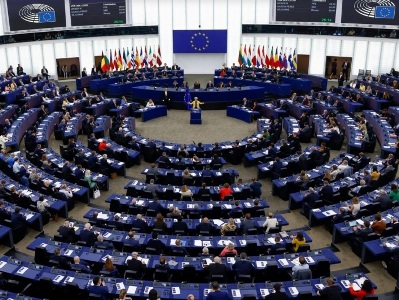
The issue of the "corridor" between Armenia and Azerbaijan became the topic of a heated debate in the European Parliament today. Passions flared up when the members of the Committee on Foreign Relations asked the representative of the European External Action Service, what Brussels thinks about this demand of Azerbaijan. The high-ranking diplomat avoided answering directly, Azatutyun radio station reported.
According to the politician Brussels does not give an opinion on the corridor, it makes efforts to promote a dialogue between the parties to sign a peace treaty. And these issues should be discussed by the parties, he said.
This answer of a high-ranking Foreign Ministry diplomat did not satisfy those present. The deputies, however, reacted even more violently to the words of the EU government representative, Bella Nesterova. When asked about Brussels' attitude towards Azerbaijan's demands, the European Commission representative said she did not know what corridor was being discussed.
Slovenian-elect Klemen Groselj said he was taken aback to hear the External Affairs Service say they do not know which corridorwas being discussed. This is one of the biggest geopolitical issues, this could be the cause of the next big war, he said.
Deputies have been discussing drafts of new reports on Armenia and Azerbaijan since morning.
The document on Azerbaijan notes that Baku is a strategic partner of the European Union, which has pledged to increase fuel supplies in terms of finding new markets.
According to the report, Azerbaijan remains a strategic economic partner of the European Union. EU and Azerbaijan are close to signing a comprehensive agreement that will further improve their economic cooperation. The memorandum, which was signed between European Commission President von der Leyen and Azerbaijan in July this year, gives the opportunity to diversify the energy resources and reduce fuel prices.
Speaking in detail about programs on deepening economic relations with Baku, author of the document Zeljana Zovko spoke in few words about human rights violations and freedom of speech in this country, once again causing outrage and bewilderment of the audience.
MP Isabel Santos said EU cannot for the sake of gas tolerate the atrocities committed in that country, calling for those issues to be raised more clearly.
EU should not follow the example of the head of the European Commission, von der Leyen, who signed a memorandum with the dictator Aliyev, shook his hand without meeting the civil society of Azerbaijan. Today EU supports Ukraine because their values are on the altar, and they must be paramount also in case of Armenia, the deputies said, urging the EU officials to act instead of words.
Czech MP Marketa Gregorova stressed that Brussels should set clear preconditions for Azerbaijan before deepening relations. She said EU must not lie to itself: President Aliyev is not much different from President Putin, and the deepening of their relations should happen only after real, actual changes, which they have not seen so far.
Despite the calls of MPs and criticism addressed to the Head of European Commission Ursula von der Leyen, the representative of this structure Bella Nesterova did not say a word about human rights violations in Azerbaijan. Instead, she stressed that the European Union is working to support the parties in humanitarian issues and is the largest donor to Azerbaijan in the matter of demining.
The Spanish MP Nacho Sanchez Amor was indignant saying he couldn't believe that a representative of the European Commission came there and didn't say a word about human rights.... He noted that there were people in that country who had been deported, deprived of citizenship. The MP said he understands the energy needs, but they are talking about international obligations and a gross violation of agreements.
In its reports on both Armenia and Azerbaijan the European Parliament criticizes the passive position of the European Union during and after the 44-day war, stressing that this allowed Russia and Turkey to further strengthen their influence in the South Caucasus. At the same time, the deputies applaud European Council President Charles Michel's efforts to facilitate dialogue between the sides, urging the leaders of Armenia and Azerbaijan to participate fully in discussions around a peace treaty.
The efforts of President Michel, President Macron, and the meetings between the heads of Armenia and Azerbaijan send serious signals that they are also trying to bring these countries back from Russian influence, said Zeljana Zovko, rapporteur on Azerbaijan.
The final texts of the reports are to be discussed and adopted in January at a plenary session of the European Parliament. However, they are not binding.
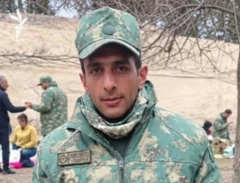
As the co-rapporteur on Armenia reminded today, a special report on the release of Armenian prisoners of war was adopted in the same hall more than a year ago, but they still remain in prisons in Azerbaijan.