make preferable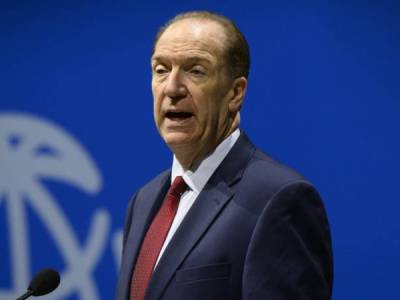
Debt levels among low- and middle-income countries rose sharply in 2021, with China accounting for 66 percent of lending to official bilateral creditors, World Bank President David Malpass said, stressing the need to reduce the debt of poorer countries.
The World Bank's annual report on global debt statistics, due out next month, makes clear that private-sector lenders must also be involved in debt reduction, Malpass told Reuters.
The Group of 20 major economies and the Paris Club of Official Creditors created a common debt resolution framework in late 2020 to help countries weather the effects of the COVID-19 pandemic, but implementation is stalled.
Chad's creditors reached their first agreement under the framework this week, but it leaves the country's long-term debt sustainability in question because it does not include actual debt reduction, Malpass warned.
The World Bank, the International Monetary Fund and Western officials have grown increasingly vocal about their displeasure with China, which is now the world's largest official bilateral creditor.
Preliminary data released by the World Bank in June showed that the external debt of low- and middle-income countries rose by an average of 6.9 percent in 2021 to $9.3 trillion, ahead of the 5.3 percent growth seen in 2020.
Malpass said the bank's upcoming report on international debt statistics is troubling, but did not provide specific numbers.
IMF and World Bank officials say that 25 percent of emerging market and developing countries are in or close to debt distress, and the figure rises to 60 percent in low- and middle-income countries. Climate shocks, rising interest rates and inflation have added pressure to an economy that is still recovering from COVID.