make preferable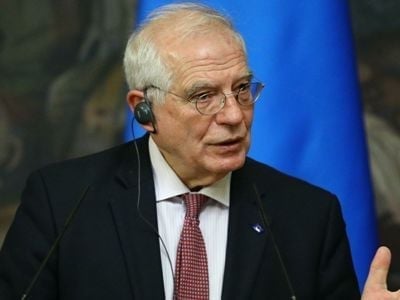
European Union countries must work together to replenish their military stocks and avoid competition with each other amid continued arms supplies to Ukraine, EU diplomatic chief Josep Borrell said.
The EU has long urged member states to join forces to buy weapons rather than raise prices by competing with each other or making individual deals with suppliers outside the bloc. But countries have been reluctant to heed the advice.
“All together makes better prices, better quality and better time,” EU foreign policy chief Josep Borrell told reporters as he arrived for a meeting of the bloc’s defence ministers in Brussels.
The 27 member states intend to increase military budgets by as much as 70 billion euros by 2025, but a lack of cooperation in projects and procurement risks undermining efforts to build a cohesive force, the European Defense Agency (EDA) said in its annual ministerial review.
It identified several critical gaps that EU countries must work together to address, such as long-range air transport, aircraft carriers and refuelers to fuel warships and high-end air defense systems.
According to the EDA, only 18 percent of all investments in defense programs involve cooperation among member states, and investments in European projects are often considered more labor-intensive and complex.
Established in 2004, the EDA's main mission is to support and promote defense cooperation in Europe.