make preferable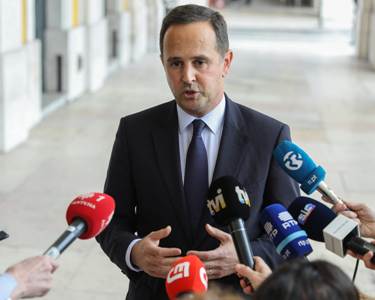
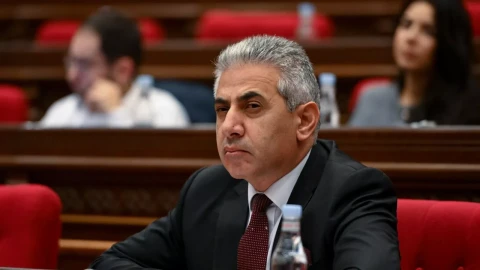
EU states should work faster and with more determination to reach an agreement on interventions in energy markets and support consumers and businesses affected by cuts in Russian gas supplies, said the head of the Ministry of Finance of Portugal Fernando Medina.
According to him, the intervention may take the form of subsidies or price caps, but should be implemented as soon as possible, because domestic policy can not go so far in mitigating the effects of the energy crisis.
He rejected suggestions that a scheme called the Iberian mechanism, which involves limiting the price of gas used to generate electricity in Spain and Portugal and whose broader distribution has been discussed in the European Union, has led to an increase in fuel consumption. He called it a good model and said the short-term increase in gas use was only due to a local shortage of hydroelectric power due to the drought.
The EU is struggling with high energy prices, causing inflation and increasing the risk of recession. European energy ministers will meet again on Nov. 24 for another round of discussions on energy market interventions, which are likely to include an alternative price benchmark for liquefied natural gas (LNG) and voluntary joint gas purchases.
EU countries, including France, Spain and Italy, want to introduce a gas price ceiling similar to the Iberian mechanism, which EU officials have suggested could be financed through joint loans, similar to the SURE bloc scheme that protected jobs during the COVID-19 pandemic.
But Germany, Denmark and the Netherlands oppose the price cap, citing concerns about security of supply as well as co-borrowing.
Medina said progress has been made on financing.
He welcomed the proposal by Spain, France and Portugal to build an underwater pipeline between Barcelona and Marseille in the long term.