make preferable
The U.S. has prioritized helping Ukraine improve its combat techniques, relying less on artillery salvos and more on how troops maneuver on the battlefield, as concerns grow about Western nations' ability to resupply ammunition, Politico wrote.
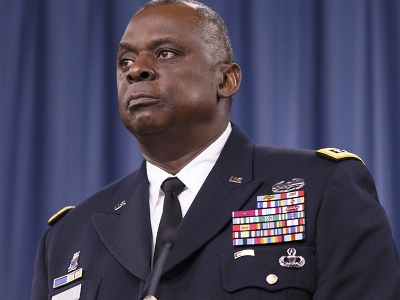
U.S. Defense Secretary Lloyd Austin, after meeting with other NATO leaders in Brussels, referred to growing concerns in Washington and elsewhere about stockpiles in a conversation with Juranlists. According to the Pentagon chief, Ukraine has been using a lot of artillery ammunition. "We're going to do everything we can working with our international partners to ensure that we give them as much ammunition as quickly as possible, and that we will do everything we can to sustain our efforts there as well," he said.
While the U.S. and Europe are looking at ways to increase shell production to replenish their own stockpiles and provide Ukraine for warm-weather offensive operations, they are also looking at ongoing training events in England and Germany to change the way Ukrainian troops operate on the battlefield. In part, this means finding ways to fight off Russia without expending too much ammunition.
Britain, which has already trained 10,000 Ukrainian soldiers in infantry tactics, has promised to train another 20,000 this year with help from Norway, the Netherlands and other NATO instructors on the ground.
At Tuesday's meeting of the Ukraine Defense Contracts Group (a meeting of defense chiefs from more than 50 countries) in Brussels, there was some movement on the artillery issue.
France and Australia agreed to work together to produce more 155mm ammunition, which is the backbone of Ukraine's recently acquired Western artillery arsenal.
Over the past year, the U.S. has also worked hard to increase its own production of 155mm shells, as Ukraine continues to produce thousands of rounds a day, burning more than a million 155mm rounds sent by the U.S. and allies.
The U.S. Army has pledged to triple its monthly shell production from its prewar level of about 14,000 a month to 90,000 a month by 2025.
The ammunition reduction is not limited to barrel artillery. At recent meetings at the Pentagon, U.S. officials informed Kiev officials that they did not have enough army tactical missile systems in stockpiles to supply the Ukrainian military, the publication reported Monday.
The transfer of the ATACMS solid-fuel ground-to-ground tactical ballistic missile, which would more than double the range of current Ukrainian rocket artillery, would reduce U.S. supplies and damage the readiness of U.S. armed forces for future combat, the Pentagon told them.
Politico: US intends to train Ukrainian troops to use less ammunition