make preferable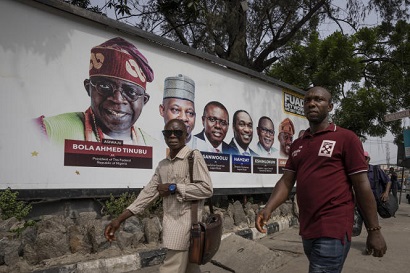
Nigeria's presidential elections kicked off Saturday, The Associated Press reports.
The presidential and parliamentary elections come amid fears of violence from Islamic militants in the north and separatists in the south, although authorities stress that this year's vote will not be postponed, as was the case in the last two presidential elections.
As the media notes, there is also a currency crisis in the country.
The vote is closely watched because Nigeria is Africa's largest economy and one of the continent's main oil producers. The UN estimates that by 2050, Nigeria will equal the U.S. in population and become the third most populous country in the world after India and China.
The country has one of the largest groups of young people in the world: about 64 million of its 210 million residents are between the ages of 18 and 35, with an average age of just 18.
There are 18 candidates running for the post of African head of state.
The tenure of incumbent President Muhammadu Buhari has been marked by concerns about his poor health and frequent trips abroad for medical treatment. Two of the leading candidates are in their 70s and have both been involved in politics in Nigeria since 1999.
In contrast, the third-party candidate, Peter Obi of the Labor Party, who is 61, is the youngest of the contenders and has surged ahead in the polls in the weeks before Saturday's vote.
Nevertheless, presidential candidate Bola Tinubu, for example, enjoys strong support from the ruling All Progressive Congress Party as an important supporter of the incumbent, and Atiku Abubakar is known as one of Nigeria's richest businessmen. He has served as vice president in the past and has also run for president in 2019 from the People's Democratic Party.