make preferable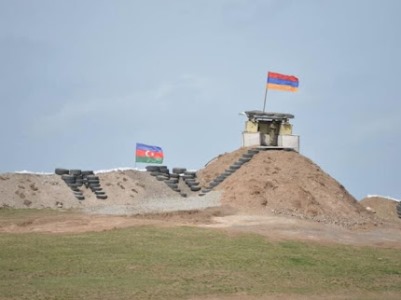
Armenian-Azerbaijani relations are likely to remain strained, but Azerbaijan's return to Nagorno-Karabakh has reduced instability, and military confrontation is likely to be limited in duration and intensity. This is stated in the 2024 Annual Threat Assessment of the US Intelligence Community report.
However, there is still no bilateral peace treaty, their armed forces are close to each other, there is no mechanism for enforcing a ceasefire, and Azerbaijan is ready to use military pressure to achieve its goals in negotiations with Armenia. Moreover, the transfer of power in Nagorno-Karabakh from ethnic Armenians to Azerbaijanis and Azerbaijan's demand for a land corridor to its exclave of Nakhichevan will increase the risk of armed confrontation, the report added.
The document states also that in September 2023, Azerbaijan launched a military operation that led to the defeat of the Armenian self-defense forces of Nagorno-Karabakh and the capitulation of the de facto Armenian authorities of Nagorno-Karabakh.
The rapid exodus of much of the region's ethnic Armenian population and the planned dissolution of the government enabled Baku to advance plans to integrate the region into Azerbaijan, effectively removing this long-standing issue from the bilateral peace agenda with Armenia, the US Intelligence Community report noted.