make preferable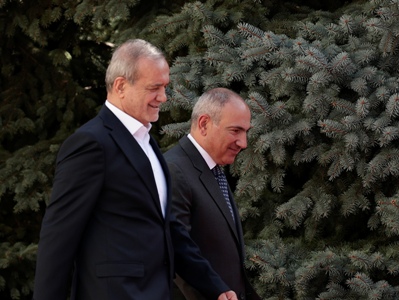
Armenia and Azerbaijan signed a 17-point declaration this month with US President Donald Trump aimed at ending decades of conflict between the two neighbors over the region of Nagorno-Karabakh, a largely Armenian-populated territory now within Azerbaijan, Bloomberg reports.
Separately, representatives from Iran and Armenia signed a series of agreements in transport and logistics, as well as revised freight rates, underscoring their wish to deepen economic integration. The two countries have agreed to build a second bridge over the Arax River and modernize their current border terminals.
Armenia and Azerbaijan have fought separate wars that have killed more than 30,000 people in the early 1990s and at least 6,000 during a 44-day conflict in 2020. In September 2023, Azerbaijan took full control of Nagorno-Karabakh in a lightning military operation, forcing more than 100,000 Armenians to flee to Armenia.
Although the text of the declaration signed in Washington does not have the legal force of a treaty, it obligates both sides to recognize each other’s sovereignty and borders, renounce future territorial claims, and prohibits the presence of third parties along their shared border.
During the US-backed negotiations, the “Zangezur Corridor” was renamed the “Trump Route for International Peace and Prosperity” (TRIPP) and is to be overseen by a yet-to-be-selected private company. It will connect the main territory of Azerbaijan to its Nakhichevan exclave bordering Turkey, and passing through southern Armenia.
Although Iran’s foreign ministry has generally welcomed this Washington agreement, an aide to Supreme Leader Ayatollah Ali Khamenei has slammed this proposed transit route, saying the US will have exclusive rights to develop it.
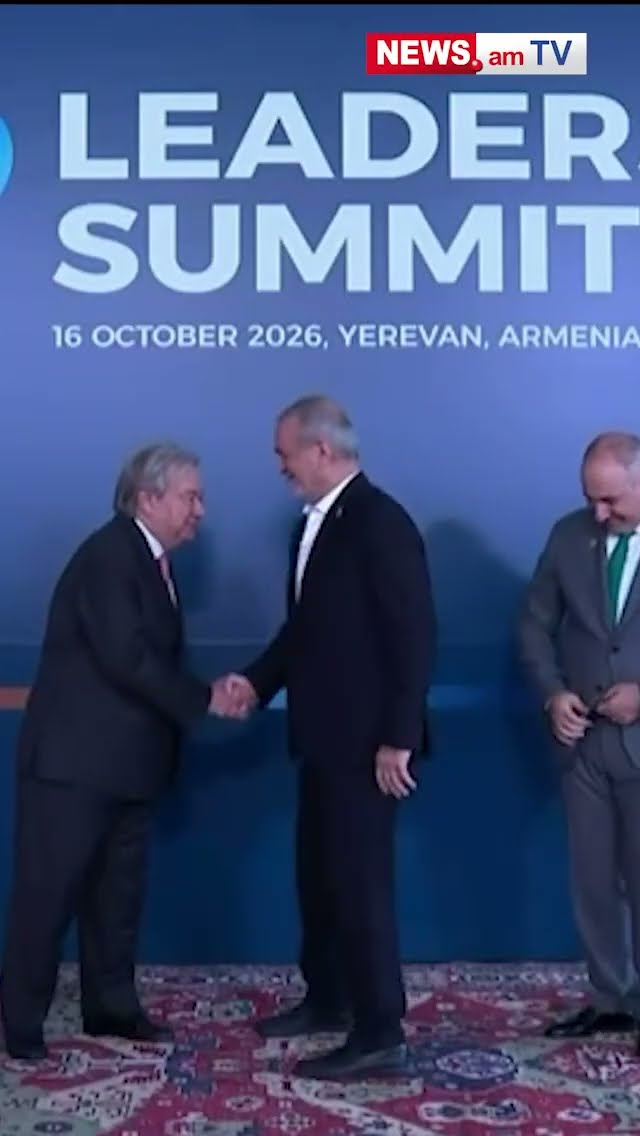
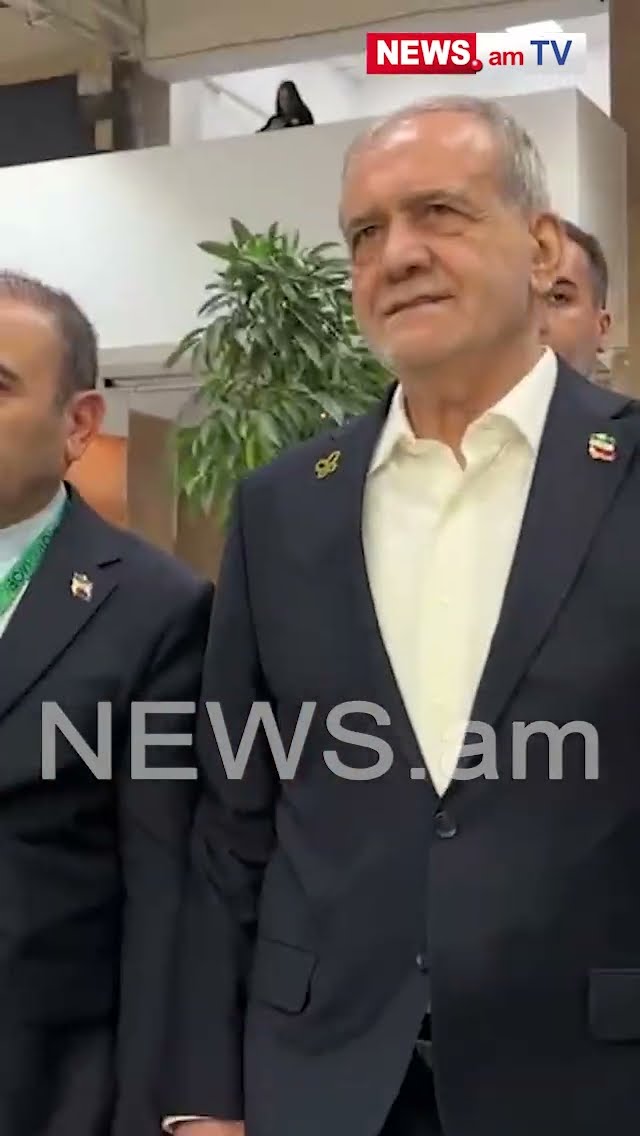
During his visit to Yerevan, the Iranian president reiterated that leadership in the region should belong to the Caucasus countries, and that leaving regional issues to external forces would only complicate the situation.
Tehran has been opposed to the aforesaid route even when the negotiations were brokered by Russia.
Russia has cautiously welcomed this Trump-brokered transport agreement, reminding Armenia of its obligations under the Eurasian Economic Union. At present, Russian border guards and Armenian troops are together patrolling the Armenian-Iranian border.