make preferable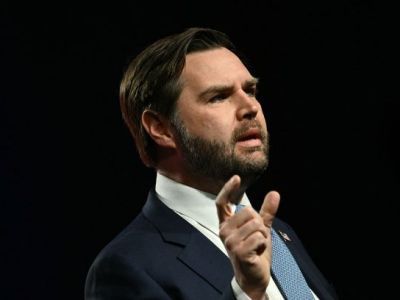
During a U.S. Marine Corps training exercise in California, an artillery shell exploded, injuring security personnel from the motorcade of the U.S. Vice President. The Daily Beast reported the incident.
The accident occurred at Camp Pendleton military base in California during a live-fire demonstration marking the 250th anniversary of the U.S. Marine Corps.
One of the 155mm shells fired from an M777 howitzer detonated prematurely over Interstate 5 — the main highway connecting Los Angeles and San Diego.
Fragments from the shell damaged a motorcycle in the Vice President’s security convoy and a highway patrol vehicle. None of the participants sustained serious injuries, but the incident caused alarm among those present.
Highway Patrol Chief Tony Coronado noted that “it is extremely rare for live-fire or explosives training to be conducted near active highways.”
Before the start of the event, a section of the interstate had been temporarily closed, prompting frustration among drivers. The demonstration included artillery salvos, parachute jumps, an F-35 fighter jet flyover, and a landing exercise by Navy SEAL units.
The Vice President personally attended the event and later told reporters that the show was “a testament to the strength and indomitable spirit of the Corps.” He added that the meeting with the Marines had left a strong impression on him.
However, representatives of the Democratic Party criticized the incident. California Governor Gavin Newsom called the live-fire display “a senseless show of force,” writing on the social platform X: “Donald Trump and J...”
Following the explosion, the Marine Corps immediately halted the firing exercise and launched an internal investigation.
In an official statement, the 1st Expeditionary Force said that “all activities were conducted after thorough safety assessments,” and experts are now working to determine the exact cause of the premature detonation.
Although officials from the Trump administration claimed that such drills are standard practice, the military has not clarified whether previous live-fire exercises were ever conducted near busy highways.