make preferable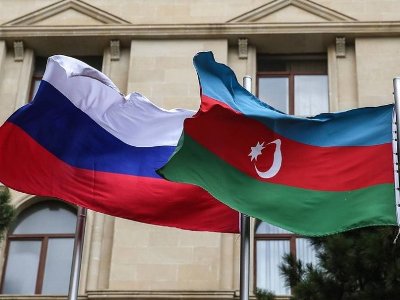
Russia’s spy agencies and Western security services are engaged in a secret struggle to gain custody of a Russian operative suspected of coordinating attacks in Europe last year that caused air cargo packages to burst into flames, according to security officials and investigators from five Western countries, reports The Washington Post.
According to the officials, at the center of this struggle is Yaroslav Mikhaylov, a Russian citizen suspected of helping develop the explosive devices used in the plot, directing the operation from Europe, and using a fake passport to flee to Azerbaijan.
According to Western security officials, given his importance to the Kremlin, the heads of all three Russian intelligence services—the Federal Security Service (FSB), the Foreign Intelligence Service (SVR), and the Main Intelligence Directorate (GRU)—have been directly engaged in pressuring Azerbaijan to return Mikhaylov to Russia rather than comply with Poland’s extradition request.
In turn, Poland, the United Kingdom, Ukraine, and Lithuania have pressured the government in Baku to prevent Mikhaylov’s return to Russia, the officials said. The article is based on interviews with more than two dozen Western security officials, as well as investigative documents obtained by The Washington Post.
This includes Poland’s confidential request to Interpol for Mikhaylov’s arrest, which he allegedly carried out “under the direction of the secret intelligence services of the Russian Federation.”
The officials spoke on condition of anonymity in order to discuss classified intelligence. Kremlin spokesman Dmitry Peskov declined to respond directly to The Post’s questions, stating: “We have nothing to comment on.” Mikhaylov has previously faced criminal charges for smuggling in Russia.
Attempts to contact him have been unsuccessful. The extent of Russia's alleged dependence on Mikhaylov, 37, in securing the land and efforts to remove him from Azerbaijan has not been previously reported. Officials reported that Azerbaijan has rejected the competing charges against Mikhaylov.
He spent much of last year in limbo—without being formally detained, but under supervision and not allowed to leave Azerbaijan, officials said. According to the officials, Mikhaylov was tasked with developing the plot and sent detailed messages to Russia describing the sizes and materials he believed were necessary for the devices to go unnoticed.