make preferable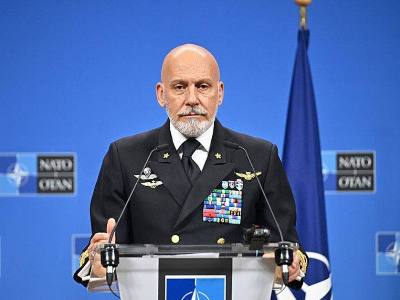
NATO is considering a “preemptive strike” against Russia in response to hybrid attacks, according to chair of the NATO Military Committee, Admiral Giuseppe Cavo Dragone.
They are discussing a more aggressive and proactive approach, rather than just reacting, Dragone added, speaking to the Financial Times (FT).
He noted that a preemptive strike could be considered a defensive action, but it falls outside our mindset and behavior.
The NATO military chief emphasized that the main challenge in carrying out such measures is issues of jurisdiction and who is responsible for their implementation.
Currently, NATO countries have far more restrictions than its adversaries due to ethics, law, and jurisdiction, Dragone acknowledged.
He added, however, that the alliance still needs to find ways to respond to Russia's “aggressive actions.”
They must thoroughly analyze how deterrence is implemented—through responsive actions or preemptive strikes, the NATO military committee chief concluded.
At the same time, as FT notes, NATO has a positive example of deterring Russia. Until 2024, several submarine cables in the Baltic Sea were damaged, but such incidents ceased after the launch of NATO's “Baltic Sentry” mission.
Meanwhile, against the backdrop of sabotage and drone-related incidents, EU countries have begun considering counterstrikes against Russia, particularly concerning offensive cyber operations and sudden military exercises, Politico sources said.
Also, a NATO source for Politico emphasized that the alliance is a defensive organization and views offensive actions with caution.
Asymmetric responses are an important part of the discussion. Undoubtedly, more effort is needed in hybrid operations, another NATO source for Politico stressed.