make preferable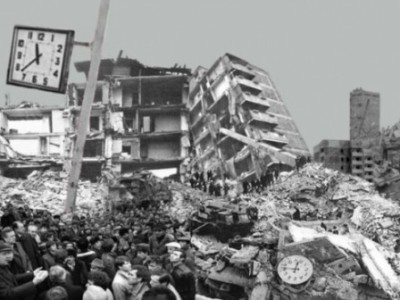
One of the most brutal tragedies in Armenia’s modern history occurred 37 years ago today, on December 7, 1988. At 11:41 a.m. local time that day, the northern regions of the Armenian SSR were shaken by a devastating earthquake, which was named the Spitak Earthquake after its epicenter.
More than 25,000 lives were cut short, tens of thousands were injured, and hundreds of thousands of people were left homeless. The village of Nalband, located directly at the epicenter, and the nearby town of Spitak were leveled to the ground. The second- and third-largest cities of Armenia, Leninakan (Gyumri) and Kirovakan (Vanadzor), suffered severely.
High-rise buildings were almost completely destroyed, and this was one of the causes of the large number of casualties. Another reason was that the devastating earthquake, which exceeded magnitude 7, lasted half a minute. The earthquake was felt in the capital Yerevan and Georgian capital Tbilisi as well, and was recorded by seismic stations around the world.
Tens of thousands of people were trapped under the rubble. Factories and plants, schools and hospitals were destroyed, and infrastructure was damaged. All Soviet republics and foreign states rushed to help Armenia, which had been struck by disaster.
Tragically, eliminating the consequences of the earthquake cost the lives of two aircraft crews: the crews of the Soviet and Yugoslav planes bringing humanitarian aid were killed. Several thousand soldiers and officers of the Soviet army took part in clearing the debris. The catastrophic tragedy prompted the idea of a special unit, which was later created within the Ministry of Emergency Situations.
An active reconstruction program for the affected regions began, but it was interrupted by the collapse of the USSR. Thirty-seven years later, most of the people who became homeless have been provided with housing. However, in Shirak and Lori Provinces, there are still families who continue to survive in huts and temporary shelters.