make preferable
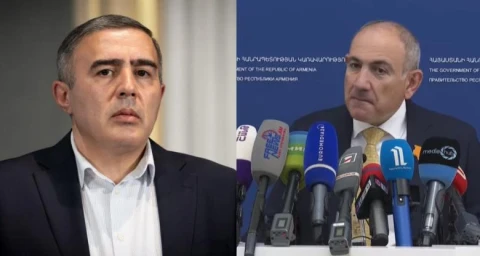
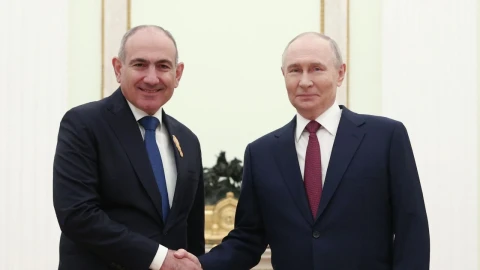
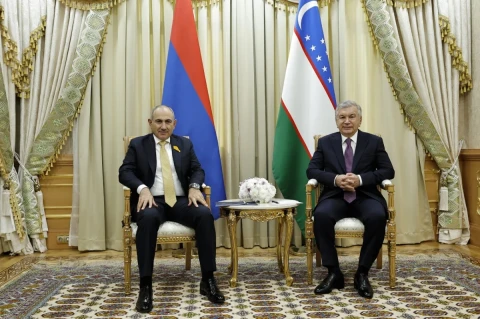
Armenia is facing its gravest church-state clash since gaining independence, as tensions continue to grow between Prime Minister Nikol Pashinyan and Catholicos Karekin II, the supreme head of the Armenian Apostolic Church, writes Radio Free Europe/Radio Liberty (RFE/RL).
The dispute has led to arrests, public accusations, and competing narratives about Armenia's identity, governance, geopolitical orientation — and whether or not the prime minister respects the country's constitution.
The standoff could reshape Armenia’s political landscape and relations with its diaspora ahead of parliamentary elections next year.
The standoff between church and state comes at a sensitive time for Armenia, with the country heading toward parliamentary elections in June.
Critics of the government's actions say that the arrests of clergy and investigations into the church violate the constitutional separation of church and state.
Another sensitivity is Armenia's peace agreement with Azerbaijan. While the presidents of both countries initialed the draft peace deal in August, the full treaty has not yet been formally signed or ratified.
The prime minister, however, has not let off the pressure, recently confirming that he ordered the National Security Service to censor church services by instructing priests not to mention Karekin II’s name during liturgies.