make preferable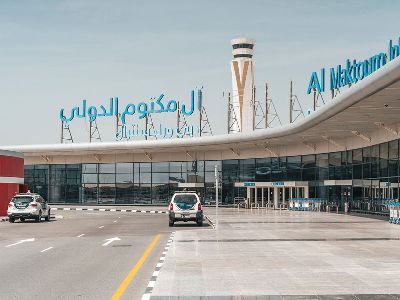
Military operations in the Middle East continue, escalating tensions in the region and causing international concern. Military strikes and retaliation by both sides—the US and Israel on one side, and Iran on the other—continue to affect not only the countries of the region, but also the global economic situation.
Armenia News-NEWS.am presents below a brief overview of the respective main events that took place in the Middle East on Sunday night
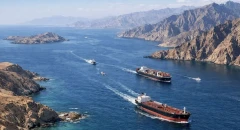
US President Donald Trump expressed hope that “China, France, Japan, South Korea, the UK, and others, that are affected by this artificial constraint” will send warships to the Strait of Hormuz.
Trump also questioned the survival of Iran’s new Supreme Leader Mojtaba Khamenei, but described the information about his death as reports.
The elite unit of the Iranian armed forces, the Islamic Revolutionary Guard Corps (IRGC), said the US had failed in its attempts to build a regional and international coalition against Iran, and that Iran would determine the terms of the conflict and the timeline of the cessation of hostilities.
Flights at Dubai International Airport were temporarily suspended, according to a statement posted on X by the Dubai government’s press service.
Dubai Civil Aviation Authority explained the suspension of flights as a precautionary measure to ensure the safety of all passengers and crew.
French President Emmanuel Macron announced on X that he had had a telephone conversation with his Iranian counterpart, Masoud Pezeshkian.
He called on the Islamic Republic to “to put an immediate end to the unacceptable attacks Iran is carrying out against countries in the region” that it is carrying out “whether directly or through proxies, including in Lebanon and Iraq,” and stated that “Freedom of navigation in the Strait of Hormuz must be restored as soon as possible.