make preferable
Military operations in the Middle East continue, escalating tensions in the region and causing concern among the international community. Military strikes and retaliation by both sides—the US and Israel on one side, and Iran on the other—continue to affect not only the countries of the region, but also the global economic situation.
Armenian News-NEWS.am presents below a brief overview of the main events that took place in the Middle East on Thursday night
US President Donald Trump has announced that he will not send American troops to Iran “No, I’m not putting troops anywhere,” he told reporters when asked. “If I were, I certainly wouldn’t tell you, but I’m not putting troops.”
Israeli Prime Minister Benjamin Netanyahu announced that as a result of the Israeli and US strikes, Iran is no longer able to enrich uranium and produce ballistic missiles.
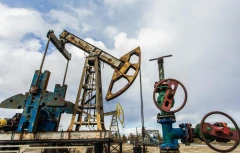
Iran’s attacks on Qatar must stop immediately, Qatari Prime Minister Mohammed bin Abdulrahman Al Thani said. In his words, Wednesday’s attack on oil facilities in Ras Laffan was a very dangerous escalation.
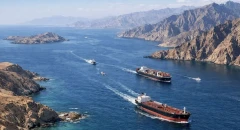
The International Maritime Organization, a UN body, has called for creating a safe passage in the Persian Gulf to evacuate ships and sailors stranded there. The European Council said it “strongly condemns” Iran’s “indiscriminate military strikes against countries in the region and expresses its solidarity with countries affected.”
In a statement issued on behalf of EU leaders, the council reaffirmed the need to protect regional airspace and ensure the safety of navigation, and pledged to help de-escalate tensions. NBC, citing informed sources, reported that the US will send several thousand more sailors and marines to the Middle East in the coming days.
According to the report, the 11th Marine Expeditionary Force, a unit of at least 2,200 Marines, is expected to deploy from San Diego to the Middle East in the coming days.